
Blog
Why Site Preparation Is Essential for Improving Outdoor Access Around Your Home
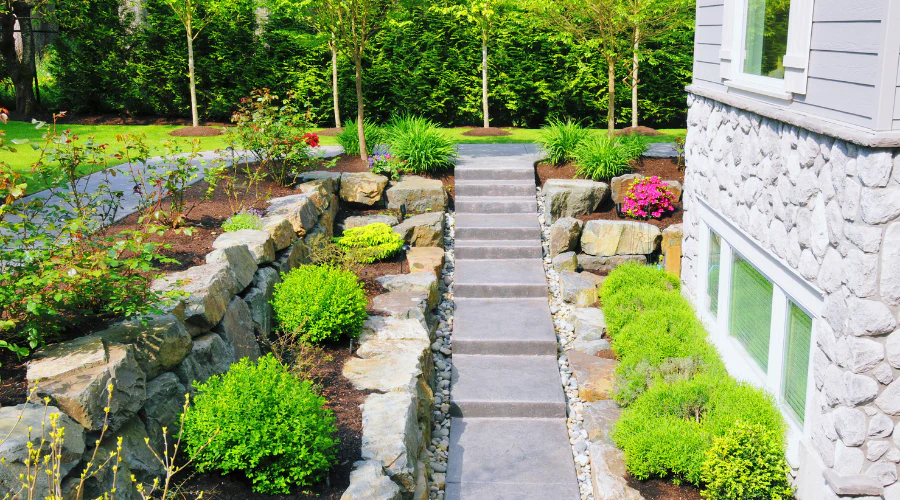
Why Outdoor Access Is Often Overlooked
Outdoor access paths—between gates, side yards, entrances, and backyard areas—are used daily, yet rarely designed for long-term durability. Without proper preparation, these routes become muddy, uneven, and difficult to use.
Site preparation ensures outdoor access improvements are built on stable ground that supports consistent, safe movement.
Common Problems With Poor Outdoor Access
When access routes aren’t prepared correctly, issues appear quickly.
Common problems include:
- Uneven walking surfaces
- Muddy paths after rain
- Compacted soil that won’t recover
- Worn grass along common routes
- Drainage issues near access points
These problems reduce usability and safety.
Creating Stable Foundations for Access Routes
Outdoor access routes experience frequent foot traffic. Site prep creates stable conditions that prevent shifting and erosion.
Preparation focuses on:
- Removing unstable soil
- Compacting base layers
- Establishing consistent elevations
Stable foundations keep access routes reliable.
Using Grading to Improve Safety and Drainage
Grading plays a key role in outdoor access. Site prep shapes the land so water flows away from walking routes instead of collecting on them.
Proper grading helps:
- Reduce slip hazards
- Prevent pooling
- Maintain dry surfaces
Safe access depends on proper water management.
Preparing Soil for High-Traffic Areas
Access routes are high-use zones. Site prep improves soil conditions so these areas can handle repeated use.
Soil preparation improves:
- Load-bearing capacity
- Drainage performance
- Long-term durability
Healthy soil supports reliable access.
Planning Access Routes That Make Sense
Site prep considers how people naturally move around the property. Routes are planned to support daily routines without cutting through landscaping.
Thoughtful access planning:
- Reduces wear on lawns
- Protects planting beds
- Improves flow
Predictable routes improve usability.
Preventing Damage During Construction
Improving outdoor access often requires equipment and material delivery. Site prep establishes staging areas and routes that protect the rest of the yard.
Construction planning:
- Reduces landscape damage
- Improves efficiency
- Keeps the site organized
Preparation minimizes disruption.
Supporting Long-Term Maintenance and Use
Outdoor access routes should remain usable year-round. Site prep ensures they don’t degrade with weather or traffic.
Long-term benefits include:
- Less erosion
- Fewer repairs
- Consistent usability
Durability supports everyday use.
Blending Access Improvements With Landscape Design
Access routes shouldn’t look like afterthoughts. Professional site prep integrates them seamlessly into the landscape.
Integrated design:
- Maintains visual flow
- Enhances curb appeal
- Keeps spaces cohesive
Function and appearance align.
Why Professional Site Prep Makes the Difference
Outdoor access improvements require careful planning and precision. Professional site prep ensures grading, soil, and layout are handled correctly.
Professional services provide:
- Accurate site evaluation
- Proper equipment and techniques
- Long-term performance
Experience ensures access routes last.

Is Outdoor Access Limiting Your Yard’s Usability?
If walking routes around your home are muddy, uneven, or unsafe, site preparation may be the missing solution. With proper prep, outdoor access improvements become durable, safe, and easy to use.
Contact Twelve Point Landscaping today to schedule a free estimate and explore professional site preparation services designed to improve outdoor access throughout your property.



find us on


