
Blog
Why Site Preparation After Demolition Determines the Success of Your Landscape
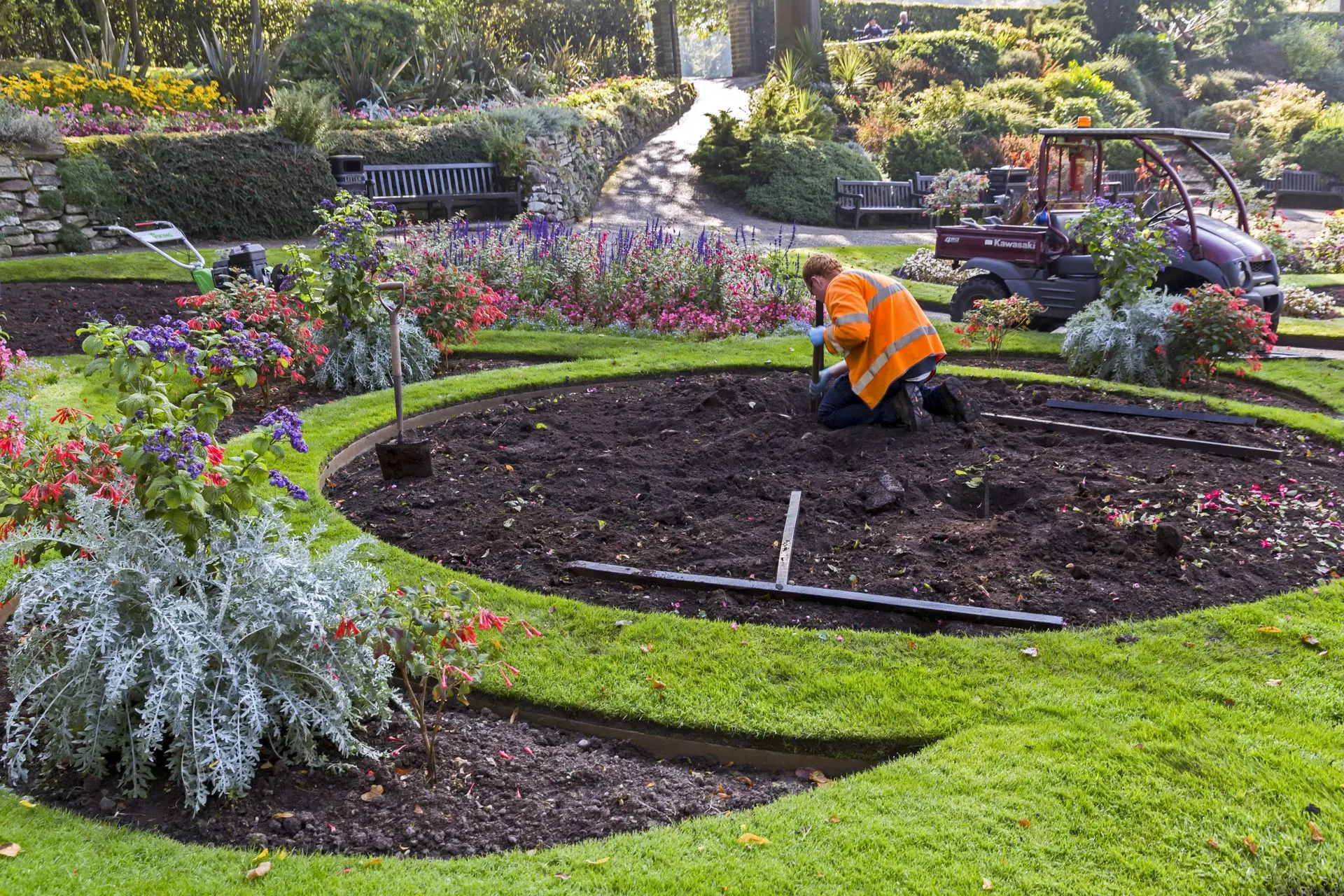
Why Demolition Is Only Half the Job
Removing old features is an important step in a landscape renovation, but demolition alone doesn’t prepare a yard for new installation. After concrete, stone, or outdated landscaping is removed, the site is often left uneven, compacted, or unstable.
Site preparation after demolition is what turns a cleared area into a build-ready landscape. Without it, new features are far more likely to fail over time.
What Demolition Leaves Behind
Even professional demolition can leave behind conditions that need to be addressed before new work begins. Heavy equipment, broken materials, and exposed soil all affect how the site performs.
Common post-demolition issues include:
- Compacted or uneven soil
- Poor grading
- Buried debris or old base material
- Drainage disruptions
Site prep corrects these issues before installation begins.
Regrading for a Clean, Functional Layout
After demolition, the original grading of the yard is often disrupted. Site preparation reshapes the land so it supports proper drainage and a clean layout.
Regrading helps:
- Restore smooth, usable surfaces
- Direct water away from structures
- Prevent pooling and erosion
Proper grading is essential for long-term performance.
Correcting Soil Compaction
Demolition equipment compresses soil, making it difficult for plants, sod, and hardscaping to establish properly. Site prep loosens and corrects compacted soil so it can support new installations.
Soil correction improves:
- Root growth for lawns and plants
- Water absorption
- Long-term stability
Healthy soil is the foundation of a successful landscape.
Removing Hidden Debris and Old Base Materials
Old patios, walkways, or retaining features often leave behind base materials that interfere with new construction. Site prep ensures these remnants are fully removed.
This process:
- Prevents uneven settling
- Improves drainage performance
- Creates a consistent base for new features
Skipping this step often leads to costly repairs later.
Preparing the Site for New Hardscaping
Hardscaping requires a stable, properly prepared base. Site prep after demolition ensures the ground can support patios, walkways, and walls.
Proper preparation:
- Prevents shifting and cracking
- Improves drainage beneath surfaces
- Extends the lifespan of hardscape features
Strong prep leads to stronger results.
Supporting Healthy Landscaping Installations
Landscaping also depends on site prep. Soil conditions, grading, and drainage all affect how well sod and plants establish.
Post-demolition site prep helps:
- Create even planting surfaces
- Prevent water stress
- Improve long-term growth
Healthy installations start with proper preparation.
Avoiding Costly Rework and Delays
Skipping site prep often leads to rework once problems appear. Addressing issues immediately after demolition prevents delays and additional costs.
Proper site prep:
- Reduces future repairs
- Keeps projects on schedule
- Improves overall quality
Doing it right the first time saves time and money.
Why Professional Site Prep Makes the Difference
Site preparation requires experience, equipment, and careful planning. Professional crews understand how demolition affects soil, drainage, and layout.
Professional site prep provides:
- Accurate grading
- Reliable soil correction
- Build-ready conditions
Experience ensures the site is ready for long-term success.

Is Your Site Ready After Demolition?
If you’re planning new landscaping or hardscaping after demolition, site preparation is the step that determines how well everything performs. A properly prepared site protects your investment and ensures lasting results.
Contact Twelve Point Landscaping today to schedule a free estimate and get professional site preparation that turns post-demolition space into a strong foundation for your next outdoor upgrade.



find us on


