
Blog
Why Proper Removal Is Essential Before Installing a Retaining Wall
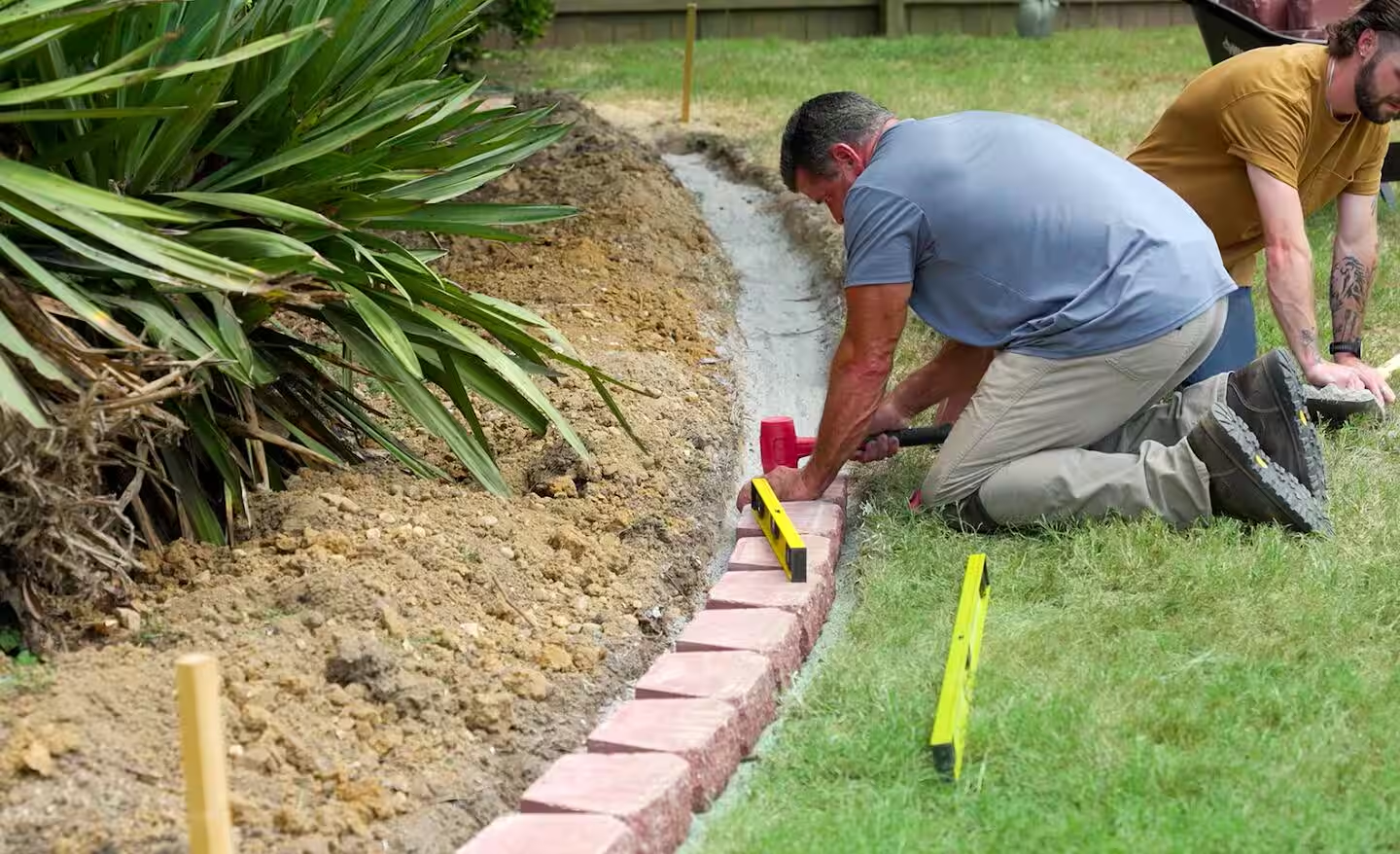
Why Retaining Walls Need a Clean Starting Point
Retaining walls rely on stability, proper drainage, and solid ground to perform correctly. Installing a wall over outdated landscaping, buried debris, or failing structures often leads to shifting, cracking, or drainage issues down the road.
Professional removal clears the space properly so the retaining wall can be built on a stable, reliable foundation from the start.
Common Issues Hidden Beneath Existing Landscapes
What’s visible on the surface rarely tells the full story. Old landscaping often hides materials and conditions that interfere with retaining wall installation.
These hidden issues may include:
- Buried concrete or stone
- Poorly compacted soil
- Old base materials
- Improper grading
- Drainage obstructions
Removal exposes these problems so they can be corrected before construction begins.
Why Working Around Old Features Creates Problems
Trying to install a retaining wall without removing existing features often forces compromises. Walls may be placed incorrectly, drainage may be limited, or soil stability may be reduced.
Working around old materials can lead to:
- Uneven wall placement
- Reduced structural support
- Increased risk of failure
Removal allows the wall to be installed exactly where and how it should be.
Improving Drainage Behind the Wall
Drainage is one of the most critical elements of a retaining wall. Old landscaping and debris often block or disrupt proper water flow.
Professional removal allows:
- Proper drainage layers to be installed
- Water to move safely away from the wall
- Reduced pressure behind the structure
Correct drainage protects the wall and extends its lifespan.
Creating a Stable Base for Long-Term Performance
Retaining walls need a compacted, level base to stay upright over time. Existing materials can prevent proper base preparation.
Removal ensures:
- Unstable soil is addressed
- Old materials are cleared
- The base is prepared correctly
A solid foundation is essential for long-term wall stability.
Avoiding Costly Repairs and Rework
Skipping removal often leads to issues that require repairs later. Fixing a failing retaining wall is far more expensive than preparing the site properly upfront.
Proper removal helps:
- Prevent shifting and leaning
- Reduce long-term maintenance
- Avoid repeated construction
Doing it right the first time saves money and stress.
Supporting Accurate Design and Layout
Designing a retaining wall requires precise measurements and planning. Old features can distort layouts and limit design options.
Removal allows designers to:
- Plan walls accurately
- Optimize wall placement
- Create cleaner transitions
This leads to better overall results.
Why Professional Removal Makes the Difference
Landscape removal requires experience, equipment, and planning. Professional crews remove only what’s necessary while protecting surrounding areas.
Professional removal provides:
- Efficient, controlled removal
- Proper disposal of materials
- Minimal disruption to the property
Experience ensures the site is ready for construction.

Is Your Site Ready for a Retaining Wall?
If your yard includes old landscaping or structures where a retaining wall is planned, professional removal is the first step toward success. Clearing the area properly allows the wall to perform as intended.
Contact Twelve Point Landscaping today to schedule a free estimate and learn how professional removal prepares your site for retaining wall installation built to last.



find us on


