
Blog
Why Landscape Removal Comes First When Upgrading Outdoor Access
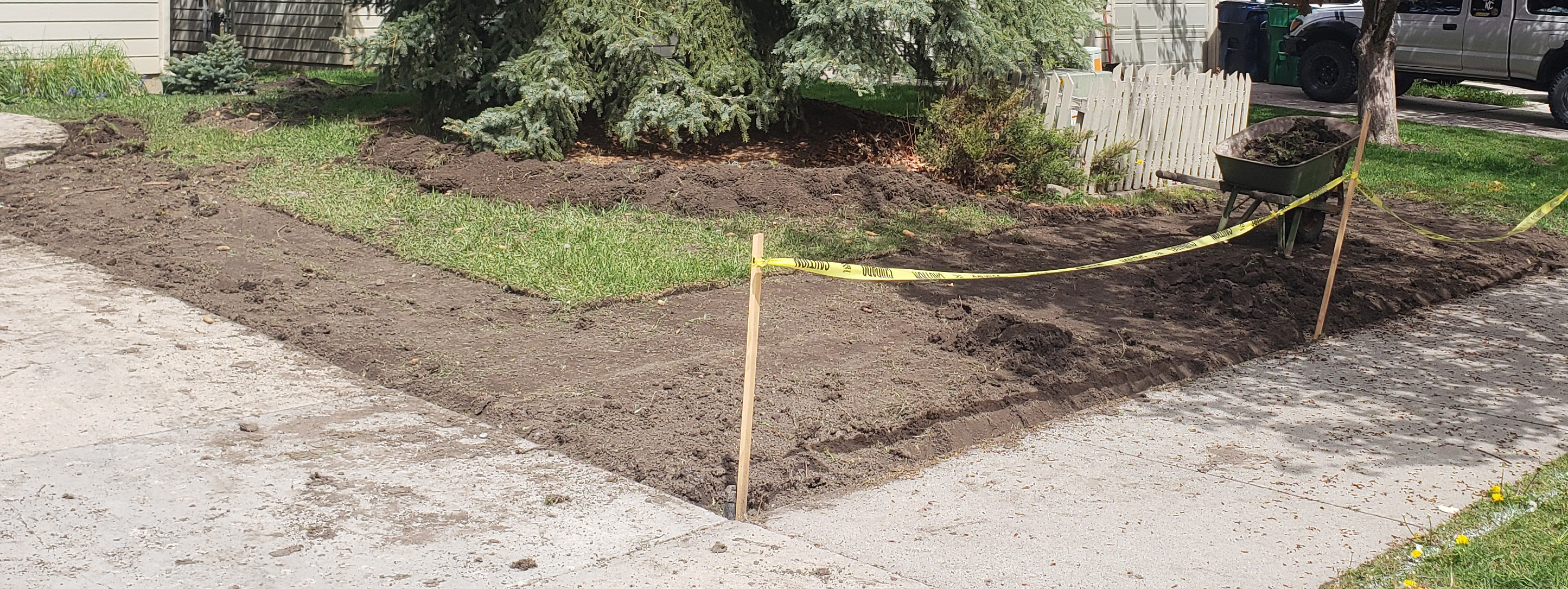
Why Access Upgrades Often Fail Without Removal
Upgrading outdoor access—such as paths to gates, side yards, or backyard entries—seems simple until existing landscaping gets in the way. Old materials, compacted soil, and poor grading often prevent new access routes from performing as intended.
Landscape removal clears obstacles so access upgrades can be built correctly from the start.
What Existing Landscapes Can Block Access Improvements
Older landscaping frequently hides conditions that interfere with new access routes.
Common obstacles include:
- Buried concrete or stone
- Compacted soil from repeated foot traffic
- Uneven grading
- Old edging or borders
- Drainage conflicts
Removal exposes these issues so they can be corrected before upgrades begin.
Why Building Around Old Features Causes Problems
Trying to improve access without removal often leads to shortcuts that reduce durability and safety.
Problems include:
- Uneven walking surfaces
- Persistent mud or pooling
- Limited layout flexibility
- Premature wear and settling
Removal allows access upgrades to be designed without compromise.
Creating a Clean, Level Base for New Access Routes
Reliable access depends on what’s beneath the surface. Landscape removal allows crews to rebuild the base properly.
Base preparation after removal includes:
- Clearing unstable materials
- Regrading for proper flow
- Compacting supportive layers
A solid base ensures long-term usability.
Correcting Drainage Before Access Is Installed
Drainage issues are a common reason access paths fail. Removal makes it possible to correct water flow before new routes are added.
Drainage improvements help:
- Prevent slippery conditions
- Reduce erosion
- Keep access routes usable after rain
Fixing drainage early prevents repeat problems.
Improving Safety Through Proper Preparation
Access routes are used daily, often in all weather. Removal allows the site to be reshaped for safety.
Safety-focused preparation:
- Eliminates uneven transitions
- Reduces trip hazards
- Creates predictable walking paths
Safe access improves everyday comfort.
Allowing Smarter Layout and Route Planning
Old landscaping often dictates movement patterns—even when they don’t make sense. Removal gives designers the freedom to plan access logically.
Improved planning allows:
- Direct routes to gates and entries
- Better spacing around landscaping
- Cleaner transitions between zones
Freedom leads to better access design.
Reducing Long-Term Maintenance
Access routes built over old materials require frequent repairs. Proper removal reduces maintenance needs significantly.
Long-term benefits include:
- Less settling and shifting
- Fewer muddy areas
- Easier upkeep
Durable access saves time and money.
Avoiding Costly Mid-Project Adjustments
Hidden issues discovered during construction often lead to delays and added costs. Removal identifies problems early.
Removal helps:
- Prevent surprises
- Keep projects on schedule
- Protect your investment
Preparation reduces risk.
Why Professional Landscape Removal Matters
Access upgrades require precision and planning. Professional landscape removal ensures only what’s necessary is removed—without damaging surrounding areas.
Professional removal provides:
- Controlled demolition
- Proper material disposal
- Clean, build-ready conditions
Experience ensures access upgrades succeed.

Is Your Outdoor Access Ready for an Upgrade?
If paths around your home are uneven, muddy, or difficult to use, professional landscape removal may be the missing step. Clearing the site properly allows access upgrades to be safe, durable, and easy to use.
Contact Twelve Point Landscaping today to schedule a free estimate and explore professional landscape removal options designed to prepare your property for reliable, long-lasting outdoor access upgrades.



find us on


