
Blog
What to Do With a Bare Backyard — Where to Start When You Have Nothing to Work With
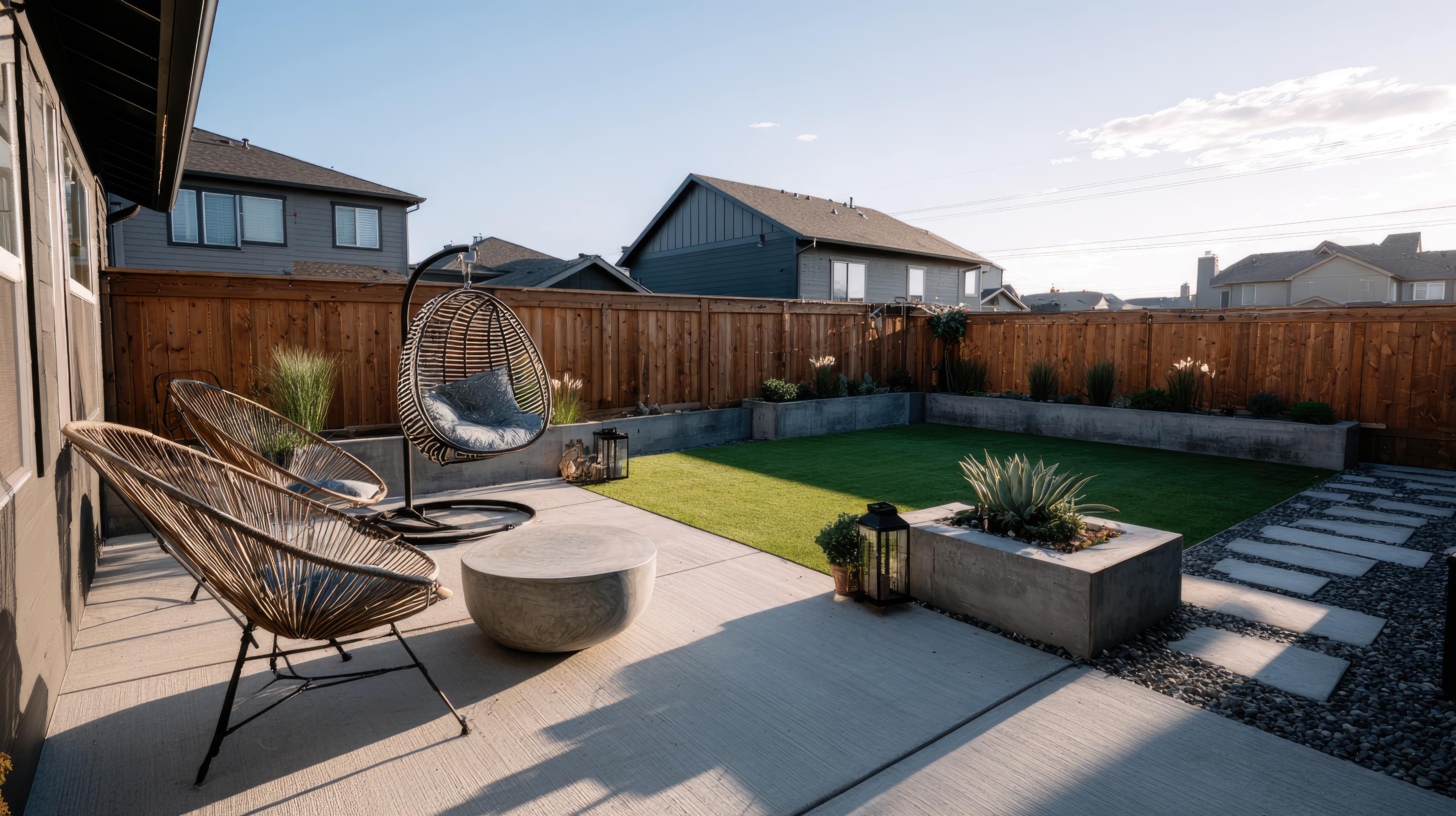
A bare backyard is either the most exciting or the most overwhelming thing an Austin homeowner can face — sometimes both at once. There's nothing wrong with the space. There are no bad decisions to undo, no existing layout to work around, no plants in the wrong places. It's a completely blank canvas. But that blank canvas can also be paralyzingly open-ended. Where do you even start?
The answer isn't to start buying plants or calling contractors at random. The homeowners who get the best results from a bare backyard transformation are the ones who start with a process — a way of thinking through the space before spending a dollar on materials or installation. At Twelve Point Landscaping, we work with blank-slate backyards across Austin, Dripping Springs, Bee Cave, Lakeway, and Central Texas regularly, and here's the approach that consistently produces the best outcomes.
Step 1: Define How You Want to Use the Space
Before you think about plants, patios, or any specific features, the first question to answer is the most fundamental one: what do you actually want this backyard to do?
This isn't about what looks good on Pinterest. It's about how you actually live. Do you entertain frequently and need space for large gatherings? Do you have kids who need open lawn area for running and playing? Do you want a quiet retreat for morning coffee and evening relaxation? Are you a gardener who wants productive planting space? Do you work from home and want an outdoor space that functions as an extension of your office?
The answers to these questions determine everything else — the layout, the features, the materials, the plant selection. A backyard designed for frequent large-scale entertaining looks completely different from one designed for quiet personal relaxation. Both can be beautiful. Only one will actually serve the way you live.
Write down your priorities before you make any other decisions. If you share the space with a partner or family, get everyone's input. Conflicting priorities are much easier to resolve on paper during the planning phase than they are after installation has begun.
Step 2: Assess What You're Actually Working With
A bare backyard isn't just an empty canvas — it's a specific piece of land with specific characteristics that will affect every decision you make. Before planning anything, take stock of what you're actually working with:
Sun and Shade Patterns — Walk the backyard at different times of day and note where the sun hits and where there's shade. This affects plant selection, patio placement, and how comfortable different areas of the yard will be at different times of day. A patio that bakes in afternoon sun is significantly less enjoyable than one that catches afternoon shade.
Drainage — Where does water go when it rains? Are there low spots that collect water? Does the yard drain away from the house or toward it? Drainage issues are much easier and cheaper to address before a landscape is installed than after.
Soil Conditions — What's the soil like? Is it rocky limestone, heavy clay, sandy, or a mix? Soil condition affects plant selection, site prep requirements, and how much amendment work needs to happen before planting begins.
Grade and Slope — Is the backyard flat or does it have grade changes? Significant slopes require retaining walls or terracing to be usable. Gentle slopes may just need proper grading. A truly flat yard is the easiest to work with but may need careful drainage planning.
Access and Constraints — How wide is the gate into the backyard? Are there utility easements or underground lines that affect where you can dig or build? Are there HOA restrictions on structures, materials, or plant height? These practical constraints need to be understood before the design phase begins.
Step 3: Establish Your Layout Before Anything Else
With a clear sense of how you want to use the space and what you're working with, the next step is establishing the layout — deciding where the major elements of the backyard will go before committing to any of them individually.
Think of the layout as a map of your backyard's different zones. A typical Austin backyard might include:
A primary outdoor living zone — the patio, where the main seating and entertainment space will be. A lawn zone — open grass area for kids, pets, or just visual openness. Planting zones — beds along the fence line, around the perimeter, or integrated into the overall design. Transition zones — walkways and paths that connect different areas of the yard. Any specialty zones specific to your lifestyle — a garden area, a fire pit zone, a play structure area.
Sketching this layout on paper before making any purchases or calls helps you see how the different elements relate to each other and whether the proportions make sense for the size of your yard. The patio should be big enough to actually accommodate the furniture and people you plan to have in it. The lawn area should be appropriately sized for how it will be used. Planting zones should have enough space for plants to reach their mature size without overcrowding.
Step 4: Start With Hardscaping
Once the layout is established, hardscaping goes in first. This is the right sequence for practical reasons — hardscaping installation involves heavy equipment, material delivery, and construction activity that would damage any landscaping already in place. Installing hardscaping first also establishes the structural framework of the space that landscaping is then designed around.
For a bare backyard starting from scratch, hardscaping typically includes:
The primary patio — the most impactful single feature in most backyards. Getting the patio right in terms of size, material, and placement is the most important hardscaping decision you'll make. Any retaining walls or grade management needed to make slopes usable. Walkways connecting the patio to the house and to other areas of the yard. Any additional features — seating walls, fire pit areas, built-in elements — that are part of the design.
Don't undersize the patio. This is one of the most common mistakes homeowners make with bare backyards. A patio that looks generous on a plan often feels cramped once furniture is in place. Think through exactly what furniture you want to fit — a dining table, a seating arrangement, a grill — and plan patio dimensions accordingly.
Step 5: Handle Site Prep Before Planting
Before any plants go in the ground, the planting zones need to be properly prepared. In a bare backyard — particularly a new construction property — this often means dealing with compacted soil, poor soil quality, or rocky ground that won't support healthy plant growth without intervention.
Site prep for planting zones includes soil assessment and amendment, proper grading to ensure drainage away from the house and away from plant crowns, and removal of any construction debris, old roots, or materials left in the soil. This step is invisible in the finished product but makes an enormous difference in how well plants establish and how long they thrive.
Step 6: Install Landscaping Around the Hardscape
With hardscaping in place and planting zones properly prepped, landscaping goes in around and between the structural elements. This is where the backyard starts to feel complete and alive.
For a bare backyard transformation, landscaping installation typically includes:
Tree placement — the most long-term decision in any landscape. Trees should be selected for mature size, shade provision, and how they'll define the space over the next decade and beyond. Place them early because they take the longest to establish. Shrub and perennial installation in the defined planting beds. Mulch or decorative rock throughout all bed areas. Lawn installation — either sod or seed — in the designated lawn zones.
Plant selection for Austin backyards should prioritize drought tolerance, heat resistance, and year-round visual interest. Native Texas plants, adapted perennials, and ornamental grasses form the backbone of a low-maintenance Austin landscape that looks great without demanding constant attention.
Step 7: Add Lighting Last — But Plan for It First
Outdoor lighting is typically the last element to be installed but needs to be planned from the beginning. Underground conduit and wiring for a permanent lighting system needs to go in before hardscaping is installed — not after. If you're planning to add outdoor lighting at any point, make sure that conduit is run during the site prep and hardscaping phase even if the fixtures themselves aren't installed until later.
A basic lighting plan for a bare backyard transformation might include pathway lighting along walkways, uplighting for any significant trees or features, and ambient lighting for the patio area. LED systems are the right choice for Austin — energy-efficient, long-lasting, and compatible with smart controls.
How Much Does Transforming a Bare Backyard Cost?
The honest answer is that it varies enormously depending on the size of the space, the scope of what's being built, and the materials selected. A modest bare backyard transformation — a mid-size paver patio, basic landscaping, and sod — might run several thousand to low tens of thousands of dollars. A comprehensive transformation with extensive hardscaping, mature tree installation, full landscaping, and a lighting system can run significantly higher.
The only way to get a reliable number for your specific project is through an on-site assessment. Any quote without a site visit isn't accounting for your specific conditions, constraints, or scope.

At Twelve Point Landscaping, bare backyard transformations are some of our favorite projects. Starting from nothing means we can get everything right from the beginning — no compromises forced by existing features, no problems inherited from previous installations. Just a clean canvas and an opportunity to build something great.
We serve homeowners throughout Austin, Dripping Springs, Bee Cave, Lakeway, and Central Texas. If you're staring at a bare backyard and wondering where to start, reach out for a free estimate. Let's talk about what we can build together.


find us on


