
Blog
What Factors Affect the Cost of a Retaining Wall?
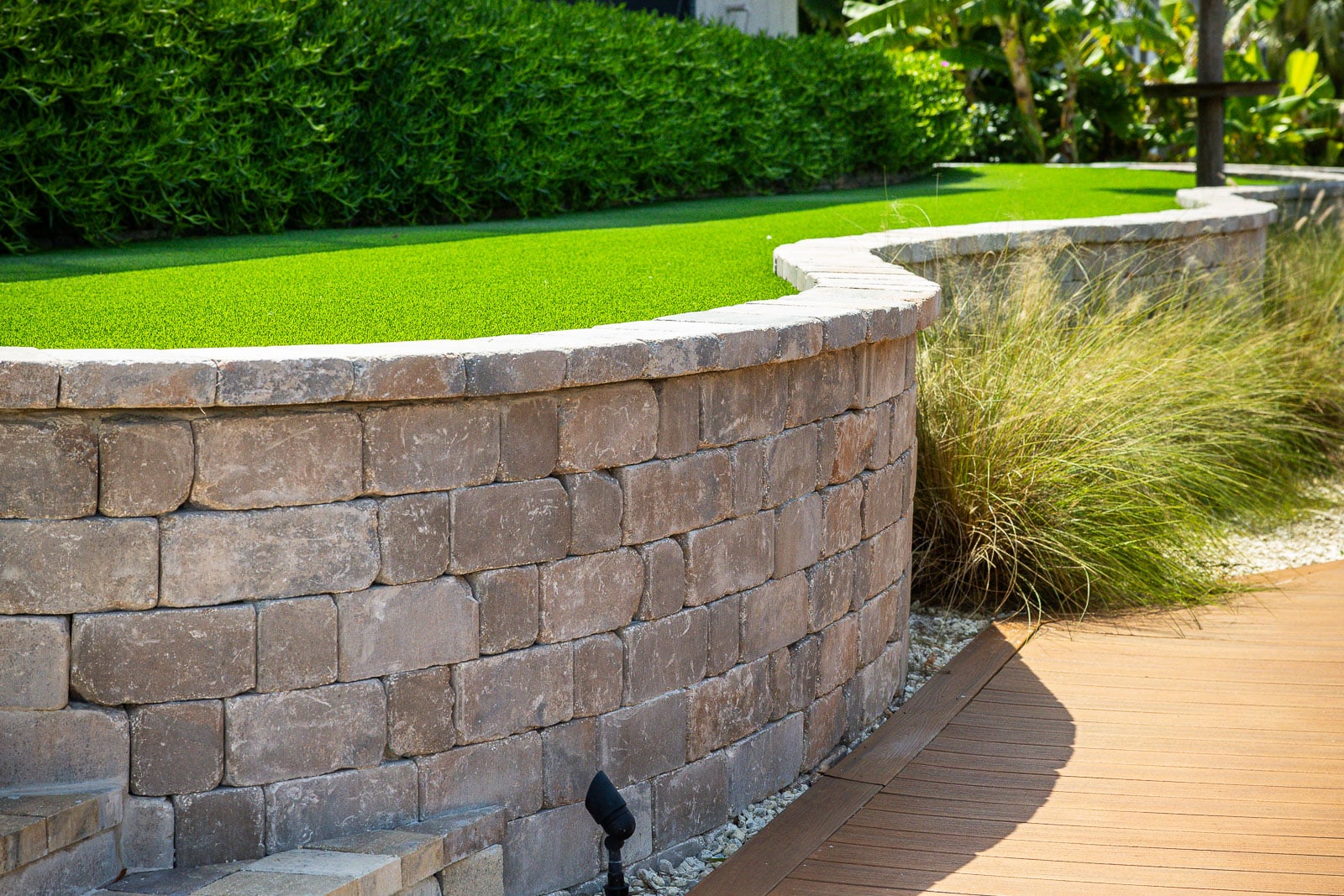
Understanding Retaining Wall Costs Before Starting Your Project
If you're dealing with a sloped yard, erosion issues, or want to create more usable outdoor space, you've probably wondered about retaining wall cost.
The truth is that no two retaining wall projects are exactly alike. The final price depends on several factors, including the size of the wall, materials used, site conditions, and installation requirements.
Understanding what impacts retaining wall cost can help homeowners plan their projects more effectively and avoid unexpected surprises.
Why Retaining Walls Are Often Necessary
Many homeowners initially view retaining walls as decorative features, but they often serve a much bigger purpose.
A professionally installed retaining wall can:
- Prevent soil erosion
- Stabilize sloped landscapes
- Improve drainage
- Create level outdoor spaces
- Protect structures and landscaping
When designed correctly, a retaining wall becomes both a functional and attractive addition to your property.
Material Selection Plays a Major Role
One of the biggest factors influencing retaining wall cost is the material you choose.
Concrete Block Retaining Walls
Concrete blocks are one of the most popular options because they are durable, versatile, and available in many styles.
Natural Stone Retaining Walls
Natural stone offers a premium appearance and unique character, but it often comes with higher material and labor costs.
Boulder Walls
Boulder walls create a natural look that blends well with landscaping and can be an excellent solution for larger properties.
The right material depends on your budget, design goals, and the specific needs of your yard.
Wall Height Affects Retaining Wall Cost
Another major factor in retaining wall cost is height.
Taller walls require:
- More materials
- Additional labor
- Greater structural support
- Enhanced drainage systems
As wall height increases, engineering and construction requirements become more complex, which impacts the overall project cost.
Site Conditions Matter More Than Most Homeowners Realize
Every property presents unique challenges that can influence retaining wall cost.
Factors include:
- Steep slopes
- Limited equipment access
- Existing landscaping
- Soil conditions
- Drainage concerns
Projects with difficult site conditions typically require more preparation and labor to ensure long-term performance.
Drainage Is Essential for Long-Term Success
One of the most overlooked aspects of retaining wall installation is drainage.
Without proper drainage, water pressure can build behind the wall and eventually lead to structural problems.
Professional retaining wall installation includes drainage solutions designed to:
- Redirect water
- Reduce pressure
- Extend the lifespan of the wall
- Prevent costly repairs
Although drainage systems add to the project scope, they are essential for protecting your investment.
Site Preparation Can Influence Project Costs
Before construction begins, the area often needs preparation.
This may include:
- Land clearing
- Demolition of existing structures
- Material hauling
- Grading and leveling
Proper site preparation creates a stable foundation and helps ensure the retaining wall performs as intended for years to come.
Why Professional Installation Is Worth the Investment
While some homeowners consider DIY options, retaining walls require much more than stacking materials.
Professional installation helps ensure:
- Proper engineering
- Correct drainage design
- Structural integrity
- Long-term durability
- Compliance with local requirements
A retaining wall that is built correctly the first time often saves money in future repairs and maintenance.

If you're considering a retaining wall for your property, the team at Twelve Point Landscaping can help you design and build a solution that fits your landscape and long-term goals.



find us on


