
Blog
Water-Efficient Landscaping That Keeps Your Yard Healthy Without Waste
Why Water Efficiency Matters in Modern Landscaping
Water use is one of the biggest long-term costs of maintaining a yard. Landscapes that aren’t designed with efficiency in mind often require excessive watering just to stay presentable, leading to higher bills and ongoing frustration.
Water-efficient landscaping focuses on design choices that support healthy growth while reducing unnecessary water use, creating outdoor spaces that perform better with less effort.
How Poor Landscaping Leads to Water Waste
Many water issues stem from layout problems rather than climate alone. Uneven grading, compacted soil, and poorly planned lawn areas all force homeowners to water more than necessary.
Common causes of water waste include:
- Low spots that hold water
- Slopes that cause runoff
- Lawns placed where grass struggles to survive
- Soil that doesn’t absorb moisture well
Addressing these issues through landscaping improves efficiency immediately.
Designing Lawns That Use Water More Effectively
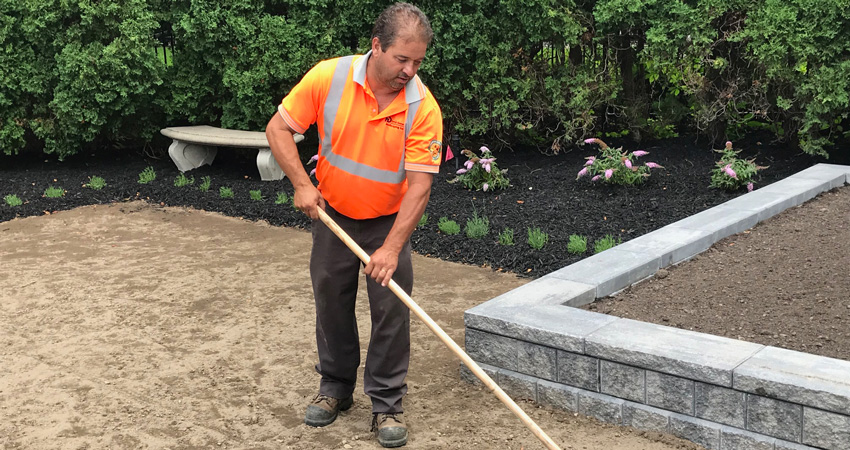
Lawns are often the most water-demanding part of a yard. Water-efficient landscaping limits lawn areas to where they make sense and prepares them properly so they perform better.
This approach includes:
- Improving soil conditions
- Leveling uneven areas
- Reducing lawn size where appropriate
Healthier lawns require less frequent watering and recover more easily.
Improving Soil to Support Better Absorption
Soil quality plays a major role in water efficiency. Compacted or poor-quality soil prevents moisture from reaching plant roots, leading to overwatering.
Professional landscaping improves soil by:
- Loosening compacted areas
- Removing debris and poor fill
- Preparing soil for deeper root growth
Better soil means water goes where it’s needed instead of running off.
Using Landscaping Layout to Control Runoff
Water-efficient landscaping reshapes how water moves across the yard. Instead of allowing runoff to wash water away, layouts are designed to slow and absorb moisture naturally.
Layout improvements help:
- Reduce runoff on slopes
- Prevent pooling in low areas
- Distribute water evenly
These changes improve both water use and landscape health.
Reducing Overwatering Through Smart Plant Placement
Even without changing plant types, placement makes a big difference. Landscaping groups plants based on similar water needs and positions them where conditions support healthy growth.
Smart placement:
- Reduces stress on plants
- Limits excess watering
- Improves long-term performance
Plants thrive when they’re placed intentionally.
Balancing Open Space With Durable Features
Water-efficient landscaping often pairs landscaping with hardscape features to reduce high-water areas without sacrificing usability.
This balance:
- Limits water-heavy lawn zones
- Improves overall durability
- Maintains a clean, functional layout
Efficiency doesn’t mean sacrificing appearance.
Why Professional Landscaping Delivers Better Water Efficiency
DIY solutions often focus on watering schedules instead of fixing the underlying design issues. Professional landscaping takes a holistic approach that improves performance long-term.
Professional services provide:
- Better grading and layout planning
- Improved soil preparation
- Long-lasting efficiency improvements
Experience ensures water efficiency is built into the landscape—not added as an afterthought.

Is Your Yard Using More Water Than It Should?
If your yard requires constant watering just to stay healthy, water-efficient landscaping may be the solution. With smarter design and preparation, it’s possible to reduce water use while maintaining a strong, attractive outdoor space.
Contact Twelve Point Landscaping today to schedule a free estimate and explore water-efficient landscaping solutions designed to improve performance, reduce waste, and keep your yard looking its best.


find us on


