
Blog
The Best Plants for Austin Landscapes — What Actually Thrives in Central Texas
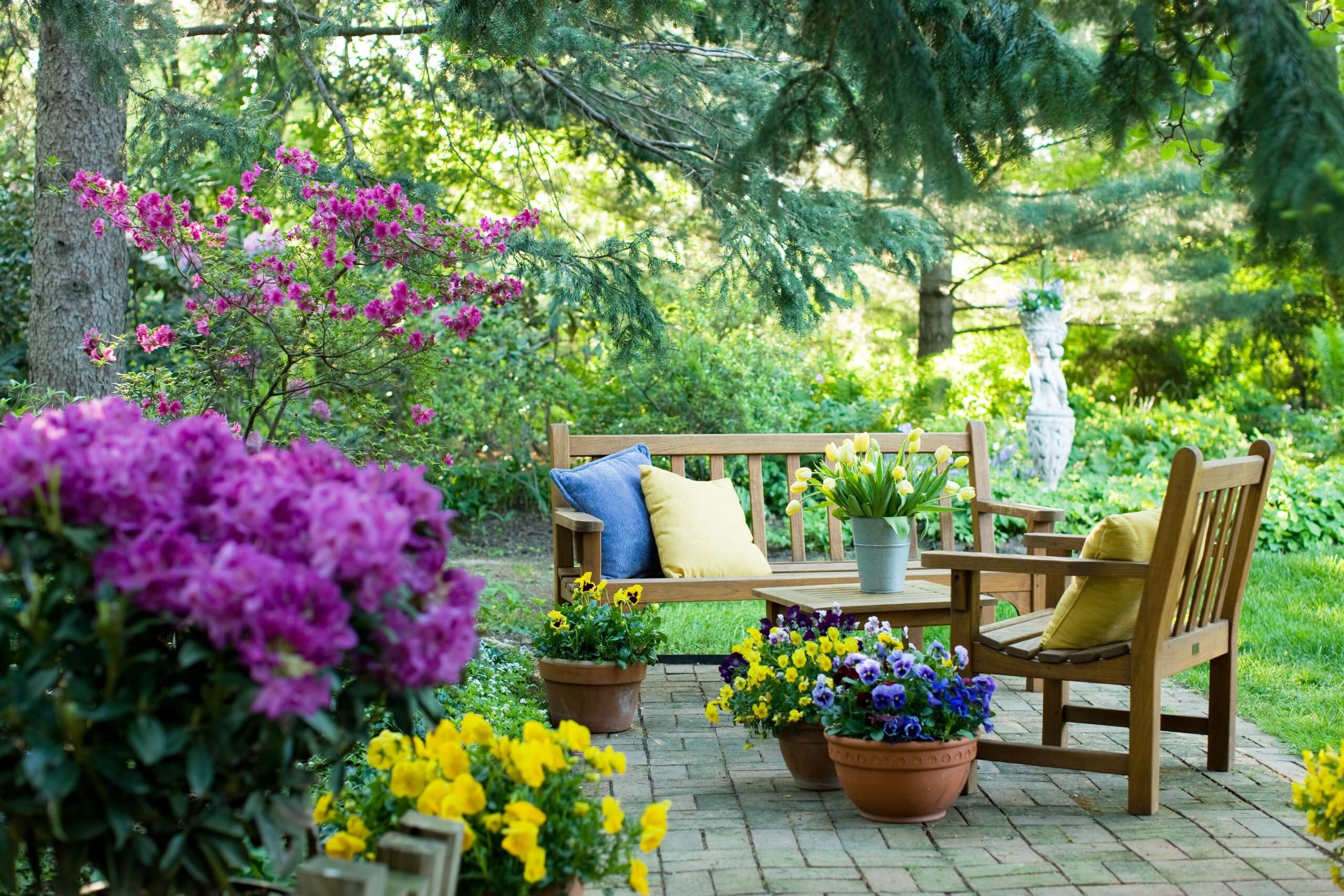
Choosing the right plants for your Austin yard is one of the most important decisions in any landscaping project — and one of the most commonly mishandled. Central Texas has a unique climate that rewards the right plant selections and punishes the wrong ones. Hot summers, periodic drought, rocky or clay-heavy soil, and mild but occasionally freezing winters create conditions that not every plant is built to handle.
The good news is that there are plenty of beautiful, low-maintenance plants that absolutely thrive in Austin. When your landscape is built around the right species for the region, you get a yard that looks great, stays healthy, and doesn't require constant intervention to maintain. Here's a guide to the best plants for Austin landscapes from the team at Twelve Point Landscaping.
Why Plant Selection Matters More in Central Texas
In many parts of the country, plant selection is mostly an aesthetic choice. In Central Texas, it's also a practical one. Austin's climate is genuinely demanding. Summer temperatures regularly reach into the triple digits. Drought conditions are common and sometimes severe. The soil varies significantly — from limestone-heavy ground in the Hill Country to heavier clay in some suburban areas — and drainage can be a real challenge.
Plants that aren't suited to these conditions will struggle. They'll require extra water, be prone to disease, and often fail entirely during dry stretches. On the flip side, plants that are native to or well-adapted to Central Texas perform with minimal care, hold up through summer heat, and come back strong year after year.
When we design and install landscapes for Austin homeowners, plant selection is one of the first and most important conversations we have. Getting it right from the start is the difference between a yard that thrives and one that's constantly fighting to survive.
Drought-Tolerant Plants for Austin Yards
Drought tolerance is one of the most important traits to look for in Central Texas plants, especially as the region continues to experience water restrictions and dry summers. Here are some of the best drought-tolerant options for Austin landscapes:
Salvia (Salvia greggii and related varieties) — One of the most reliable performers in Austin landscapes. Autumn sage and related salvias bloom from spring through fall, attract hummingbirds and butterflies, and handle heat and drought with ease. Available in red, pink, coral, and white.
Lantana — A Texas landscape staple. Lantana thrives in full sun and extreme heat, producing clusters of colorful flowers throughout the warm months. It's low-maintenance, drought-tolerant, and a major pollinator attractor. Use as a spreading ground cover or in mass plantings for bold color.
Texas Sage (Leucophyllum frutescens) — Also known as cenizo or purple sage, this tough shrub produces silvery-gray foliage and purple blooms — often triggered by rainfall. It requires very little water once established and is one of the most heat-tolerant shrubs available for Austin yards.
Black-Eyed Susan (Rudbeckia hirta) — A cheerful, sun-loving perennial that adds bright yellow color to landscapes from summer through fall. Drought-tolerant and easy to grow, black-eyed Susans are excellent for mass plantings in sunny beds.
Agave and Succulents — For a more architectural, low-water look, agaves and other succulents are excellent choices. They require almost no irrigation once established and add bold texture and form to modern or xeric landscape designs.
Native Texas Plants That Excel in Austin Landscapes
Planting native species is one of the smartest moves an Austin homeowner can make. Native plants are naturally adapted to local soil, rainfall patterns, and climate conditions, which means they perform well with minimal inputs. They also support local wildlife, including pollinators and birds.
Texas Mountain Laurel (Sophora secundiflora) — One of the most beloved native shrubs in Central Texas. It produces stunning clusters of purple, grape-scented flowers in late winter and early spring, and its evergreen foliage provides year-round structure. Highly drought-tolerant once established.
Turk's Cap (Malvaviscus arboreus) — A versatile native that thrives in both sun and shade — which is rare. It produces red, tube-shaped flowers that hummingbirds love, and it handles the heat and drought of Austin summers without complaint.
Gregg's Mistflower (Conoclinium greggii) — A fall-blooming native perennial that produces clouds of lavender-blue flowers and is a magnet for monarch butterflies during migration. Low-maintenance and drought-tolerant once established.
Inland Sea Oats (Chasmanthium latifolium) — A graceful native grass that performs beautifully in shaded areas — a common challenge in Austin yards with large live oaks. It provides texture and movement and is one of the best options for shaded landscape beds.
Cedar Sage (Salvia roemeriana) — A shade-tolerant native salvia that blooms in red from spring through fall. Perfect for shaded beds under live oaks where many plants struggle.
Ornamental Grasses for Central Texas
Ornamental grasses are among the most reliable performers in Austin landscapes. They're drought-tolerant, low-maintenance, and add incredible texture and movement to the yard.
Gulf Muhly (Muhlenbergia capillaris) — One of the showiest plants in any Austin landscape come fall. Gulf muhly produces stunning clouds of pink-purple flower plumes in September and October and is drought-tolerant and virtually maintenance-free.
Lindheimer's Muhly (Muhlenbergia lindheimeri) — A taller, more upright muhly grass with fine blue-green foliage and feathery fall blooms. Excellent as a specimen plant or in mass groupings.
Autumn Blaze Pampas Grass — Provides bold, dramatic structure in the landscape with tall plumes in fall. Works well as a backdrop or screen planting.
Evergreen Shrubs for Year-Round Structure
Every Austin landscape needs some evergreen shrubs to provide structure, color, and visual interest during the winter months when perennials die back.
Dwarf Yaupon Holly (Ilex vomitoria 'Nana') — One of the toughest, most versatile shrubs for Central Texas. Tolerates heat, drought, poor soil, and partial shade. Provides clean, rounded form and stays green year-round.
Loropetalum — Offers burgundy or green foliage with fringe-like pink or white flowers in spring. A beautiful, low-maintenance evergreen that adds color and texture in all seasons.
Wax Myrtle (Morella cerifera) — A fast-growing native evergreen that works well as a screen or hedge. Drought-tolerant and provides good wildlife habitat.
Shade Trees for Austin Properties
Strategic tree planting is one of the longest-lasting landscaping investments an Austin homeowner can make. The right tree in the right location provides shade that reduces cooling costs, adds significant property value, and creates a canopy that defines your outdoor space for decades.
Live Oak (Quercus virginiana) — The quintessential Texas tree. Live oaks are long-lived, drought-tolerant, and provide dense, spreading shade. A mature live oak is one of the most valuable assets a Central Texas property can have.
Texas Red Oak (Quercus buckleyi) — One of the few trees that provides reliable fall color in Austin. Turns brilliant red and orange in autumn and is well-adapted to the region's rocky, limestone soils.
Cedar Elm (Ulmus crassifolia) — A tough, adaptable native tree that handles Austin's heat and periodic drought well. Provides good shade and attractive fall color.

Whether you're starting fresh or refreshing an existing landscape, we're ready to help you build something beautiful. Reach out for a free estimate and let's talk about what's possible for your yard.



find us on


