
Blog
Retaining Walls That Turn Sloped Yards Into Functional Outdoor Space
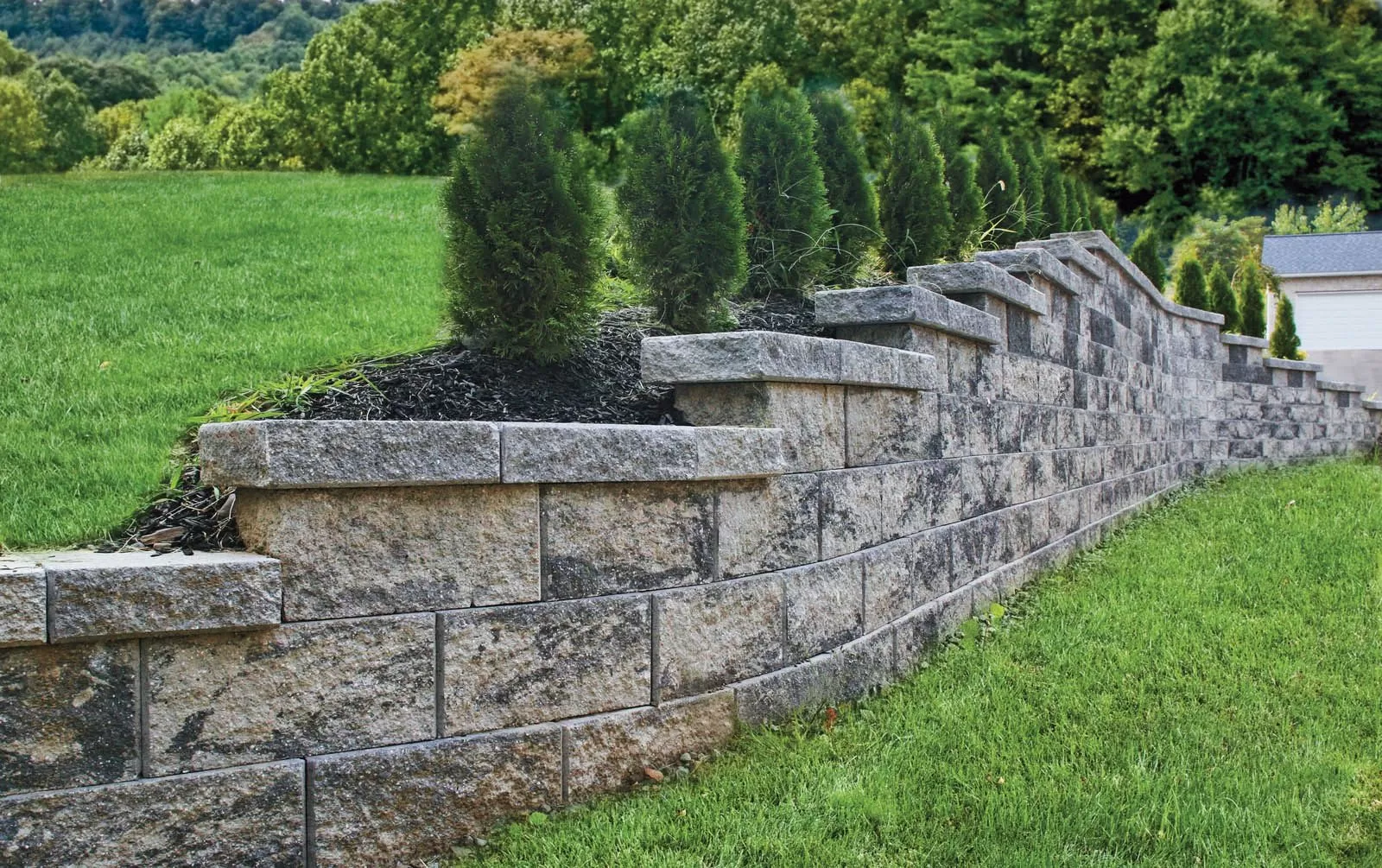
Why Sloped Yards Often Go Underused
Sloped or uneven yards can be difficult to enjoy without the right structure. Furniture doesn’t sit level, water runs where it shouldn’t, and usable space feels limited. Over time, these challenges often lead homeowners to avoid parts of their yard altogether.
Retaining walls solve these issues by creating level areas, improving stability, and transforming slopes into functional outdoor space.
How Retaining Walls Improve Yard Stability
One of the primary purposes of a retaining wall is to hold soil in place. Without proper support, sloped areas are vulnerable to erosion and shifting over time.
Retaining walls help by:
- Preventing soil movement
- Reducing erosion and washout
- Supporting surrounding landscaping
This stability protects both the yard and nearby structures.
Creating Level Areas for Everyday Use
Retaining walls allow sloped yards to be reshaped into usable zones. By terracing or leveling sections of the yard, retaining walls create flat areas for seating, landscaping, or walkways.
Level areas make it easier to:
- Place furniture
- Create gathering spaces
- Maintain the landscape
This added functionality increases how much of the yard can be enjoyed.
Improving Drainage on Sloped Properties
Water naturally moves faster on slopes, which can cause erosion and pooling at lower points. Retaining walls play an important role in controlling water flow.
Properly designed retaining walls:
- Help manage runoff
- Reduce soil saturation
- Protect lower areas of the yard
Improved drainage supports long-term landscape health.
Preventing Long-Term Damage to Landscaping
Without retaining walls, sloped yards often experience ongoing landscape damage. Plants struggle to establish, soil washes away, and repairs become frequent.
Retaining walls help:
- Preserve plant root systems
- Maintain consistent soil levels
- Reduce the need for repeated fixes
This leads to a more reliable, low-maintenance landscape.
Blending Retaining Walls Into the Landscape Design
Modern retaining walls are designed to complement the surrounding landscape rather than dominate it. When planned correctly, they enhance both structure and appearance.
Well-designed retaining walls:
- Match the scale of the yard
- Integrate with landscaping features
- Maintain a clean, cohesive look
The result feels intentional and polished.
Supporting Hardscaping and Outdoor Features
Retaining walls often support other outdoor upgrades, such as patios, walkways, or seating areas. By stabilizing elevation changes, they make these features possible.
Retaining walls provide:
- Structural support for hardscaping
- Defined edges for outdoor spaces
- Safer transitions between levels
They form the backbone of many landscape layouts.
Why Professional Installation Is Essential
Retaining walls require precise planning, proper materials, and correct installation techniques. Poorly built walls can shift, lean, or fail over time.
Professional installation ensures:
- Proper base preparation
- Correct drainage behind the wall
- Long-term structural integrity
Experience makes the difference between a wall that lasts and one that doesn’t.

Is a Retaining Wall Right for Your Yard?
If your yard includes slopes, erosion issues, or unusable areas, a retaining wall may be the solution that unlocks its full potential. With professional design and installation, retaining walls can dramatically improve both function and appearance.
Contact Twelve Point Landscaping today to schedule a free estimate and explore retaining wall solutions designed to stabilize your yard and create more usable outdoor space.


find us on


