
Blog
Paver Patios Designed for Stability, Comfort, and Everyday Use
Why Paver Patio Stability Matters
Paver patios are meant to be lived on—not tiptoed around. When stability isn’t prioritized, pavers shift, edges separate, and surfaces become unsafe.
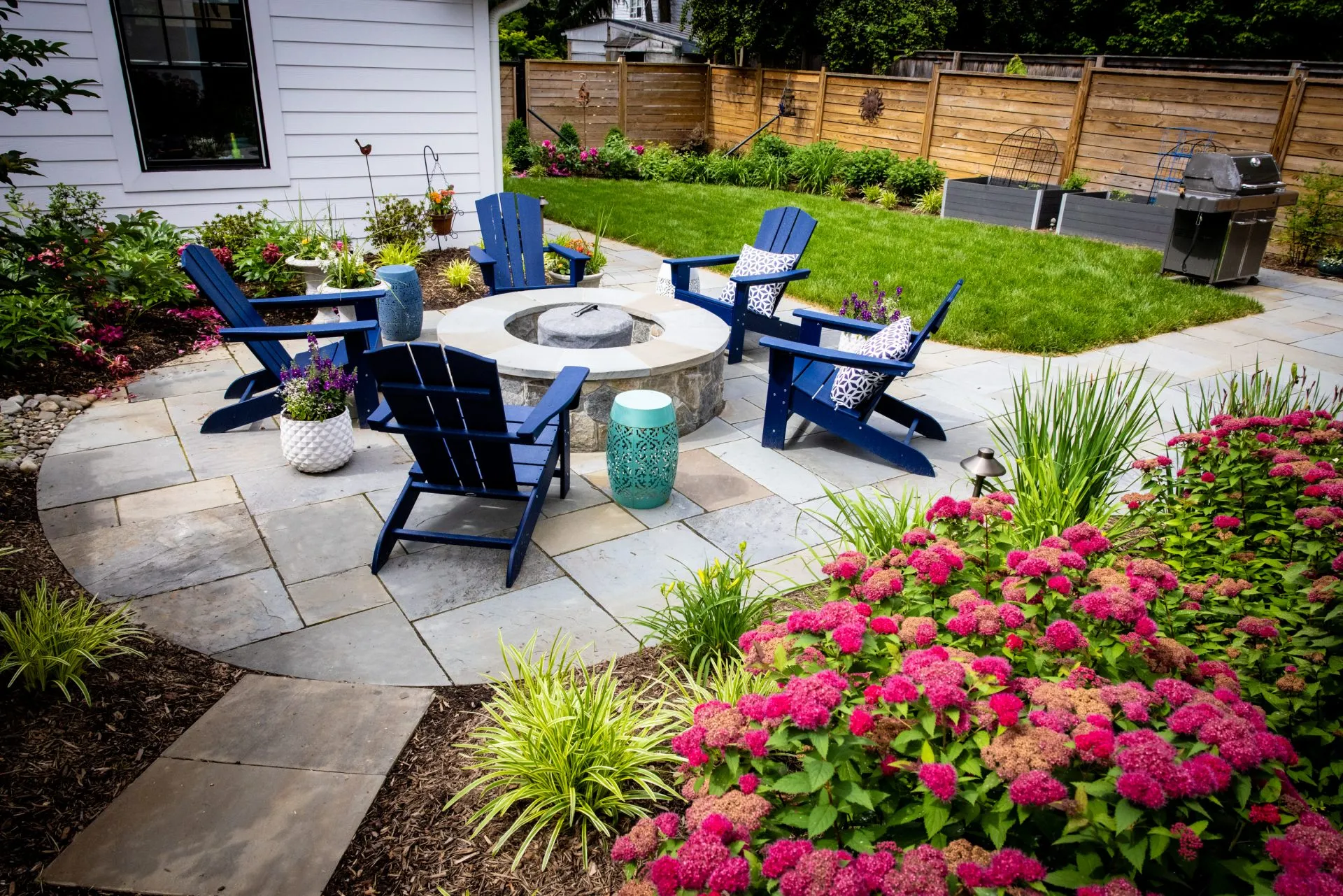
Professionally installed paver patios are designed for daily use and long-term stability.
Common Problems With Poorly Installed Paver Patios
Unstable patios usually show the same warning signs.
Common issues include:
- Uneven surfaces
- Loose pavers
- Pooling water
- Sinking sections
- Frequent repairs
These problems almost always stem from poor preparation.
Starting With Proper Base Preparation
Stable paver patios begin below the surface.
Base preparation includes:
- Proper excavation
- Compacted base layers
- Uniform depth
A strong base prevents movement.
Designing Patios Around How They’ll Be Used
Every patio experiences different stress.
Use-aware design:
- Reinforces seating areas
- Supports furniture weight
- Handles traffic paths
Designing for use improves durability.
Managing Drainage to Protect the Base
Water undermines patio stability.
Drainage-aware patios:
- Direct water away
- Prevent erosion
- Maintain level surfaces
Dry bases last longer.
Preventing Edge Failure
Edges are the most vulnerable part of a patio.
Proper edge support:
- Maintains alignment
- Prevents spreading
- Preserves appearance
Edge stability matters.
Reducing Long-Term Maintenance
Stable patios require less upkeep.
Benefits include:
- Fewer repairs
- Less re-leveling
- Longer lifespan
Durability saves money.
Why Professional Paver Installation Matters
Stability comes from experience.
Professional installation provides:
- Correct base depth
- Precise placement
- Long-term reliability
Experience prevents failure.

Is Your Patio Built to Be Used—or Repaired?
If your patio shifts or feels uneven, stability may be the issue.
Contact Twelve Point Landscaping today to schedule a free estimate and explore paver patio solutions built for stability, comfort, and everyday use.



find us on


