
Blog
Paver Patio vs. Concrete Slab — Which One Should Austin Homeowners Choose?
When Austin homeowners start planning a new patio, one of the first decisions they face is also one of the most consequential: paver patio or poured concrete slab? Both create an outdoor surface. Both can look attractive. But they perform very differently over time — especially in Central Texas — and the choice you make now will affect how your patio looks and functions for years to come.
At Twelve Point Landscaping, we build paver patios for homeowners throughout Austin, Dripping Springs, Bee Cave, Lakeway, and Central Texas, and we get this question regularly. Here's an honest breakdown of both options so you can make an informed decision for your property.
What Is a Poured Concrete Slab?
A poured concrete slab is a single, continuous surface of concrete installed over a prepared base. It's been the standard outdoor patio material for decades — affordable, widely available, and quick to install. A basic concrete slab is the most common patio material in residential construction, which is partly why so many Austin homeowners are asking whether there's a better option.
What Is a Paver Patio?
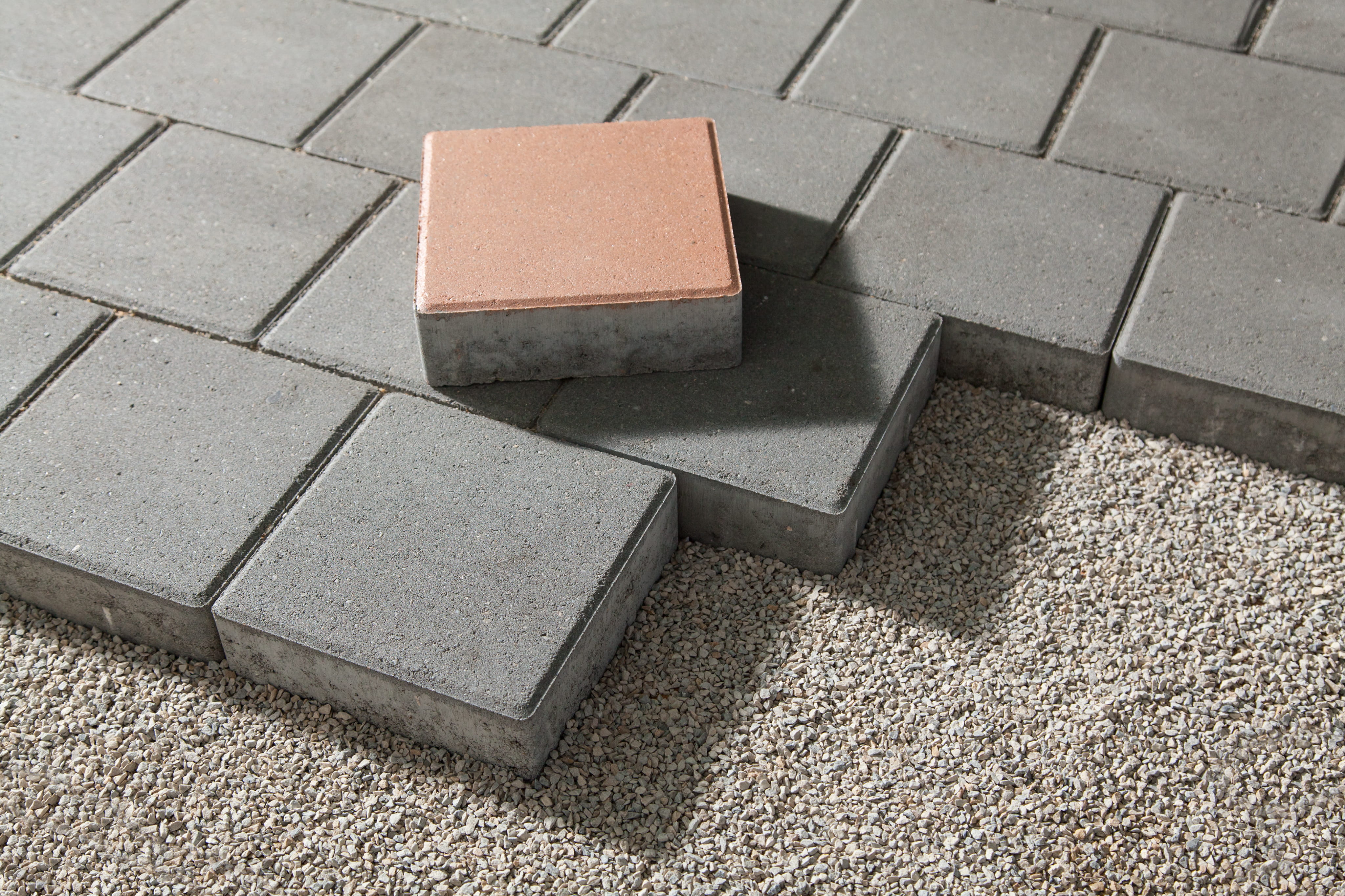
A paver patio is an outdoor surface built from individual paving units — concrete pavers, natural stone, brick, or similar materials — set on a prepared base. Instead of one continuous surface, a paver patio is a system of interlocking individual pieces that work together to create the finished surface.
How They Compare
Durability and Cracking
This is where the biggest practical difference between the two options shows up — and it's especially relevant in Central Texas.
Austin soil expands when wet and contracts when dry. This movement is particularly pronounced in clay-heavy soil, which is common throughout many parts of the Austin area. Poured concrete, as a single rigid surface, has no ability to flex with this ground movement. Over time — sometimes within just a few years — the soil movement causes concrete slabs to crack. Once concrete cracks, those cracks tend to spread and worsen with each subsequent wet and dry cycle.
Paver patios handle ground movement fundamentally differently. Because they're made up of individual units rather than a single rigid surface, they can flex slightly with ground movement without cracking. Individual pavers may shift marginally over time, but they don't crack the way concrete does. And if a paver ever does get damaged, it can be replaced individually without affecting the rest of the surface.
In Central Texas's climate, with its significant soil movement and occasional freeze-thaw cycles, pavers are simply more durable than poured concrete over the long term.
Repairability
Poured concrete: When a concrete slab cracks or a section settles unevenly, repairing it is messy and rarely invisible. Concrete patches never quite match the original surface, leaving a repair that's always visible. Major damage often requires tearing out a significant portion of the slab.
Paver patio: Individual pavers can be removed and replaced. If a paver is damaged or a section settles, the affected pavers are lifted, the base is corrected, and the pavers are reset. Done well, the repair is essentially invisible. This repairability is a significant long-term advantage for paver patios.
Appearance and Design Options
Poured concrete: The standard gray concrete slab has a utilitarian look that's functional but not particularly attractive. Stamped concrete — concrete impressed with patterns to mimic stone or brick — offers more visual interest but still carries the cracking risks of standard concrete, and stamped patterns can fade and wear unevenly over time.
Paver patios: The design flexibility of pavers is one of their strongest selling points. Pavers are available in dozens of styles, textures, colors, and sizes. They can be laid in multiple patterns — running bond, herringbone, basketweave, and more. Natural stone options like flagstone and limestone add authentic organic character. Modern large-format pavers create clean, contemporary aesthetics. Whatever style you're going for, there's a paver option that fits.
Cost
Poured concrete: Generally less expensive upfront than a paver patio. This is one of the primary reasons concrete slabs remain common despite their limitations.
Paver patios: Higher initial cost than poured concrete in most cases. However, when you factor in the longer lifespan, better repairability, and the likelihood that a concrete slab will need replacement before a well-built paver patio does, the long-term cost picture often favors pavers.
Property Value and Curb Appeal
Poured concrete: A basic concrete slab adds functionality but relatively little in the way of curb appeal or perceived value. Cracked or stained concrete can actually detract from a property's appearance.
Paver patios: Consistently seen by buyers and appraisers as a premium feature. A well-designed paver patio in good condition adds meaningfully to a home's curb appeal and perceived value in a way that a standard concrete slab does not.
The Verdict for Austin Homeowners
For most Austin homeowners, a paver patio is the better long-term choice. The superior durability in Central Texas's climate, the repairability advantage, the wider design options, and the stronger curb appeal impact all favor pavers. The higher upfront cost is real, but it's a cost that's justified by the long-term performance difference.
The exception might be a very budget-constrained project where the priority is simply having an outdoor surface as affordably as possible. In that scenario, concrete is a functional option. But for homeowners who are investing in their outdoor space and want a result that holds up and looks great for years, pavers are worth the difference.

Ready to invest in an outdoor surface that will serve you well for decades? Reach out for a free estimate and let's get started.


find us on


