
Blog
Paver Patio Design That Creates a Durable, Comfortable Outdoor Gathering Space
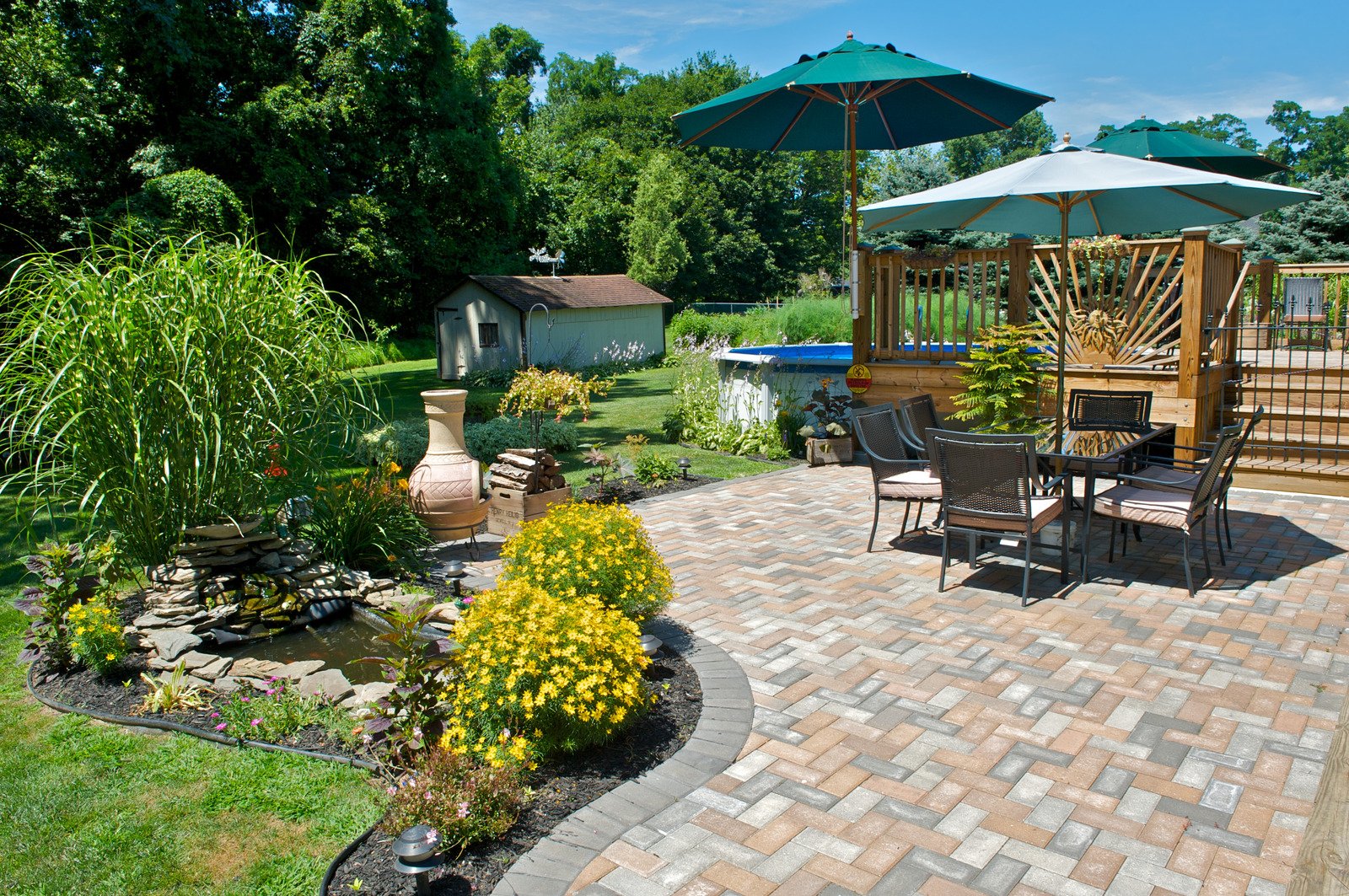
Why Paver Patio Design Matters as Much as Installation
A paver patio isn’t just a surface—it’s a space meant for gathering, relaxing, and daily use. Even high-quality pavers can fail to perform if the patio isn’t designed around how the space will be used. Poor layout, awkward sizing, and lack of planning often lead to discomfort and premature wear.
Paver patio design focuses on creating a layout that supports real-life use while maintaining long-term durability.
Common Problems Caused by Poor Patio Design
When design is rushed or skipped, patios often feel underwhelming or problematic.
Common issues include:
- Patios that feel too small or cramped
- Furniture layouts that don’t work
- Poor drainage across the surface
- High-traffic areas breaking down early
- Awkward transitions to surrounding areas
These problems usually come from layout decisions—not materials.
Designing Paver Patios Around How They’ll Be Used
Great patio design starts with understanding how the space will function day to day. Seating, movement, and access points should all be considered before installation begins.
Use-focused design:
- Allows room for furniture and movement
- Prevents congestion
- Improves comfort during gatherings
Designing for use improves enjoyment.
Choosing the Right Size and Shape
Patios that are too small limit usability, while oversized patios can feel empty and disconnected. Design balances size with purpose.
Proper sizing:
- Supports furniture layouts
- Maintains visual balance
- Keeps the patio connected to the yard
Right-sized patios feel intentional.
Planning for Traffic and Movement
People move through patios constantly—entering, exiting, and circulating during gatherings. Design accounts for these movement patterns.
Traffic-aware design:
- Prevents bottlenecks
- Reduces edge wear
- Improves overall flow
Movement planning protects durability.
Managing Drainage Through Smart Design
Water movement is one of the most important design considerations. Poorly designed patios often collect water or direct it toward unwanted areas.
Drainage-aware patio design:
- Uses proper slope
- Prevents pooling
- Protects the paver base
Dry patios last longer.
Designing Edges and Transitions Carefully
Patio edges experience the most stress. Design ensures edges are supported and transitions feel natural.
Strong edge design:
- Prevents spreading or shifting
- Improves safety
- Enhances appearance
Edges matter more than most realize.
Integrating the Patio With Landscaping
A patio should feel like part of the landscape—not a separate slab. Design integrates plantings, grading, and surrounding features.
Integrated design:
- Softens transitions
- Improves curb appeal
- Creates cohesive outdoor spaces
Blending improves the experience.
Balancing Open Space With Defined Zones
Some patios serve multiple purposes. Design helps define zones within the patio without closing it off.
Zone-aware design:
- Separates seating and movement
- Improves usability
- Maintains flexibility
Defined spaces work better.
Designing for Long-Term Durability
Design choices directly impact how long a patio lasts. High-use areas must be reinforced, and layouts must account for wear.
Durability-focused design:
- Concentrates stress where it’s expected
- Reduces maintenance
- Extends lifespan
Design protects investment.
Supporting Future Changes or Expansions
Good patio design leaves room for future adjustments. Whether adding features later or expanding the space, planning ahead matters.
Future-ready design:
- Preserves layout flexibility
- Avoids demolition
- Supports phased upgrades
Planning ahead saves money.
Avoiding Costly Redesigns Later
Many patios are rebuilt because they were never designed properly. A strong design prevents regret and rework.
Design prevents:
- Relocation of features
- Drainage corrections
- Size or layout changes
Planning once is more efficient.
Why Professional Paver Patio Design Makes the Difference
Professional design considers layout, drainage, traffic, and long-term use together. DIY patio layouts often focus only on appearance.
Professional paver patio design provides:
- Purpose-driven layouts
- Better long-term performance
- Improved comfort and durability
Experience turns patios into living spaces.

Is Your Patio Designed to Be Used—or Just Looked At?
If your patio feels awkward, uncomfortable, or hard to maintain, design may be the missing element. With professional planning, paver patios become functional, durable gathering spaces built for everyday use.
Contact Twelve Point Landscaping today to schedule a free estimate and explore paver patio design and installation services that create comfortable, long-lasting outdoor living spaces.



find us on


