
Blog
Outdoor Lighting Design Strategies That Improve Safety, Flow, and Nighttime Appeal
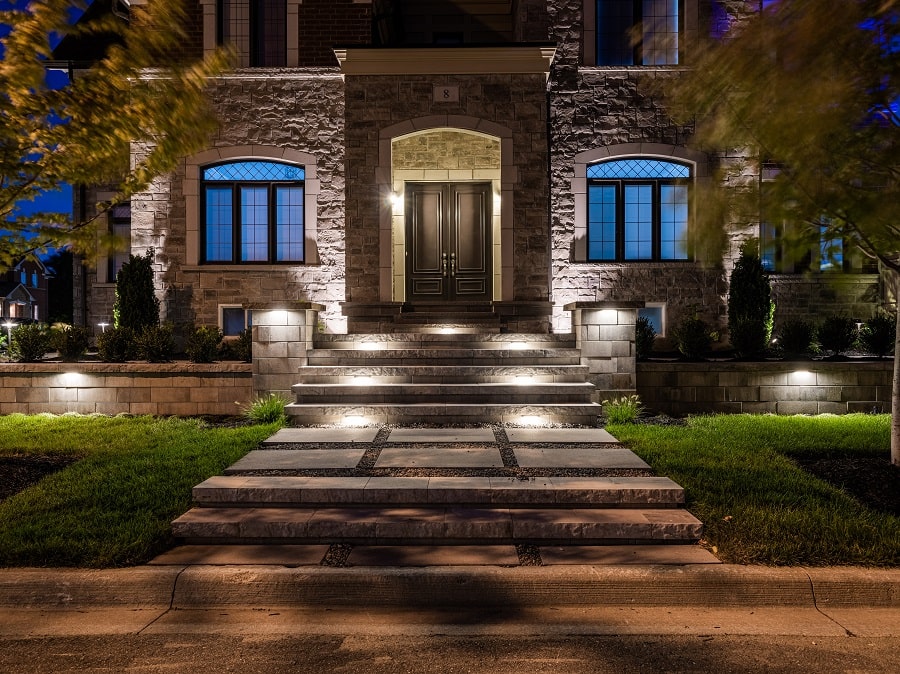
Why Outdoor Lighting Needs a Design Strategy
Installing lights without a plan often leads to glare, dark zones, and uneven coverage. Outdoor lighting works best when it’s designed intentionally—considering movement, visibility, and how the space is used after dark.
Outdoor lighting design strategies focus on placing the right light in the right location to improve safety, usability, and visual appeal without overwhelming the space.
Common Problems With Poorly Planned Outdoor Lighting
When lighting is added without strategy, issues become obvious at night.
Common problems include:
- Overly bright areas next to dark zones
- Glare that disrupts visibility
- Poorly lit walkways and steps
- Lighting that feels harsh or unbalanced
- Fixtures that distract instead of enhance
These problems are usually the result of placement—not the fixtures themselves.
Designing Lighting Around How People Move
Outdoor lighting should guide movement naturally. Design strategies prioritize visibility where people walk, gather, and transition between spaces.
Movement-focused lighting:
- Illuminates walkways and steps
- Defines entry points
- Improves navigation after dark
Lighting should support how spaces are used.
Layering Light for Balanced Visibility
Effective outdoor lighting uses layers instead of relying on one type of fixture.
Layered lighting includes:
- Path lighting for movement
- Accent lighting for features
- Ambient lighting for overall visibility
Layering creates depth and balance without harsh brightness.
Improving Safety With Strategic Placement
Safety is one of the most important goals of outdoor lighting. Strategic placement reduces trip hazards and improves awareness.
Safety-driven lighting:
- Highlights elevation changes
- Improves visibility near transitions
- Reduces shadowed areas
Well-lit spaces are safer spaces.
Enhancing Outdoor Living Areas After Dark
Outdoor spaces shouldn’t disappear at sunset. Lighting design extends the usability of patios, seating areas, and gathering spaces.
Living-space lighting:
- Improves comfort
- Supports evening use
- Enhances social spaces
Design keeps outdoor areas functional at night.
Using Lighting to Create Visual Flow
Lighting can guide the eye just as much as it guides movement. Design strategies create a visual path through the landscape.
Visual-flow benefits include:
- Improved cohesion
- Highlighted focal points
- Clear transitions between zones
Flow makes spaces feel intentional.
Avoiding Overlighting and Visual Clutter
More light doesn’t always mean better visibility. Overlighting can flatten the landscape and reduce comfort.
Balanced lighting design:
- Limits unnecessary fixtures
- Prevents harsh brightness
- Preserves nighttime ambiance
Subtle lighting creates better results.
Integrating Lighting With Landscaping Features
Outdoor lighting should feel like part of the landscape—not an add-on. Design integrates fixtures with plantings, hardscapes, and grading.
Integrated lighting:
- Preserves daytime aesthetics
- Enhances nighttime appeal
- Reduces visible wiring and clutter
Integration improves overall design.
Managing Shadows and Contrast
Shadows can either enhance or hinder visibility. Lighting design controls contrast so shadows add depth without creating hazards.
Shadow-aware design:
- Softens harsh contrasts
- Improves visibility
- Adds visual interest
Controlled contrast improves comfort.
Designing Lighting That Complements Hardscaping
Hardscapes like patios, walkways, and retaining features benefit from thoughtful lighting placement.
Hardscape-focused lighting:
- Defines edges
- Improves surface visibility
- Enhances nighttime safety
Lighting reinforces structure after dark.
Planning for Durability and Maintenance
Outdoor lighting must perform reliably in changing weather conditions. Design considers durability and accessibility.
Maintenance-friendly design:
- Protects wiring
- Uses durable fixture placement
- Reduces repair needs
Planning ahead reduces future issues.
Supporting Energy Efficiency Through Smart Design
Strategic lighting design reduces unnecessary usage by placing lights only where they’re needed.
Efficiency benefits include:
- Reduced energy consumption
- Longer fixture lifespan
- Lower operating costs
Smarter design saves resources.
Why Professional Outdoor Lighting Design Makes the Difference
Effective lighting design requires experience with placement, balance, and property-wide planning. DIY installations often miss key safety and performance details.
Professional outdoor lighting design provides:
- Strategic placement
- Balanced illumination
- Long-term reliability
Experience ensures lighting performs as intended.

Is Your Outdoor Space Hard to Navigate After Dark?
If your property feels unsafe, unevenly lit, or unusable at night, a lighting design strategy may be the missing piece. With professional planning, outdoor spaces become safer, more inviting, and visually appealing after sunset.
Contact Twelve Point Landscaping today to schedule a free estimate and explore outdoor lighting design solutions that improve safety, flow, and nighttime enjoyment across your property.



find us on


