
Blog
Natural Stone vs. Concrete Pavers — Which Is Better for Your Austin Hardscape?
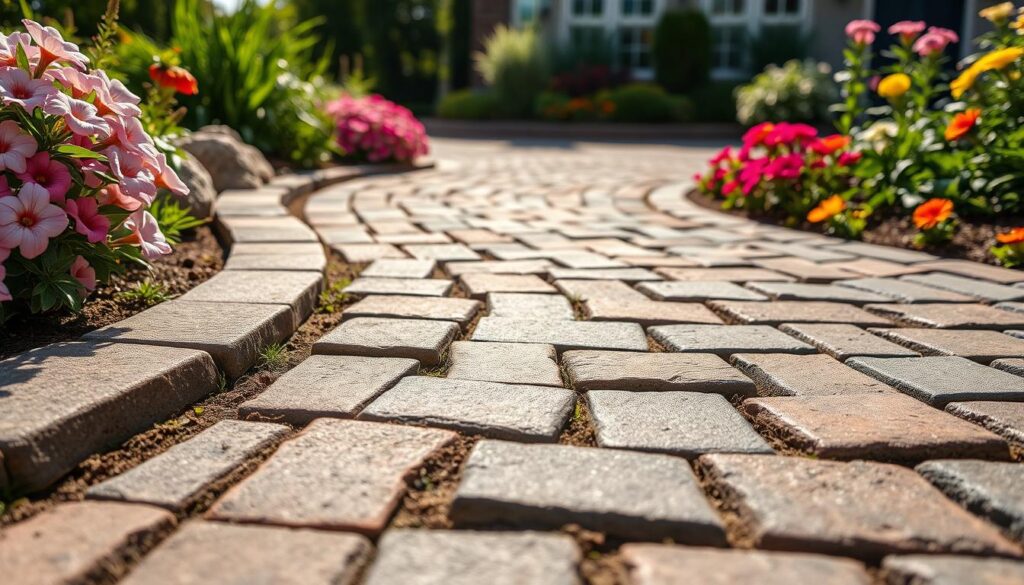
If you're planning a hardscaping project in Austin — whether it's a patio, a walkway, a retaining wall, or a combination — one of the first decisions you'll face is material selection. And for most homeowners, the debate comes down to two main options: natural stone or concrete pavers.
Both are popular choices in Central Texas. Both hold up well in Austin's climate. Both can look incredible when done right. But they're not interchangeable — each has distinct advantages, limitations, and situations where it performs best. Here's a side-by-side breakdown to help you decide which is the right fit for your Austin hardscaping project.
Natural Stone: The Case for Going Organic
Natural stone — limestone, flagstone, sandstone, and similar options — is exactly what it sounds like: stone that's been quarried and cut directly from the earth. It's been used in outdoor construction for thousands of years, and for good reason. Nothing else quite replicates the look and feel of real stone.
In Austin and throughout the Hill Country, natural stone has a particularly strong aesthetic case. The region's rocky, rugged landscape means natural stone looks like it belongs here. Limestone in particular is native to Central Texas and blends seamlessly with the environment in a way that manufactured materials simply don't.
Advantages of Natural Stone
Every piece is unique. Natural variation in color, texture, and pattern means no two stone installations look exactly the same. This gives your hardscape a one-of-a-kind, organic quality. It ages beautifully. Natural stone doesn't fade or discolor the way some manufactured materials can. Over time, it develops a patina that actually enhances its appearance. It's heat-tolerant. This matters in Austin, where summer temperatures regularly push into the triple digits. Natural stone absorbs and releases heat in ways that can make surfaces more comfortable underfoot than some alternatives. Strong resale and curb appeal. Natural stone is widely perceived as a premium material, and it shows in how buyers and appraisers respond to it.
Limitations of Natural Stone
Higher cost. Natural stone is typically more expensive than concrete pavers, both in material cost and labor due to the complexity of cutting and fitting irregular pieces. More difficult to repair. If a section of natural stone gets damaged, matching the exact material and color can be challenging. Less uniformity. If you prefer a very clean, precise, geometric look, natural stone's irregularity may not be what you're after.
Concrete Pavers: The Case for Engineered Precision
Concrete pavers are manufactured units — typically made from a dense concrete mix and produced in consistent shapes, sizes, and colors. They've become one of the most popular hardscaping materials in Austin and across the country, and it's easy to see why.
Advantages of Concrete Pavers
Consistency and precision. If you want clean lines, uniform sizing, and a structured geometric pattern, concrete pavers deliver that in a way natural stone can't. Wide range of styles. Modern paver manufacturing has gotten incredibly sophisticated. There are pavers designed to mimic the look of natural stone, brick, wood, and more — at a lower price point. Easier to repair. If a single paver gets damaged, it can be removed and replaced without affecting the surrounding installation. This is a significant long-term advantage. Generally lower cost. Concrete pavers are typically less expensive than natural stone, which gives you more flexibility in project scope and size. Durable and consistent performance. Quality concrete pavers hold up well in Austin's heat and freeze-thaw cycles (limited as they are in Central Texas).
Limitations of Concrete Pavers
Can fade over time. Depending on the quality of the paver and the amount of UV exposure, color may fade over several years. Can feel manufactured. Even the best pavers designed to mimic stone don't quite replicate the real thing. For homeowners who want authentic natural material, this matters.
Which One Is Right for Your Yard?
Here's a simple way to think about it:
Choose natural stone if you want a premium, organic, one-of-a-kind look and are willing to invest more in material and labor. It's especially compelling for homes in Austin's Hill Country-adjacent neighborhoods where the landscape aesthetic calls for it.
Choose concrete pavers if you want a clean, precise look at a more accessible price point, value easy repairability, or are working with a larger area where material cost is a significant factor.
In some projects, the answer is both. Natural stone might be used for accent features or focal areas, while concrete pavers handle the main patio surface or walkways. A thoughtful design can combine both materials in a way that plays to the strengths of each.

At Twelve Point Landscaping, we work with homeowners throughout Austin, Dripping Springs, Bee Cave, Lakeway, and Central Texas to plan and build hardscaping that looks great and holds up over time. Whether you're drawn to the organic character of natural stone or the clean precision of concrete pavers, we'll help you make a choice you'll be happy with for years.



find us on


