
Blog
Mulch vs. Rock — Which Ground Cover Is Right for Your Landscape Beds
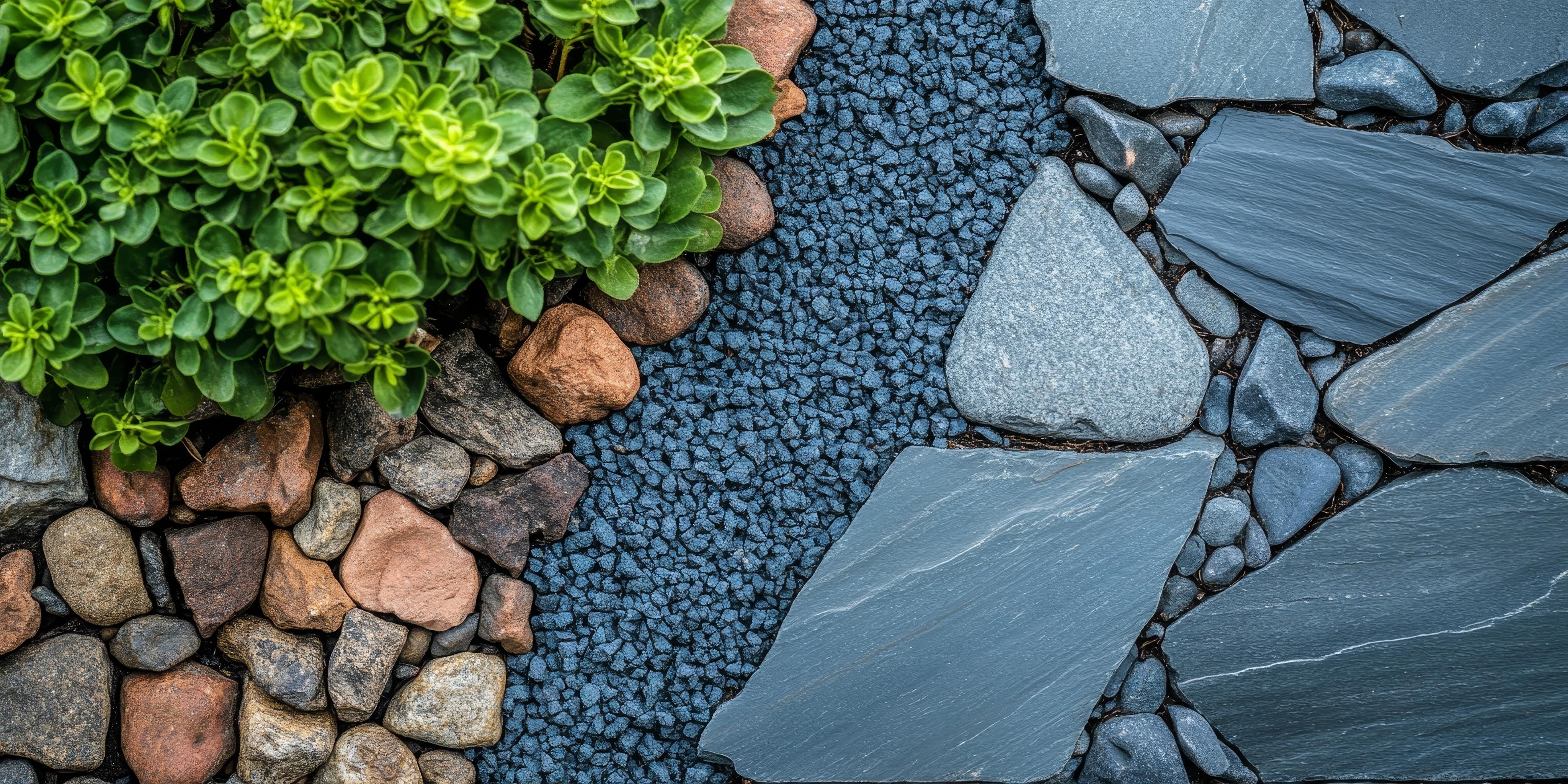
Walk through any Austin neighborhood and you'll see both approaches — some yards with rich, dark mulch in their planting beds, others with decorative rock or crushed granite. Both look great when done well. Both serve important purposes in the landscape. But they're not interchangeable, and the choice you make for your beds affects not just how your yard looks but how it performs — how well your plants grow, how much maintenance it requires, and how much you spend maintaining it year over year.
At Twelve Point Landscaping, we install both mulch and decorative rock for homeowners throughout Austin, Dripping Springs, Bee Cave, Lakeway, and Central Texas. Here's a straightforward comparison so you can decide which is right for your yard.
What Mulch Does for Your Landscape
Mulch is an organic material — typically shredded wood, bark chips, or similar plant-based material — spread over the soil surface in planting beds. It's been a landscaping staple for good reason. Mulch does several things simultaneously that benefit your plants and reduce your workload:
Retains Soil Moisture — This is mulch's most important function in Austin's climate. A three to four inch layer of mulch dramatically slows water evaporation from the soil surface, keeping the root zone of your plants consistently moist with less irrigation. In a climate where summer drought is common and water bills are a real concern, mulch is one of the most practical tools available.
Moderates Soil Temperature — Mulch insulates the soil against Austin's temperature extremes — keeping it cooler in summer heat and warmer during occasional winter cold snaps. This temperature moderation reduces stress on plant root systems and supports healthier, more consistent growth.
Suppresses Weeds — A sufficiently thick layer of mulch blocks light from reaching the soil surface, suppressing weed seed germination. It won't eliminate weeds entirely, but it significantly reduces the weed pressure in a mulched bed compared to bare soil.
Improves Soil Health — As organic mulch breaks down over time, it adds organic matter to the soil, improving its structure, drainage, and fertility. This is a long-term benefit that rock and synthetic ground covers don't provide.
Aesthetic Appeal — Fresh, dark mulch gives planting beds a clean, finished appearance that makes the whole yard look more intentional and cared for. The contrast between dark mulch and green plants or colorful flowers is one of the most universally attractive landscape combinations.
Limitations of Mulch
Mulch breaks down over time and needs to be refreshed. Most Austin landscapes need fresh mulch every one to two years to maintain an appropriate depth and appearance. This is an ongoing cost — both in materials and in installation labor — that rock doesn't require. Mulch can also wash or blow out of beds during heavy rain or wind events, particularly on slopes, which can be frustrating and requires periodic redistribution.
What Decorative Rock Does for Your Landscape
Decorative rock — crushed granite, river rock, limestone gravel, decomposed granite, and similar materials — is an increasingly popular ground cover choice in Austin and Central Texas landscapes. It offers a distinctly different set of characteristics from mulch:
Permanent and Low-Maintenance — Unlike mulch, decorative rock doesn't break down and doesn't need to be replaced. Once installed, it stays in place essentially indefinitely, eliminating the recurring cost and effort of mulch replacement. For homeowners who want to reduce ongoing landscape maintenance, this is a significant advantage.
Excellent Drainage — Rock allows water to percolate through quickly and doesn't retain moisture the way mulch does. This is an advantage in areas with poor drainage or in plantings where excessive moisture could be a problem. It's also better for succulents, agaves, and other plants that prefer dry conditions.
Heat Resistance — Rock doesn't blow away in wind or wash out in heavy rain the way mulch can. It stays where it's placed regardless of weather conditions.
Contemporary Aesthetic — Decorative rock has become increasingly popular in Central Texas because it fits the regional landscape aesthetic — particularly crushed granite and limestone gravel, which are native to the area. Rock-mulched beds have a clean, contemporary look that works especially well in modern or xeric landscape designs.
Xeric and Low-Water Landscaping — For homeowners designing drought-tolerant, low-water landscapes, rock ground cover is particularly appropriate. Native Texas plants that prefer lean, dry conditions often perform better in rock-mulched beds than in organic mulch.
Limitations of Decorative Rock
Rock doesn't improve soil health the way organic mulch does — it's inert and provides no nutritional benefit to the soil over time. It also retains and radiates heat more than mulch, which can stress plants in areas of full sun during Austin's hottest months. The soil surface under a rock mulch can become compacted over time, which may affect drainage and root penetration. Rock beds are also more difficult to plant into for future additions — moving rock to plant is more work than moving mulch.
Which Is Right for Your Yard?
Here's a simple framework for deciding:
Choose mulch when: You have a variety of plants — particularly flowering perennials and shrubs — that benefit from consistent soil moisture. You want to improve soil health over time. You have a more traditional or lush landscape aesthetic. Your planting beds are on relatively flat ground where mulch stays in place well.
Choose decorative rock when: You want to minimize ongoing maintenance and eliminate the need for regular replacement. You're designing a xeric or low-water landscape with drought-tolerant natives and succulents. You prefer the clean, contemporary aesthetic of a rock-mulched bed. You have areas with drainage challenges where retained moisture would be problematic.
Consider combining both: Many of the most attractive Austin landscapes use both — organic mulch in beds with moisture-loving plants and around trees, decorative rock in pathways, transition areas, and beds with drought-tolerant succulents and native plants. The combination creates visual variety and allows each material to be used where it performs best.
Installation Matters
Regardless of which ground cover you choose, proper installation makes a significant difference in how well it performs. For mulch, proper depth — three to four inches — is essential for effective moisture retention and weed suppression. Too thin and it dries out quickly and doesn't suppress weeds effectively. For rock, proper edging and a landscape fabric consideration (used selectively and correctly) help keep rock in place and minimize weed intrusion from below.

At Twelve Point Landscaping, we install both mulch and decorative rock as part of landscape installations throughout Austin, Dripping Springs, Bee Cave, Lakeway, and Central Texas. We help homeowners select the right ground cover for their specific plants, aesthetic, and maintenance preferences — and install it correctly for the best long-term performance.
Ready to refresh your landscape beds or plan a new installation? Reach out for a free estimate and let's talk about what your yard needs.


find us on


