
Blog
Low Maintenance Landscaping Ideas That Actually Look Great
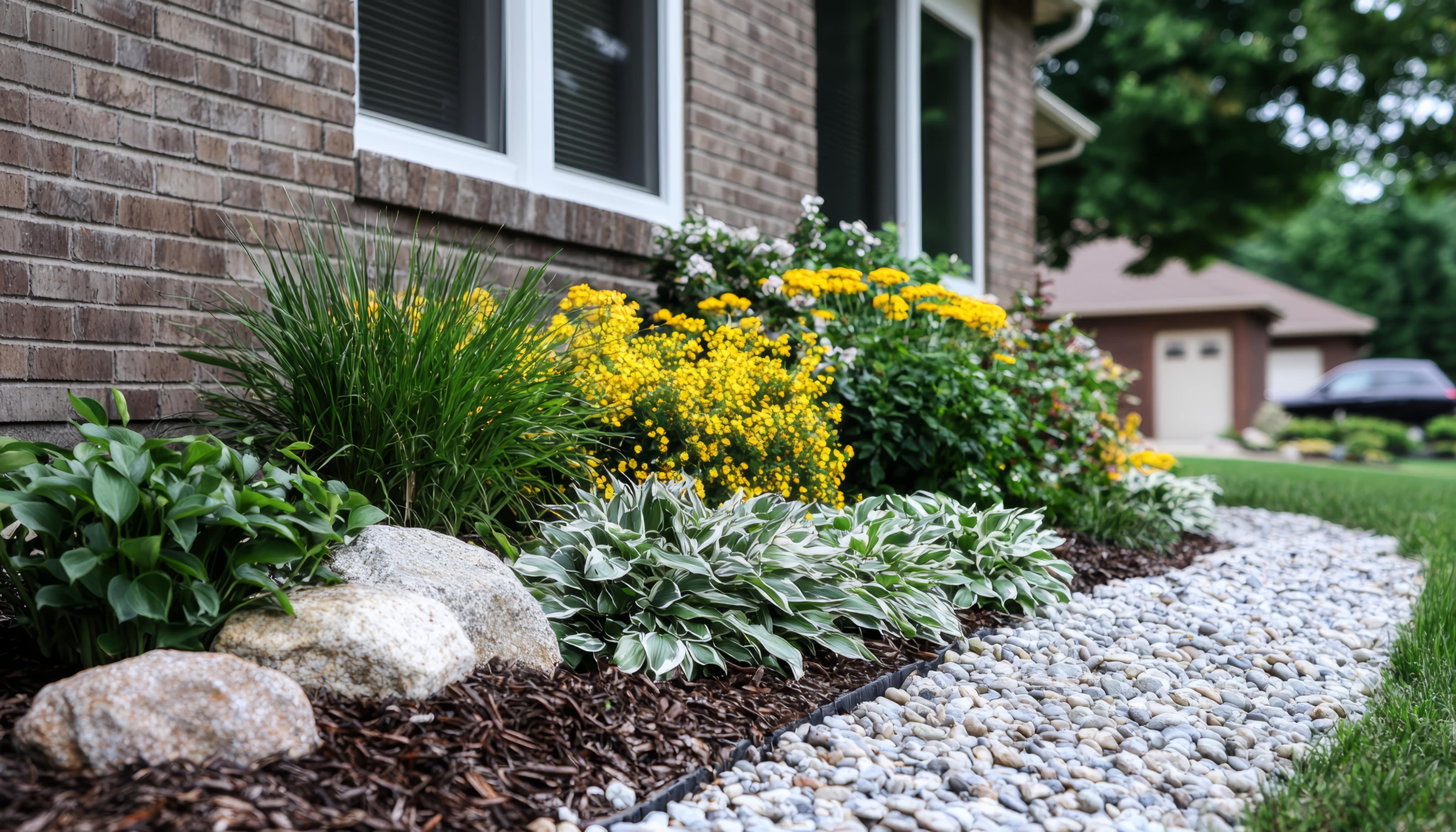
Not every homeowner wants to spend their weekends maintaining a yard. Some people love gardening and outdoor work — and that's great. But plenty of Austin homeowners want an outdoor space that looks genuinely attractive without demanding constant attention. If you're in that second camp, the good news is that low-maintenance landscaping is completely achievable — and in Central Texas, it's actually easier than in many other parts of the country because the region's native and adapted plants are built for exactly this kind of hands-off approach.
The key is making the right decisions upfront. Low-maintenance landscaping isn't about doing less work at installation — it's about making smart choices at the design and plant-selection stage that reduce the work required to keep things looking good over time. At Twelve Point Landscaping, we design and install low-maintenance landscapes for homeowners throughout Austin, Dripping Springs, Bee Cave, Lakeway, and Central Texas. Here's what works.
Start With the Right Plants
Plant selection is the single most important factor in how much maintenance a landscape requires. Plants that aren't suited to Austin's climate — that need more water than the region reliably provides, that struggle in the heat, or that require frequent pruning to stay in bounds — are high-maintenance by definition. Plants that are native to Central Texas or well-adapted to its conditions are low-maintenance by nature.
Here are the plant categories that form the foundation of any truly low-maintenance Austin landscape:
Texas Native Plants — Native plants are adapted to local rainfall patterns, soil conditions, and temperature extremes. Once established, most Texas natives require little to no supplemental irrigation, no fertilizing, and minimal pruning. They look like they belong in the landscape because they do. Texas sage, turk's cap, inland sea oats, Texas mountain laurel, and native salvias are all excellent low-maintenance choices for Austin yards.
Drought-Tolerant Perennials — Plants like lantana, black-eyed Susan, salvia, and autumn sage bloom prolifically through the heat of an Austin summer with very little water once established. They come back year after year without replanting, and most require only a seasonal cutback to stay tidy.
Ornamental Grasses — Gulf muhly, lindheimer's muhly, and similar ornamental grasses are among the lowest-maintenance plants available for Austin landscapes. They require almost no water once established, look attractive in every season, and need only an annual cutback in late winter. The fall show from gulf muhly's pink-purple plumes is one of the most striking natural displays in any Austin landscape.
Evergreen Shrubs — Dwarf yaupon holly, wax myrtle, and similar evergreen shrubs provide year-round structure with minimal care. They don't need frequent pruning, they handle Austin's heat well, and they stay green and attractive through every season.
Agaves and Succulents — For the absolute lowest water requirement, agaves and similar succulents are nearly indestructible once established. They add bold architectural form and require almost no care beyond occasional removal of dead leaves.
Replace High-Maintenance Lawn Areas
Traditional lawn grass is actually one of the most maintenance-intensive elements of any yard — it needs regular mowing, periodic fertilizing, weed control, and consistent irrigation to stay looking its best. For homeowners who want to reduce maintenance, reducing the amount of lawn and replacing it with lower-maintenance alternatives is one of the most effective strategies.
Options for reducing lawn maintenance in Austin landscapes include:
Mulched planting beds — Converting lawn areas to mulched planting beds with low-maintenance native plants eliminates the mowing and irrigation those areas required. A well-mulched bed with the right plants requires almost no ongoing care.
Decorative rock — Crushed granite, river rock, and similar materials used in place of lawn or mulch in bed areas require essentially zero maintenance. They don't decompose, don't need to be replaced annually, and never need watering.
Buffalo grass — If you do want a lawn but want the lowest-maintenance option available, buffalo grass is native to Texas and requires significantly less water and mowing than St. Augustine or Bermuda. It has a more natural, meadow-like appearance but is virtually care-free once established.
Ground covers — Low-growing spreading plants like frogfruit, horseherb, and similar native ground covers can replace lawn in areas where grass is difficult to maintain — deep shade, slopes, or areas with poor soil. They spread to fill the space, suppress weeds, and require far less care than a lawn.
Use Mulch Generously
Mulch is one of the most powerful tools in a low-maintenance landscape. A generous layer of mulch in all planting beds does several things simultaneously: it retains soil moisture so plants need less frequent watering, it moderates soil temperature which reduces heat stress on plant roots, it suppresses weed growth which reduces maintenance, and it gives the landscape a clean, finished appearance that makes everything look more intentional.
In Austin's climate, a three to four inch layer of mulch in planting beds makes a meaningful difference in plant health and maintenance requirements. Fresh mulch applied at installation and refreshed periodically is one of the most cost-effective things you can do for a low-maintenance landscape.
Choose Hardscaping Over High-Maintenance Features
Hardscaping — patios, walkways, decorative rock areas, retaining walls — is inherently low-maintenance. Once properly installed, paver patios and stone walkways require almost nothing to keep them looking good. They don't need watering, fertilizing, or mowing. Occasional sweeping and periodic joint sand replacement are the extent of most paver maintenance.
For homeowners who want a beautiful outdoor space with minimal upkeep, maximizing the proportion of hardscaping relative to high-maintenance lawn and planting is a smart strategy. A large paver patio, a decorative rock garden, a boulder wall with ground covers tucked between the stones — these elements create a visually interesting, attractive outdoor space that essentially takes care of itself.
Install an Irrigation System
If you do have lawn and planting beds, a properly designed irrigation system dramatically reduces the maintenance burden. Instead of hand-watering or moving hoses, a timer-controlled drip irrigation system waters your plants on a schedule without any effort on your part. For low-maintenance landscaping, irrigation isn't optional — it's infrastructure.
Drip irrigation is particularly effective for planting beds because it delivers water directly to root zones rather than broadcasting it across the surface, which reduces water use and weed germination simultaneously.
Design for Low Maintenance From the Start
The most important thing we can say about low-maintenance landscaping is this: it has to be designed that way from the beginning. A landscape that becomes low-maintenance over time because the right plants were selected, properly spaced, and installed with good site prep is a very different thing from a landscape that was installed without regard for maintenance and then neglected until it looks rough.

At Twelve Point Landscaping, we design landscapes around our clients' actual lifestyles — including their maintenance preferences. If you want a yard that looks great without demanding constant attention, we design for that outcome from the first conversation. We serve homeowners throughout Austin, Dripping Springs, Bee Cave, Lakeway, and Central Texas.
Ready for a yard that looks great and stays that way? Reach out for a free estimate and let's talk about what a low-maintenance landscape could look like for your property.


find us on


