
Blog
Landscaping That Keeps Soil in Place on Sloped and Eroding Yards
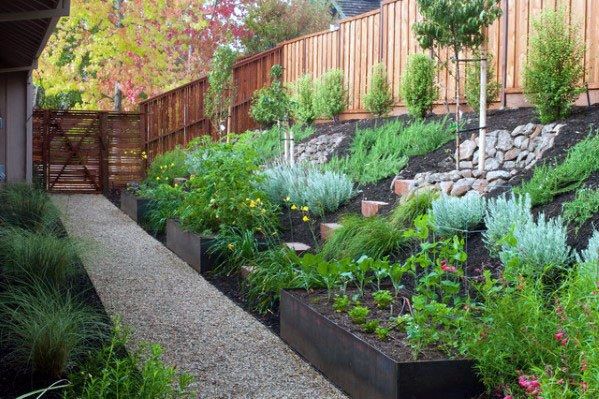
Why Soil Loss Is a Major Problem on Sloped Properties
Sloped yards naturally experience more water movement, which makes soil retention a constant challenge. When soil shifts or washes away, plants struggle to establish, roots become exposed, and the overall stability of the yard declines.
Landscaping for soil retention focuses on keeping soil where it belongs—supporting plant health, preventing erosion, and protecting the long-term integrity of the property.
Common Signs of Poor Soil Retention
Soil loss often starts gradually before becoming a visible issue. Recognizing early signs helps prevent extensive damage.
Common indicators include:
- Bare patches forming on slopes
- Exposed roots
- Soil collecting at the base of the yard
- Washed-out planting beds
- Uneven ground after rain
These signs usually point to layouts that aren’t supporting the slope properly.
How Landscaping Helps Hold Soil in Place
Professional landscaping uses layout, spacing, and structural support to stabilize soil. Instead of fighting gravity, slope-friendly landscaping works with it.
Soil-retention landscaping may include:
- Strategic plant placement
- Layered planting layouts
- Reinforced landscape zones
- Controlled water movement
These solutions work together to reduce soil displacement.
Using Plant Roots to Improve Stability
Plants play a major role in soil retention. When placed correctly, root systems help bind soil together and prevent erosion.
Landscaping focuses on:
- Grouping plants for stronger root networks
- Spacing plants to allow mature growth
- Reducing exposed soil between plantings
Healthy roots are one of the most effective natural erosion controls.
Reducing Runoff With Smart Layouts
Water runoff is one of the biggest contributors to soil loss. Landscaping layouts slow water down so it can absorb rather than wash soil away.
Runoff control helps:
- Protect planting beds
- Reduce erosion channels
- Preserve soil structure
Slower water movement means better soil retention.
Protecting Slopes During Heavy Rainfall
Heavy rainfall puts sloped yards at the highest risk. Landscaping designed for soil retention reinforces vulnerable areas before damage occurs.
Rain-ready landscaping:
- Stabilizes loose soil
- Supports plant establishment
- Protects against washouts
Preparation prevents repeated repairs.
Blending Soil Retention With Visual Appeal
Soil retention doesn’t have to look utilitarian. Professional landscaping integrates retention strategies seamlessly into the overall design.
Well-designed slopes:
- Look intentional and structured
- Add depth and visual interest
- Blend naturally into the landscape
Function and appearance work together.
Reducing Long-Term Maintenance on Slopes
Without proper soil retention, sloped yards often require frequent replanting and erosion repair. Landscaping built for retention reduces these ongoing issues.
Long-term benefits include:
- Fewer washouts
- Healthier plants
- Reduced maintenance needs
Stable slopes stay intact with less effort.
Why Professional Landscaping Is Essential for Soil Retention
DIY slope fixes often fail to address how soil, water, and roots interact over time. Professional landscaping considers all factors to create lasting solutions.
Professional services provide:
- Erosion-conscious layouts
- Proper spacing and grading
- Long-term slope stability
Experience ensures soil retention strategies work as intended.

Is Soil Loss Affecting Your Sloped Yard?
If erosion or shifting soil is affecting your property, professional landscaping can help restore stability and protect your yard long-term. With the right approach, slopes can remain healthy, secure, and visually appealing.
Contact Twelve Point Landscaping today to schedule a free estimate and explore landscaping solutions designed to retain soil, prevent erosion, and protect sloped yards.



find us on


