
Blog
Landscaping That Integrates Seamlessly With Hardscaping Features
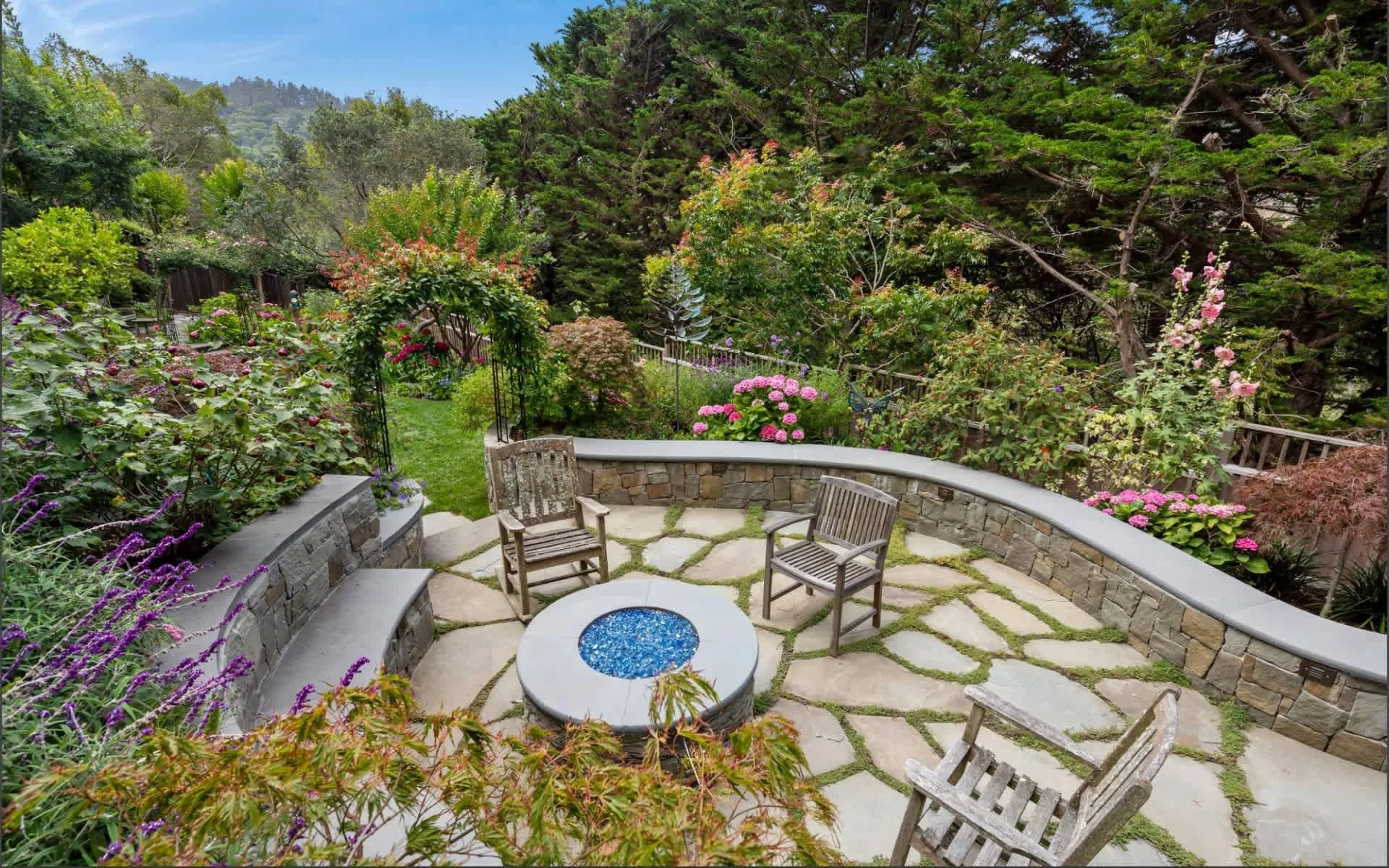
Why Landscaping and Hardscaping Must Work Together
Outdoor spaces often struggle when landscaping and hardscaping are treated as separate projects. Lawns fail near patios, soil erodes along walkways, and plantings suffer around retaining walls. These issues aren’t caused by poor materials—they come from a lack of integration.
Landscaping for balanced hardscape integration ensures soft and hard elements support each other instead of competing.
Common Problems When Integration Is Overlooked
When landscaping isn’t planned around hardscaping, issues develop quickly.
Common problems include:
- Soil erosion near patios and walkways
- Plant damage from runoff
- Uneven settling along hardscape edges
- Drainage conflicts between surfaces
- Increased maintenance around transitions
Integration prevents these failures.
Designing Landscaping to Support Hardscape Edges
Hardscape edges are high-stress areas. Landscaping placed too close or without planning leads to breakdown.
Integrated landscaping:
- Stabilizes soil near edges
- Reduces erosion
- Protects hardscape foundations
Support at the edges extends lifespan.
Managing Drainage Between Hard and Soft Surfaces
Water moves differently across stone and soil. Landscaping designed for integration manages runoff before it becomes a problem.
Drainage-aware integration:
- Directs water away from hardscapes
- Protects plant roots
- Prevents pooling and erosion
Water control keeps everything intact.
Balancing Plant Placement Around Hardscapes
Plants placed too close to hardscapes cause overcrowding and moisture issues. Integrated landscaping accounts for mature growth.
Smart placement:
- Prevents root pressure
- Improves plant health
- Maintains clean hardscape lines
Balance improves performance.
Reducing Maintenance at Transition Zones
Most maintenance issues occur where surfaces meet. Integrated landscaping reinforces these zones.
Benefits include:
- Fewer repairs
- Less soil replacement
- Cleaner edges
Integration lowers long-term upkeep.
Enhancing Visual Flow Between Materials
Integrated landscaping softens hardscape features while keeping layouts clean.
Visual integration:
- Improves curb appeal
- Creates cohesion
- Prevents harsh transitions
Design feels intentional.
Supporting Long-Term Performance
When landscaping and hardscaping work together, both last longer.
Integrated layouts:
- Reduce stress on materials
- Improve durability
- Protect the overall investment
Performance improves across the property.
Why Professional Integration Matters
Balanced integration requires understanding soil behavior, drainage, and spacing.
Professional landscaping provides:
- Coordinated design planning
- Proper spacing and grading
- Long-term performance focus
Experience makes the difference.

Is Your Landscaping Working With—or Against—Your Hardscaping?
If erosion, drainage issues, or constant maintenance appear near hardscape features, integration may be missing.
Contact Twelve Point Landscaping today to schedule a free estimate and explore landscaping solutions designed to integrate seamlessly with hardscaping for improved durability and performance.


find us on


