
Blog
Landscaping That Creates Clearly Defined Zones for Better Outdoor Living
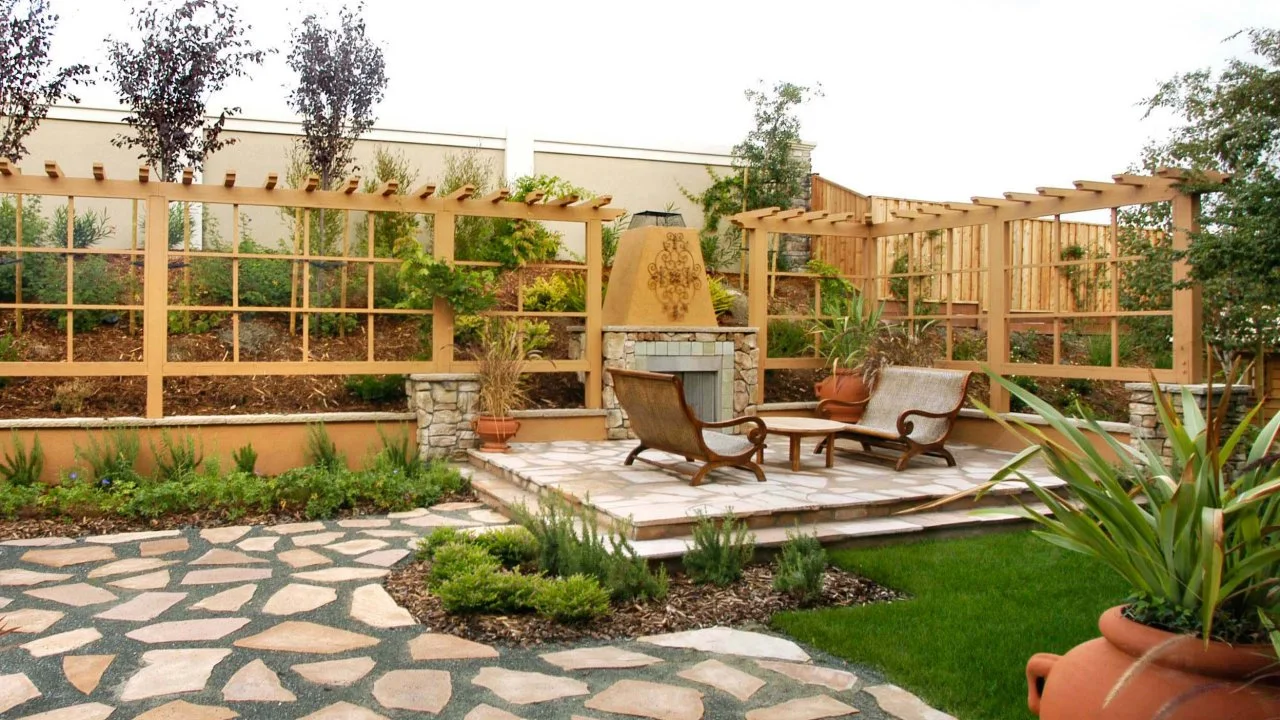
Why Undefined Outdoor Spaces Often Feel Underused
Many yards have plenty of space but lack purpose. When areas aren’t clearly defined, activities overlap, foot traffic spreads unpredictably, and some parts of the yard go unused altogether. Over time, this leads to wear in the wrong places and frustration with how the space functions.
Landscaping for clearly defined outdoor zones organizes the yard so every area has a role and works together as a complete outdoor environment.
What Outdoor Zoning Actually Accomplishes
Outdoor zoning divides the yard into purposeful areas based on how the space is used. Instead of one large, undefined area, the yard becomes a collection of connected zones.
Common outdoor zones include:
- Gathering and seating areas
- Open lawn or activity spaces
- Planting and garden areas
- Access and circulation routes
Clear zoning improves both usability and appearance.
Reducing Wear by Assigning Purpose to Each Area
When zones aren’t defined, wear spreads everywhere. Landscaping assigns specific uses to specific areas so stress stays contained.
Defined zones help:
- Protect lawns from unnecessary traffic
- Reduce soil compaction
- Improve overall durability
Purpose-driven design prevents random wear.
Improving Flow Between Outdoor Areas
Zoning isn’t about separation—it’s about connection. Landscaping creates clear transitions between zones so movement feels natural.
Good transitions:
- Improve circulation
- Reduce congestion
- Make the yard easier to navigate
Clear flow improves everyday comfort.
Separating Active and Quiet Spaces
Not all outdoor activities require the same environment. Landscaping defines active zones and separates them from quieter areas.
This separation:
- Improves comfort
- Reduces noise overlap
- Preserves relaxation spaces
Each zone performs better when it fits its purpose.
Using Landscaping to Create Natural Boundaries
Outdoor zones don’t need fences or walls. Landscaping uses subtle boundaries to define areas without making the yard feel closed off.
Natural boundaries include:
- Plant placement
- Changes in surface texture
- Elevation shifts
Soft boundaries feel intentional and welcoming.
Managing Drainage Across Multiple Zones
Water behaves differently depending on how a space is used. Landscaping for zoning manages drainage so each area stays functional.
Drainage-aware zoning:
- Prevents pooling in gathering areas
- Protects planting beds
- Keeps access routes usable
Proper water flow supports all zones.
Supporting Multi-Use and Flexible Spaces
Defined zones don’t have to be rigid. Landscaping allows spaces to adapt while still maintaining structure.
Flexible zoning supports:
- Changing layouts
- Seasonal use
- Future upgrades
Defined doesn’t mean restrictive.
Reducing Maintenance Through Organized Layouts
Undefined spaces require more upkeep because damage happens everywhere. Zoned landscapes concentrate wear where it’s expected.
Maintenance benefits include:
- Fewer lawn repairs
- Less soil replacement
- Easier long-term care
Organization reduces effort.
Enhancing Visual Balance and Curb Appeal
Clearly defined zones make a yard feel intentional and polished. Landscaping balances open space with structure for visual harmony.
Visual benefits include:
- Improved curb appeal
- Cleaner sightlines
- More cohesive design
Structure enhances aesthetics.
Why Professional Landscaping Makes the Difference
Effective zoning requires understanding movement, drainage, and long-term use. DIY zoning often overlooks how spaces interact.
Professional landscaping provides:
- Strategic zone planning
- Durable layouts
- Long-term performance
Experience ensures zones actually work.

Does Your Yard Feel Disorganized or Underused?
If your outdoor space feels scattered or worn in the wrong places, clearly defined zones may be the solution. With professional landscaping, yards become organized, functional, and easier to enjoy.
Contact Twelve Point Landscaping today to schedule a free estimate and explore landscaping solutions designed to create clearly defined outdoor zones that improve flow, usability, and long-term performance.


find us on


