
Blog
Landscaping Designed to Protect and Improve Curb Appeal Over Time
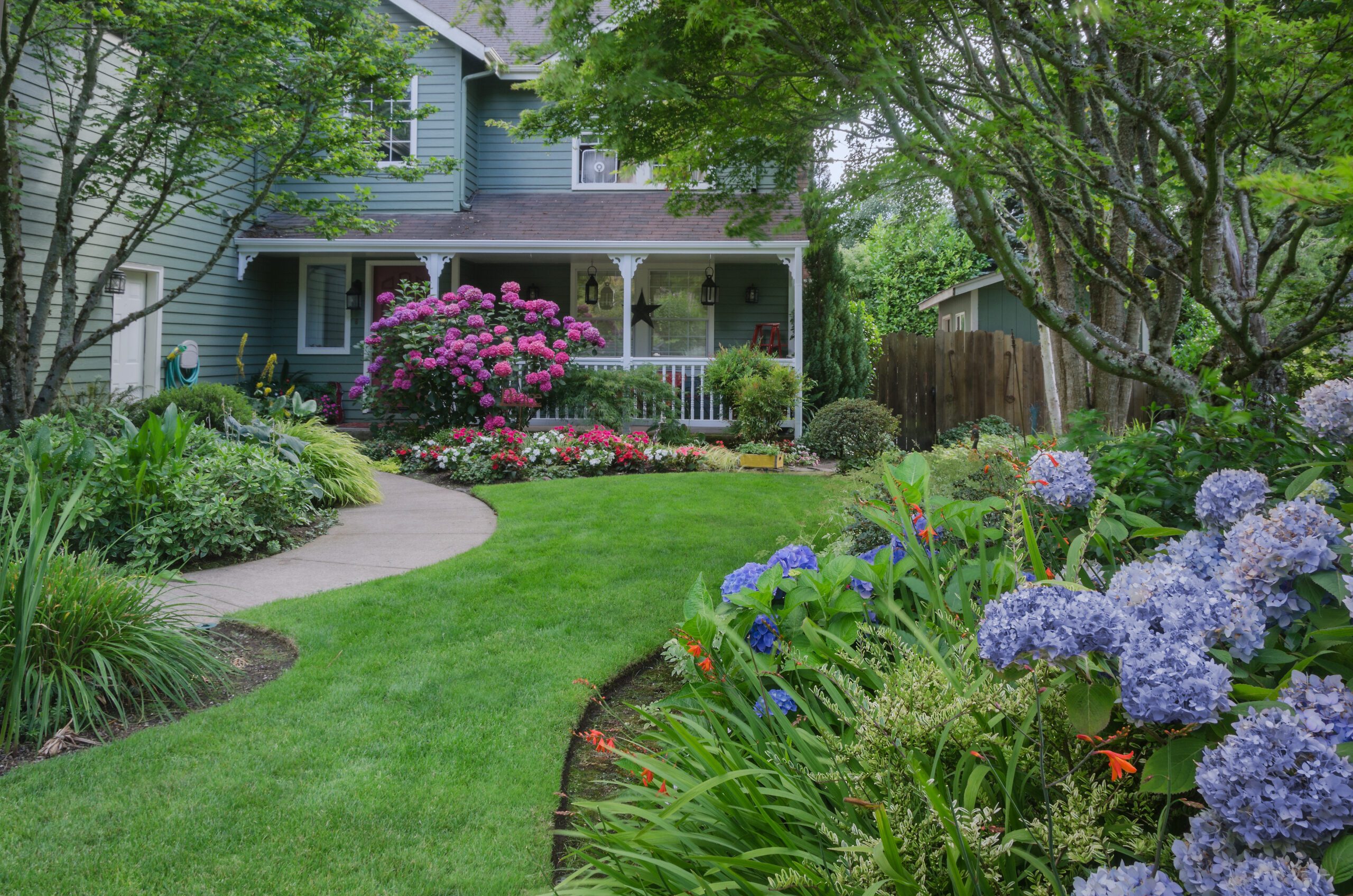
Why Curb Appeal Is About Longevity, Not Just First Impressions
Curb appeal often focuses on how a home looks right after landscaping is installed, but true curb appeal is about how well that look holds up over time. Poor planning leads to overgrown plants, worn areas, and uneven layouts that slowly reduce visual impact.
Landscaping for long-term curb appeal focuses on structure, balance, and durability so your home continues to look clean and intentional year after year.
How Poor Planning Causes Curb Appeal to Fade
Landscapes that aren’t designed for longevity often develop issues that affect appearance.
Common problems include:
- Overcrowded plantings
- Thinning lawns near walkways
- Erosion along edges and slopes
- Inconsistent bed shapes
- Frequent replanting
These issues gradually diminish curb appeal.
Using Layout to Maintain a Clean, Structured Look
Layout plays a major role in how long curb appeal lasts. Landscaping guides movement and growth so the design doesn’t break down over time.
Smart layouts:
- Create clear visual lines
- Separate planting and access areas
- Maintain symmetry and balance
Structure keeps the landscape looking intentional.
Placing Plants for Mature Growth
One of the most common curb appeal mistakes is planting for size now instead of size later. Landscaping for long-term appeal accounts for how plants grow over time.
Proper plant placement:
- Prevents overcrowding
- Maintains visibility of the home
- Reduces constant trimming
Mature growth planning protects appearance.
Reinforcing High-Visibility Areas
Front yards experience frequent foot traffic and weather exposure. Landscaping reinforces these areas to prevent wear.
Reinforced zones help:
- Protect lawn edges
- Maintain clean bed lines
- Prevent erosion near walkways
Durable front-yard features preserve appearance.
Managing Drainage to Prevent Visual Damage
Drainage issues often cause visible damage like washed-out beds or muddy patches. Landscaping designed for curb appeal manages water before it creates problems.
Drainage-conscious landscaping:
- Protects soil structure
- Prevents pooling
- Maintains clean surfaces
Good drainage supports lasting beauty.
Creating Consistency Across the Property
Curb appeal improves when landscaping elements feel connected. Professional planning ensures consistency in layout and transitions.
Consistent design:
- Enhances visual flow
- Reduces cluttered appearance
- Creates a polished look
Unity strengthens curb appeal.
Reducing Maintenance That Leads to Neglect
Landscapes that are hard to maintain often fall behind, affecting curb appeal. Landscaping for longevity reduces maintenance demands.
Lower maintenance benefits include:
- Fewer overgrown areas
- Less frequent replanting
- Easier upkeep
Ease of care keeps the yard looking good.
Adapting to Seasonal Changes Without Losing Appeal
Landscaping designed for long-term curb appeal accounts for seasonal shifts so the yard doesn’t look bare or messy during parts of the year.
Season-aware planning:
- Maintains structure year-round
- Keeps beds defined
- Preserves balance through seasons
Consistency improves perception.
Why Professional Landscaping Makes the Difference
Long-term curb appeal requires foresight and experience. Professional landscaping considers growth, wear, and water movement from the start.
Professional services provide:
- Strategic layout planning
- Durable design choices
- Long-term visual consistency
Experience protects your investment.

Is Your Curb Appeal Built to Last?
If your home’s exterior loses its impact over time, landscaping may need a long-term plan. With professional design, curb appeal can remain strong and polished for years to come.
Contact Twelve Point Landscaping today to schedule a free estimate and explore landscaping solutions designed to protect, enhance, and sustain curb appeal long-term.



find us on


