
Blog
Landscape Design That Turns Outdoor Space Into a Clear, Functional Plan
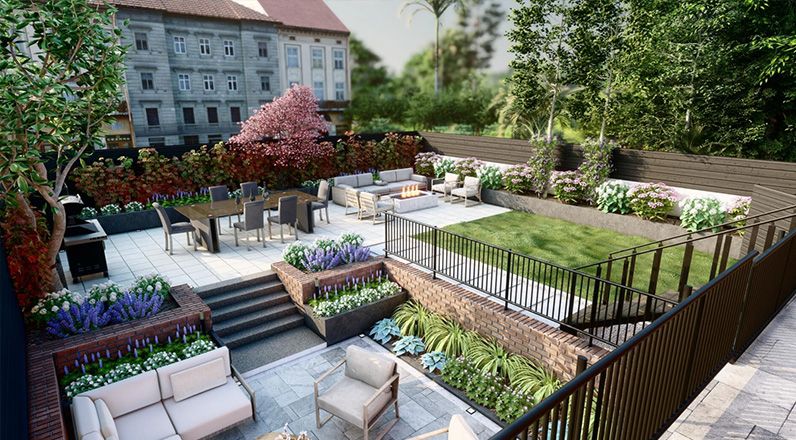
Why Landscape Design Is More Than Just a Visual Plan
Landscape design isn’t simply about choosing plants or placing features—it’s about creating a clear, functional plan for how an outdoor space will work long term. Without design, projects often become reactive, adding features as problems arise instead of preventing them upfront.
Landscape design brings structure, intention, and coordination to outdoor spaces so everything works together from the start.
Common Problems Caused by Skipping Landscape Design
When outdoor projects move forward without design, issues tend to appear quickly.
Common problems include:
- Awkward layouts
- Poor drainage patterns
- Overcrowded or underused areas
- Features that block future improvements
- Higher maintenance demands
Design helps avoid these costly mistakes.
Creating a Clear Layout Before Construction Begins
Landscape design establishes where everything belongs before work starts. This clarity prevents rework and conflicting installations.
Design planning helps:
- Define usable zones
- Align elevations and transitions
- Improve overall flow
A clear plan leads to smoother execution.
Designing Around How the Space Will Be Used
Good landscape design starts with real-world use. Instead of guessing, design accounts for how people will move, gather, and relax.
Use-focused design:
- Supports natural movement patterns
- Places features logically
- Reduces wear in the wrong areas
Designing for reality improves performance.
Balancing Hardscaping and Landscaping From the Start
Landscaping and hardscaping should never compete. Landscape design ensures both elements are planned together.
Balanced design:
- Prevents erosion near hardscapes
- Improves durability
- Creates cohesive outdoor spaces
Integration improves longevity.
Managing Drainage Through Smart Design Choices
Drainage problems often come from poor planning, not poor installation. Landscape design addresses water flow early.
Drainage-aware design:
- Directs runoff safely
- Prevents pooling
- Protects soil and structures
Water management is built into the plan.
Planning for Growth and Long-Term Change
Outdoor spaces evolve. Landscape design anticipates growth, maturity, and future improvements.
Forward-thinking design:
- Spaces plants for maturity
- Preserves expansion options
- Reduces future demolition
Planning ahead saves money.
Reducing Maintenance With Smarter Layouts
High-maintenance landscapes are often poorly designed. Landscape design reduces upkeep by placing elements where they can thrive.
Low-maintenance benefits include:
- Healthier lawns and plants
- Fewer repairs
- Easier long-term care
Design reduces ongoing work.
Improving Visual Balance Across the Property
Design isn’t only functional—it also improves appearance. Landscape design balances open space, structure, and plantings.
Visual benefits include:
- Cleaner sightlines
- Stronger curb appeal
- More intentional layouts
Balanced spaces feel complete.
Avoiding Costly Mid-Project Changes
Without a design plan, changes often happen mid-project—leading to delays and added costs.
Design prevents:
- Feature relocation
- Drainage corrections
- Redesigns after installation
Planning once avoids repeat work.
Supporting Phased Outdoor Projects
Not every project happens all at once. Landscape design allows work to be completed in phases without conflict.
Phased design planning:
- Maintains layout consistency
- Preserves grading and drainage
- Supports future upgrades
Design protects long-term vision.
Improving Communication and Expectations
Landscape design creates a shared understanding of the project before work begins.
Clear design helps:
- Align expectations
- Improve communication
- Reduce misunderstandings
Clarity improves the experience.
Why Professional Landscape Design Makes the Difference
Effective landscape design requires experience with grading, drainage, materials, and long-term use. DIY planning often overlooks these factors.
Professional landscape design provides:
- Strategic layout planning
- Performance-focused decisions
- Long-term reliability
Experience turns ideas into functional spaces.

Is Your Outdoor Space Missing Direction or Clarity?
If your yard feels disorganized, hard to use, or expensive to maintain, landscape design may be the missing step. With a clear plan, outdoor spaces become easier to build, easier to maintain, and more enjoyable long term.
Contact Twelve Point Landscaping today to schedule a free estimate and explore professional landscape design services that create purposeful layouts, improve performance, and support long-term outdoor success.


find us on


