
Blog
How to Prepare Your Yard for a Landscaping or Hardscaping Project
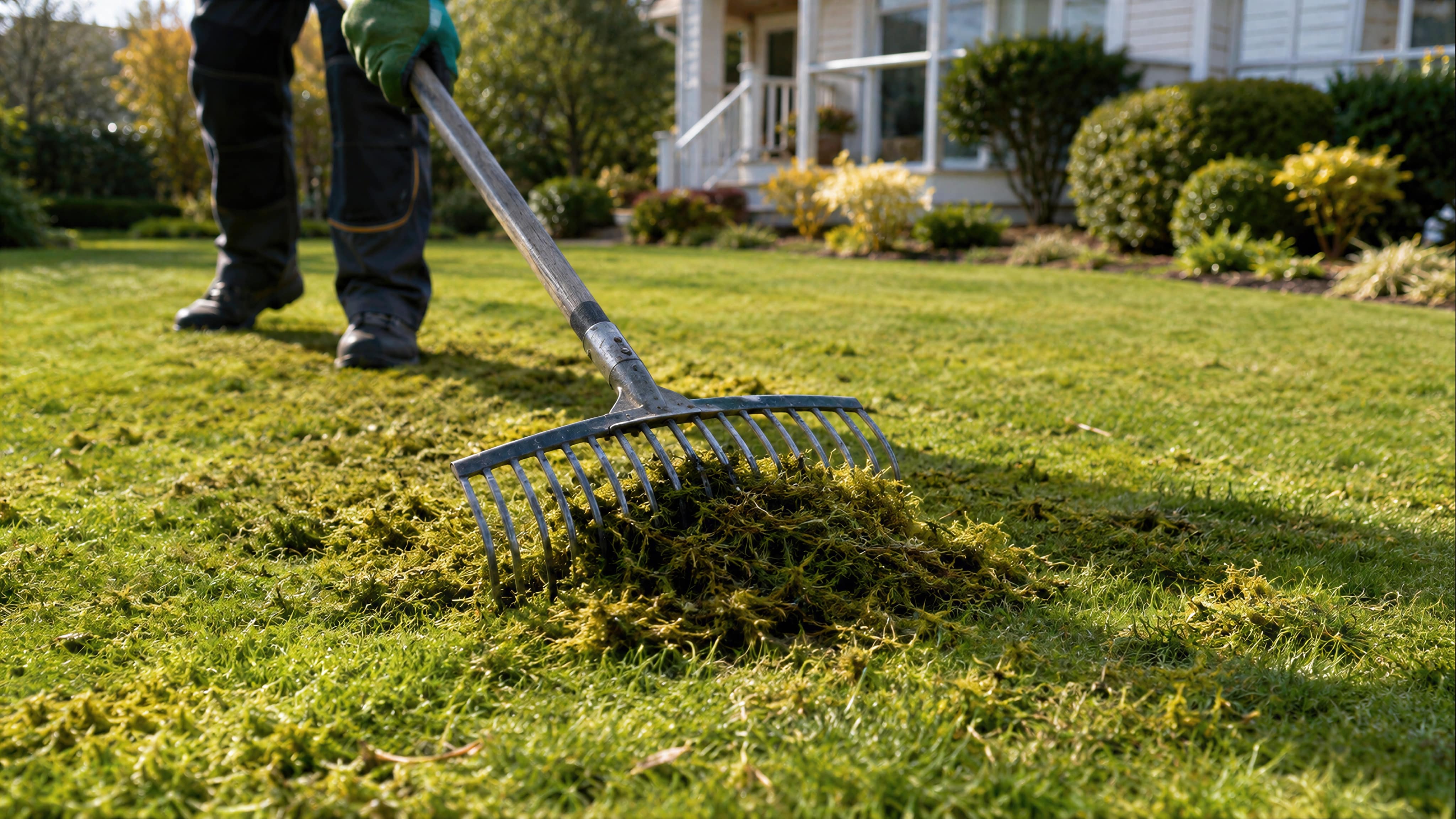
You've made the decision, gotten the estimate, and scheduled your landscaping or hardscaping project. Now what? A lot of homeowners aren't sure what they're supposed to do between signing the contract and the crew showing up — and whether there's anything they should be doing to help the project go smoothly. The good news is that preparation doesn't have to be complicated. A few thoughtful steps before work begins can make a real difference in how the project goes and how happy you are with the result.
At Twelve Point Landscaping, we work with homeowners throughout Austin, Dripping Springs, Bee Cave, Lakeway, and Central Texas on projects of all sizes. Here's what we recommend homeowners do to prepare before a landscaping or hardscaping project begins.
Communicate Everything Upfront
The single most important thing you can do before a project starts is make sure your contractor knows everything that's relevant to your property and your goals. This includes:
Underground utilities and irrigation lines — Know where your irrigation system runs before excavation or digging begins. Mark any areas where you know lines are present and communicate them clearly. Your contractor should call 811 — Texas's dig safe service — before any excavation, but knowing where your own irrigation system is gives you an extra layer of protection.
Plants and features you want to keep — If there are existing plants, trees, stones, or features that you want preserved, clearly communicate and mark them before work begins. It's far easier to protect something from the start than to discover it was accidentally removed after the fact.
Access points and constraints — Tell your contractor about gate widths, overhead clearances, septic systems, easements, or any other access limitations that could affect how equipment and materials move through your property.
HOA restrictions — If your neighborhood has HOA rules about materials, colors, wall heights, or plant species, make sure your contractor is aware of them before the design is finalized.
Clear the Work Area
Before the crew arrives, clear the work area of anything that isn't part of the project and shouldn't be in the way. This includes:
Outdoor furniture, planters, grills, and decorative items in or near the work zone. Children's toys, sports equipment, and any items stored in the backyard. Pet items — food bowls, kennels, toys — from the work area. Vehicles parked in the driveway if access to the backyard requires the driveway to be clear.
The more access the crew has to the work area without having to navigate around your belongings, the more efficiently they can work — which is good for everyone.
Secure Your Pets
This one matters more than most homeowners initially think. An active job site is not a safe environment for dogs or other outdoor pets. Equipment, materials, open gates, and unfamiliar workers all create risks. For the duration of the project, keep dogs and other pets inside or in a secured area away from the work zone.
Communicate with your contractor about whether there will be days when gate access to the backyard is required, so you can plan accordingly for your pets. A crew that has to stop work every time a dog needs to be secured is a crew that's working less efficiently than it should be.
Plan for Noise and Access Disruption
Landscaping and hardscaping projects are not quiet. Equipment, material delivery, and crew activity are all part of the process, and they happen during working hours. If you work from home, plan for disruption on project days — find a quieter room, use noise-canceling headphones, or schedule important calls during times when work typically pauses.
If the project requires access to your backyard through your home — through the house, not just through a side gate — communicate this clearly so everyone understands the expectation and the crew can plan their material movement accordingly.
Know What Staging Area to Expect
For larger projects, materials need to be staged somewhere on your property — pavers stacked on the driveway, mulch or soil delivered to a side yard, equipment parked near the work zone. Ask your contractor upfront where materials will be staged and how long they'll be there so you can plan accordingly and make sure the staging area is accessible.
For deliveries of heavy materials like stone or pavers, make sure the delivery area is accessible for a truck and that you know what to expect. Coordinating delivery timing with your contractor avoids surprises.
Understand the Project Sequence
Ask your contractor to walk you through the project sequence before work begins — not just what will be done, but in what order and roughly when each phase will happen. Understanding the sequence helps you know what the yard will look like at each stage and prevents unnecessary concern when things look messy mid-project.
Most landscaping and hardscaping projects go through a phase that looks worse before it looks better — excavation leaves open ground, material staging creates temporary clutter, grading leaves the yard looking rough. Knowing this is coming and understanding that it's a normal part of the process makes the in-progress phase less stressful.
Water Your Lawn and Plants Before Removal or Digging
If your project involves removal of existing plants or excavation in areas with established grass or plantings, watering the area thoroughly a day or two before work begins softens the soil and makes removal and excavation easier and faster. This is a small thing that can meaningfully speed up the early phases of the project.
Have a Point of Contact and Communication Plan
Decide upfront how you want to communicate with your contractor during the project. Do you want daily check-ins? Are you comfortable with the crew working on their own and checking in only when there are questions or decisions? Who is your primary contact for questions or concerns during the project?
At Twelve Point Landscaping, we communicate throughout every project — not just at the start and end. If something comes up during the project that affects the plan or the timeline, we let our clients know promptly. We expect the same in return — if you have a concern or question during the project, reach out rather than waiting until the final walkthrough.
Prepare for the Final Walkthrough
At the end of the project, plan to walk the completed space with your contractor before the crew leaves. This is your opportunity to see the finished work, ask questions, confirm everything matches what was agreed to, and flag anything that needs to be addressed before the project is considered complete.
Come to the final walkthrough with your contract or proposal in hand so you can reference what was agreed to. Walk every area that was included in the scope of work — not just the main feature. A thorough final walkthrough protects both you and the contractor and ensures everyone agrees the project is complete.

At Twelve Point Landscaping, we make the project experience as smooth as possible for homeowners throughout Austin, Dripping Springs, Bee Cave, Lakeway, and Central Texas. We communicate clearly before, during, and after every project, and we walk every completed job with our clients to make sure the result matches what was promised.
Ready to get started? Reach out for a free estimate and let's plan your project together.


find us on


