
Blog
How to Add Privacy to Your Backyard Without a Fence
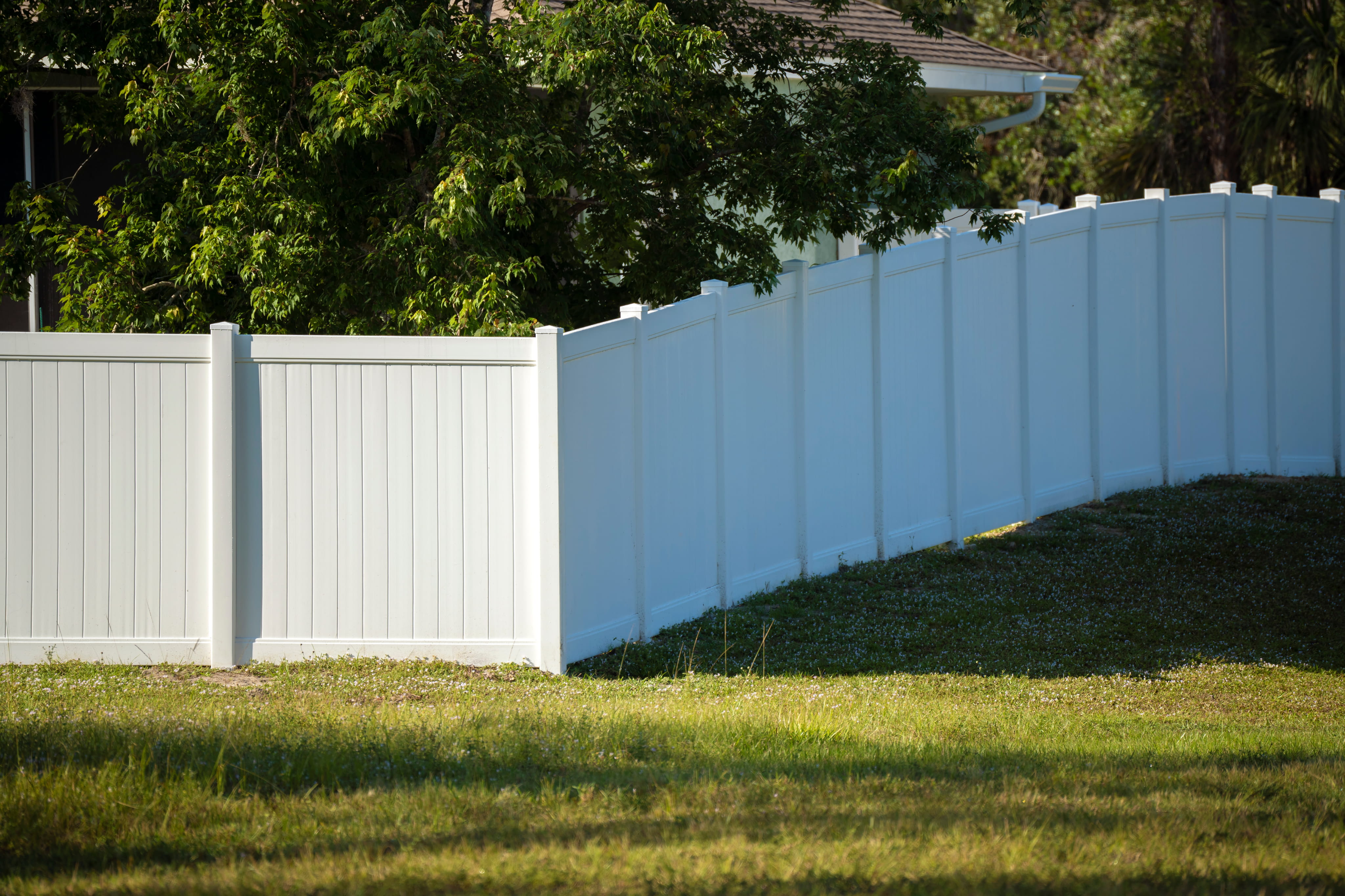
Privacy is one of the most common things Austin homeowners say they want more of in their outdoor space. Whether you're in a newer subdivision where the lots sit close together, a neighborhood where second-story windows overlook your backyard, or simply a property where you feel a little too visible from the street or neighbors, the desire to create a more private, enclosed outdoor space is completely understandable.
The good news is that a fence isn't your only option — and in many cases, it's not even the best one. Landscaping and hardscaping solutions for privacy can be more attractive, more natural-looking, and more effective than a standard wood or metal fence. At Twelve Point Landscaping, we design and build privacy solutions for homeowners throughout Austin, Dripping Springs, Bee Cave, Lakeway, and Central Texas. Here's how to add real privacy to your backyard without a fence.
Why Landscaping Privacy Solutions Often Beat Fences
Before getting into specific options, it's worth understanding why plant-based and hardscaping privacy solutions are often preferable to traditional fencing:
They look better and age better. A well-designed privacy planting or natural stone wall adds genuine beauty to your property. A wood fence looks fine when it's new and progressively worse as it weathers, warps, and fades. Natural materials age gracefully. They increase property value. Strategic privacy plantings and quality hardscaping add to your home's value. A worn-out fence typically doesn't. They're more flexible. You can layer and combine privacy solutions — a low wall plus tall shrubs, or a planted berm plus a pergola — in ways that a fence doesn't allow. They support wildlife. Native privacy plantings provide habitat for birds, pollinators, and other wildlife in ways that solid fences don't.
Option 1: Privacy Screening With Plants
The most natural-looking privacy solution is strategic plant placement. The right plants — placed correctly and in sufficient density — can create a living screen that's more attractive than any fence and provides visual and acoustic privacy at the same time.
For effective privacy screening in Central Texas, you need plants that are evergreen (so they provide year-round coverage), grow to an appropriate height for your privacy needs, and are well-suited to Austin's climate.
Wax Myrtle — One of the best privacy screening plants for Austin. Wax myrtle is a fast-growing, evergreen native shrub that can reach heights of ten to fifteen feet or more. Dense, fine-textured foliage creates an effective visual screen. Highly drought-tolerant and low-maintenance once established. Can be pruned to maintain a desired height or allowed to grow naturally.
Nellie R. Stevens Holly — A tall, dense evergreen holly that's extremely popular for privacy screening throughout Central Texas. Grows quickly, maintains a full, dense canopy year-round, and produces attractive red berries in winter. Can reach fifteen to twenty feet at maturity. One of the most reliable privacy screen plants available in the Austin area.
Possumhaw Holly — A deciduous native holly that provides seasonal privacy and stunning winter interest with its bright red berries. Not evergreen, so it's best used in combination with evergreen species for year-round coverage.
Italian Cypress — A tall, narrow evergreen tree that creates a striking vertical privacy element. Works especially well in more formal or Mediterranean-style landscapes. Grows to significant heights without taking up a lot of horizontal space — ideal for narrow side yards or tight spaces.
Leyland Cypress — A fast-growing evergreen that fills in quickly and creates dense visual screening. Popular for quick privacy solutions, though it requires adequate space to grow to its mature size.
Live Oak — For longer-term privacy that also delivers significant shade, strategically placed live oaks are one of the best investments an Austin homeowner can make. A mature live oak creates a canopy that blocks views from upper-story windows and neighboring properties while delivering year-round greenery and beautiful Texas character.
Option 2: Retaining Walls and Garden Walls
A low to mid-height garden wall doesn't provide full privacy on its own, but it does several things that contribute to a more enclosed, private feeling in an outdoor space. A stone or block garden wall at seat height or slightly above it creates a clear boundary, adds enclosure without completely blocking views, and — when combined with privacy plantings above it — becomes part of a layered privacy solution that's both functional and beautiful.
Natural limestone walls are particularly effective in Austin landscapes for this purpose. They're native to the region, they look right in the Hill Country context, and they add the kind of permanent, quality feel that temporary fencing never achieves. A low stone wall along the perimeter of a patio or along a property line, planted with screening shrubs behind it, creates a privacy solution that's significantly more attractive than a fence.
Option 3: Berms
A berm is a raised mound of soil — typically planted with shrubs and ground covers — that creates a natural elevation change in the landscape. Berms are an effective privacy solution because they raise the height of plantings without requiring a wall, creating a natural-looking screening element that works with the landscape rather than against it.
In Austin's relatively flat suburban areas, a planted berm along a property line or along the back of a yard can raise the effective screening height of privacy plantings by several feet. A four-foot berm planted with six-foot screening shrubs functions like a ten-foot privacy screen — without the visual weight of a solid wall or fence.
Berms also add topographic interest to flat yards, creating visual variety and a more natural, organic feel in the landscape.
Option 4: Pergolas and Overhead Structures
Privacy isn't only about blocking horizontal views from neighbors — it's also about overhead coverage from neighboring second-story windows or overlooking properties. Pergolas, shade sails, and overhead structures address this dimension of privacy by creating a covered, semi-enclosed patio environment.
A pergola over a patio creates a sense of room-like enclosure that makes the space feel more private and intimate, even without solid walls. Combined with climbing plants — jasmine, Lady Banks rose, or other vines suited to Austin's climate — a pergola becomes a living overhead canopy that adds privacy, shade, and beauty simultaneously.
Option 5: Layered Privacy — The Best Approach
For most Austin properties, the most effective privacy solution combines multiple approaches in a layered system. A typical layered privacy design might include:
A low stone or block wall along the patio perimeter that creates a clear boundary and adds enclosure at seat level. Tall privacy shrubs or trees planted behind the wall that grow above the wall height to create visual screening. Canopy trees planted for longer-term overhead coverage and shade. A pergola or shade structure over the main patio area to address overhead sight lines.
This layered approach creates a genuinely private outdoor space that's also beautiful, natural-looking, and adds real value to the property. It's more involved and more expensive than putting up a fence, but it produces a result that a fence never could.
Planning Your Privacy Landscaping
A few things to think through before planning a privacy solution for your yard:
Where exactly are you visible from? Walk your yard and identify the specific sight lines you want to address — neighboring windows, a street, a shared property line. This determines where to place your privacy solution.
How quickly do you need coverage? Fast-growing options like wax myrtle and Leyland cypress fill in relatively quickly. Slower-growing options like live oaks take years to reach their full privacy potential. For quick coverage, fast-growing evergreen shrubs are the right starting point, even if slower-growing trees will eventually provide the best long-term solution.
What's your maintenance preference? Dense privacy hedges require periodic trimming to maintain their shape and density. Naturally growing privacy screens require less maintenance but take up more space. Factor this into your plant selection.

At Twelve Point Landscaping, we design and build privacy solutions for homeowners throughout Austin, Dripping Springs, Bee Cave, Lakeway, and Central Texas. Whether you're looking for a planted privacy screen, a combination of stone walls and strategic plantings, or a full layered privacy design, we're ready to help you create an outdoor space that actually feels like yours.
Reach out for a free estimate and let's talk about what's possible for your property.


find us on


