
Blog
Hardscaping Utility Access Routes That Stay Clean, Safe, and Reliable
Why Utility Access Routes Need Special Attention
Utility access routes—leading to meters, panels, irrigation controls, or equipment—are used regularly but rarely designed for durability. Without proper hardscaping, these paths quickly turn muddy, uneven, and difficult to navigate.
Hardscaping utility access routes creates reinforced, predictable paths that protect the yard while keeping essential areas easy to reach.
Common Problems Around Utility Access Areas
When access routes aren’t reinforced, damage spreads quickly.
Common issues include:
- Muddy ground near equipment
- Compacted soil that won’t recover
- Dead grass along access paths
- Slippery conditions after rain
- Drainage issues near foundations
These problems increase maintenance and reduce safety.
How Hardscaping Improves Utility Access
Hardscaping provides a stable surface designed to handle repeated foot traffic. Instead of walking across turf or soil, movement is guided along durable paths.
Benefits include:
- Clean access in all weather
- Reduced wear on surrounding landscaping
- Consistent, predictable routes
Defined paths improve daily functionality.
Protecting Surrounding Landscaping From Wear
Utility routes often cut through lawns or planting beds. Hardscaping redirects traffic away from vulnerable areas.
This protection helps:
- Preserve turf health
- Prevent soil compaction
- Maintain clean landscape edges
The yard stays intact despite frequent access.
Improving Safety Near Equipment and Utilities
Utility areas are often shaded or tight spaces. Hardscaping creates level, non-eroding surfaces that reduce slip and trip hazards.
Safety improvements include:
- Better traction
- Clear walking surfaces
- Reduced uneven transitions
Safe access benefits homeowners and service providers.
Managing Drainage Along Utility Routes
Water frequently collects around utility areas. Hardscaping incorporates drainage planning to keep routes usable.
Drainage-aware design:
- Directs water away from equipment
- Prevents pooling
- Extends surface lifespan
Proper drainage protects both utilities and access paths.
Designing Routes That Blend With the Landscape
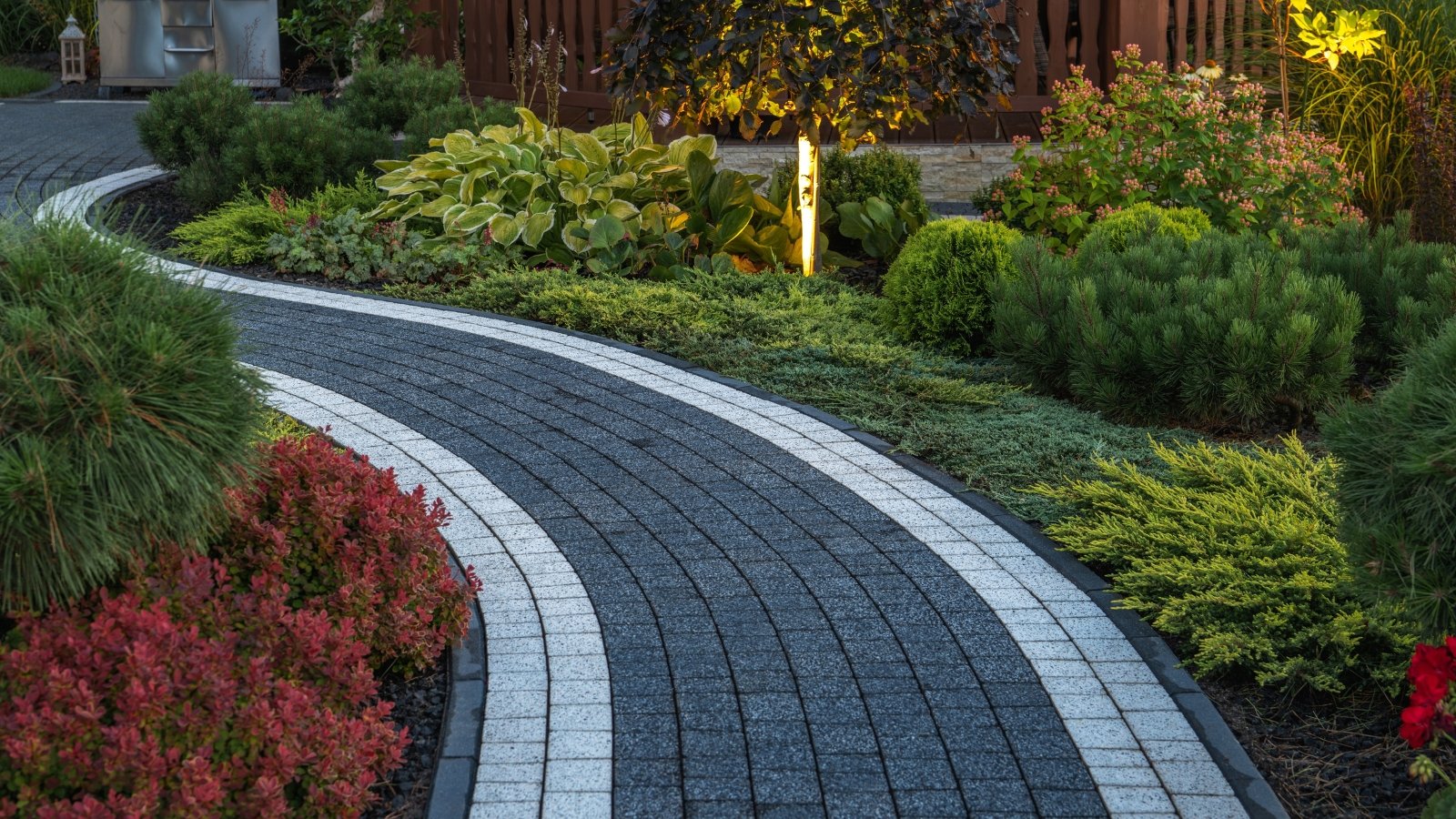
Utility access doesn’t have to look utilitarian. Professional hardscaping designs paths that blend seamlessly into the yard.
Well-designed routes:
- Follow natural movement patterns
- Complement surrounding features
- Maintain a clean, intentional look
Function and aesthetics work together.
Reducing Long-Term Maintenance
Grass paths near utilities require constant repair. Hardscaped routes significantly reduce upkeep.
Long-term benefits include:
- Fewer muddy areas
- Less erosion
- Lower maintenance costs
Durability saves time and effort.
Supporting Long-Term Property Performance
Reliable utility access supports property maintenance and safety. Hardscaping ensures access remains functional year after year.
Stable routes:
- Handle frequent use
- Maintain consistent surfaces
- Reduce the need for repairs
Reliability matters for essential access.
Why Professional Hardscaping Makes the Difference
Utility access routes require precise grading and base preparation. DIY solutions often fail due to shifting and drainage issues.
Professional hardscaping provides:
- Proper excavation and compaction
- Accurate elevation control
- Long-term durability
Experience ensures dependable results.

Is Utility Access Damaging Your Yard?
If utility routes are muddy, unsafe, or wearing down your landscape, hardscaping may be the solution. With proper design and installation, utility access routes can stay clean, safe, and easy to use.
Contact Twelve Point Landscaping today to schedule a free estimate and explore hardscaping solutions designed to create durable, low-maintenance utility access routes that protect your yard.


find us on


