
Blog
Hardscaping That Creates Smooth, Cohesive Transitions Throughout Your Yard
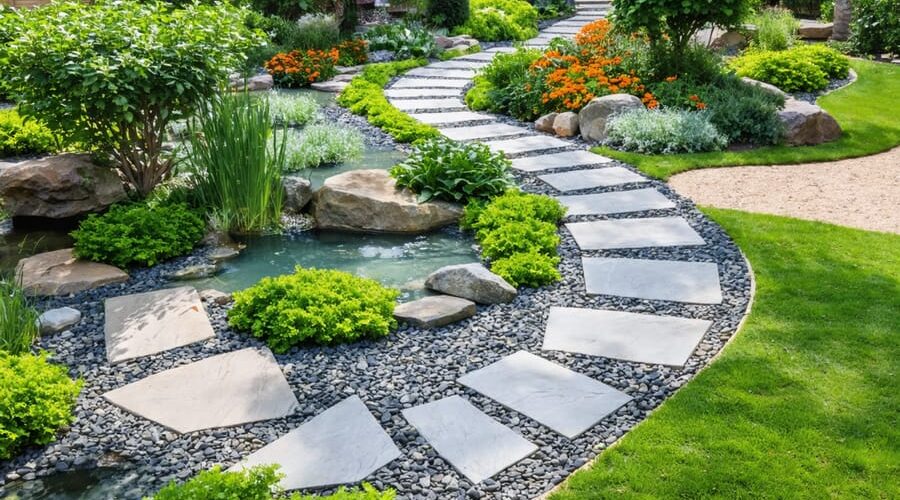
Why Outdoor Transitions Matter More Than Most Homeowners Realize
Outdoor spaces often feel disconnected when each feature is designed on its own. Patios stop abruptly, walkways feel awkward, and elevation changes create visual and functional breaks. These issues usually aren’t caused by poor materials—but by a lack of transition planning.
Hardscaping for cohesive outdoor transitions ensures every surface flows naturally into the next, improving both usability and appearance.
Common Signs of Poor Outdoor Transitions
When transitions aren’t planned correctly, problems become obvious over time.
Common issues include:
- Sudden elevation changes
- Walkways that feel disconnected
- Awkward edges between surfaces
- Drainage issues at transition points
- Increased wear where materials meet
These issues disrupt movement and visual flow.
Using Hardscaping to Connect Separate Outdoor Areas
Hardscaping acts as the connector between different zones. Well-designed transitions guide movement naturally from one area to another.
Effective transitions:
- Improve traffic flow
- Reduce trip hazards
- Create a unified layout
Connection improves comfort and function.
Managing Elevation Changes With Purpose
Changes in elevation are common, but how they’re handled matters. Hardscaping smooths elevation differences so they feel intentional.
Elevation-focused transitions:
- Prevent awkward steps
- Improve safety
- Enhance visual balance
Intentional elevation planning prevents issues.
Improving Drainage Where Surfaces Meet
Transition points often collect water if drainage isn’t considered. Hardscaping integrates drainage solutions at these critical areas.
Drainage-aware transitions:
- Prevent pooling
- Reduce erosion
- Protect surface integrity
Proper drainage extends lifespan.
Creating Visual Flow Through Material Selection
Materials play a big role in cohesion. Hardscaping uses complementary textures and colors to visually link areas.
Consistent materials:
- Improve visual continuity
- Reduce cluttered appearance
- Enhance curb appeal
Unified materials create harmony.
Supporting Daily Movement Through the Yard
Transitions should support how people actually move. Hardscaping aligns routes with daily patterns.
Movement-friendly transitions:
- Make navigation intuitive
- Reduce wear on landscaping
- Improve accessibility
Predictable movement improves usability.
Reducing Maintenance at Transition Points
Poor transitions lead to erosion and surface breakdown. Hardscaping reinforces these areas to minimize upkeep.
Low-maintenance benefits include:
- Fewer repairs
- Less regrading
- Cleaner edges
Durability saves time and effort.
Blending Hardscaping With Landscaping Seamlessly
Transitions shouldn’t feel like dividing lines. Professional hardscaping blends surfaces with surrounding landscaping.
Integrated design:
- Maintains natural flow
- Enhances aesthetics
- Keeps the yard cohesive
Blending improves the overall experience.
Planning Transitions for Future Changes
Outdoor spaces evolve. Hardscaping transitions are designed to adapt without major reconstruction.
Forward-thinking design:
- Supports future expansions
- Maintains layout integrity
- Reduces rework
Flexibility adds long-term value.
Why Professional Hardscaping Makes the Difference
Cohesive transitions require experience with grading, materials, and drainage. DIY transitions often fail due to poor base prep.
Professional hardscaping provides:
- Accurate elevation control
- Durable installation
- Long-term performance
Experience ensures smooth connections.

Do Your Outdoor Spaces Feel Disconnected?
If your yard feels choppy or awkward to navigate, cohesive hardscaping transitions may be the solution. With professional planning, outdoor areas can flow together naturally and perform better over time.
Contact Twelve Point Landscaping today to schedule a free estimate and explore hardscaping solutions designed to create smooth, cohesive outdoor transitions throughout your property.


find us on


