
Blog
Hardscaping That Brings Structure and Function to Your Outdoor Space
What Hardscaping Really Adds to a Landscape
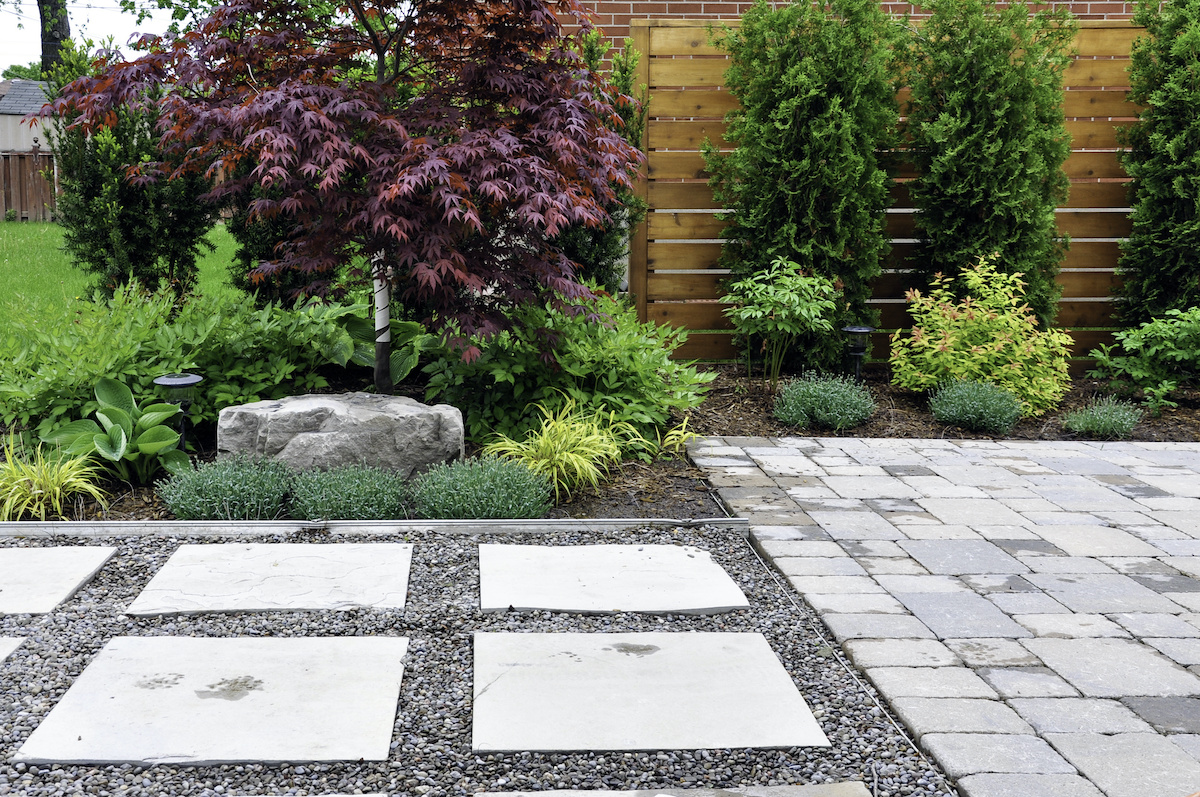
Hardscaping plays a critical role in shaping how an outdoor space looks and functions. While plants and grass provide softness and color, hardscape elements create structure, definition, and usability.
Hardscaping includes features built from stone, concrete, or pavers that form the foundation of an outdoor layout. These elements help control movement, manage elevation, and define how spaces are used throughout the yard.
Creating Usable Outdoor Living Areas
One of the biggest benefits of hardscaping is how it transforms open yards into usable living spaces. Patios, walkways, and retaining features create areas where homeowners can gather, relax, and move comfortably.
Hardscaping helps:
- Define seating and entertainment areas
- Improve accessibility throughout the yard
- Create clear transitions between spaces
- Support outdoor furniture and features
Without hardscaping, outdoor spaces often feel unfinished or difficult to use.
Balancing Hardscape and Landscape Elements
A successful outdoor design balances hardscape features with landscaping. Too much stone can feel harsh, while too little structure can leave the yard feeling undefined.
Professional hardscaping ensures:
- Clean transitions between grass, stone, and planting beds
- Visual balance between natural and built elements
- Cohesion across the entire outdoor space
When planned correctly, hardscaping enhances landscaping rather than overpowering it.
Improving Durability and Long-Term Performance
Hardscaping adds durability to areas that experience frequent foot traffic or exposure to the elements. Walkways, patios, and retaining features are built to withstand daily use and weather conditions better than soft surfaces alone.
Properly installed hardscapes help:
- Prevent soil erosion
- Reduce wear on grass and plantings
- Improve drainage and stability
This durability makes hardscaping a long-term investment in the functionality of the property.
Supporting Drainage and Elevation Control
Many hardscape features serve an important structural purpose. Retaining walls, boulder walls, and graded stone surfaces help manage elevation changes and water flow across the property.
Hardscaping solutions can:
- Stabilize sloped areas
- Direct water away from structures
- Reduce erosion and runoff
These features protect both the landscape and the home over time.
Customization to Match Your Home’s Style
Hardscaping isn’t one-size-fits-all. Materials, layouts, and finishes can be customized to match the architecture of the home and the homeowner’s preferences.
Customization options include:
- Paver patterns and colors
- Stone textures and finishes
- Layout designs that fit the property’s shape
This flexibility allows hardscaping to feel intentional and tailored rather than generic.
Why Professional Hardscaping Makes a Difference
Hardscaping requires precise installation, proper base preparation, and an understanding of drainage and load-bearing requirements. Small mistakes can lead to shifting, cracking, or drainage problems.
Professional installation ensures:
- Stable foundations
- Correct material placement
- Long-lasting performance
- A clean, finished appearance
Experience plays a major role in how well hardscape features hold up over time.

Is Hardscaping Right for Your Outdoor Project?
If you want to add structure, improve usability, and create defined outdoor living areas, hardscaping is an essential part of the process. When done professionally, it enhances both the appearance and performance of your landscape.
Contact Twelve Point Landscaping today to schedule a free estimate and explore hardscaping solutions designed to bring structure, function, and lasting value to your outdoor space.


find us on


