
Blog
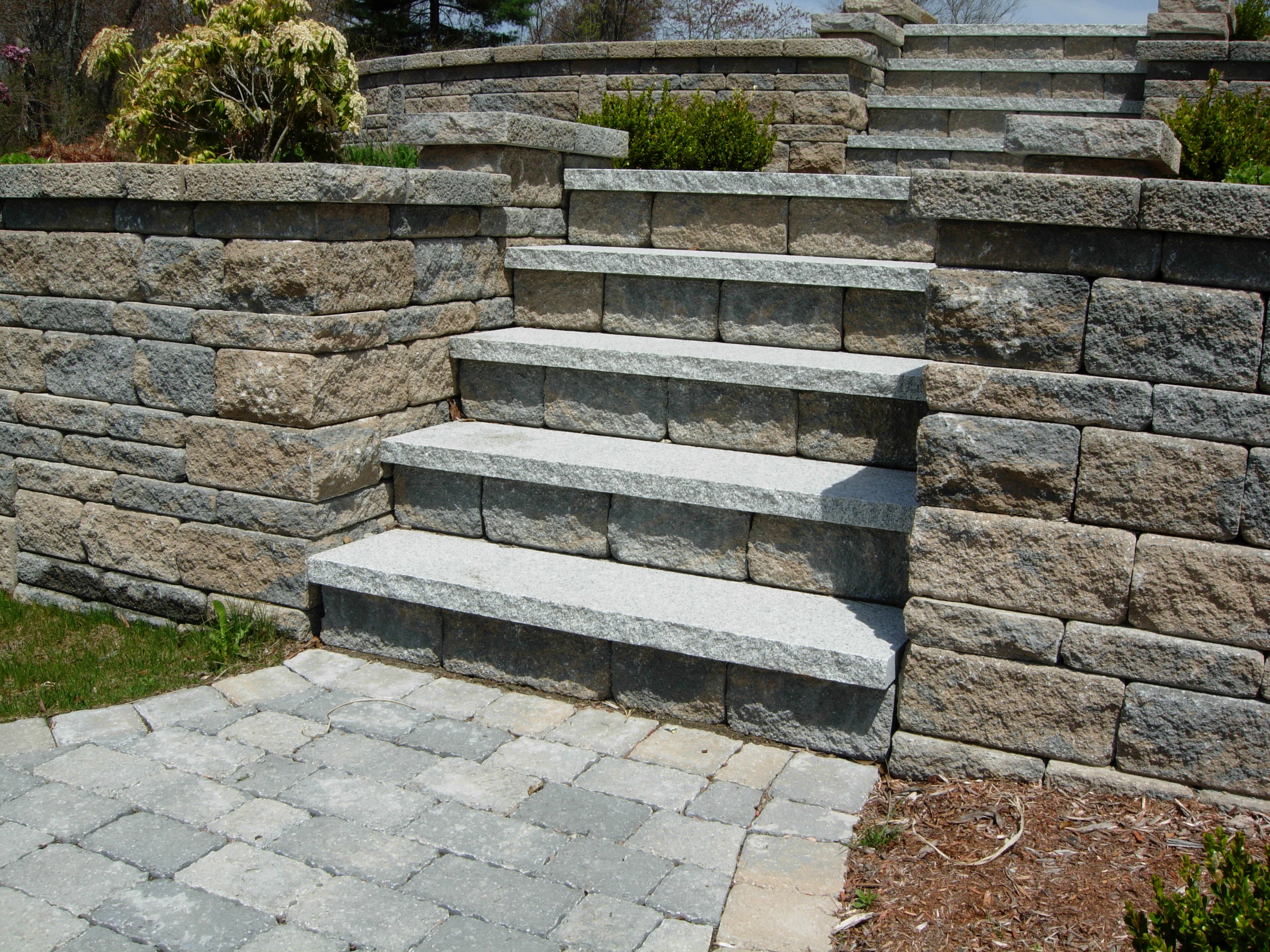
Hardscaping Steps That Make Elevation Changes Safer and Easier to Navigate
Why Elevation Changes Need More Than Just a Path
Yards with elevation changes often struggle with accessibility. Without proper steps or transitions, moving between areas can feel awkward or unsafe. Grass slopes wear down quickly, and makeshift solutions rarely last.
Hardscaping steps provide stable, permanent transitions that improve safety, usability, and the overall flow of the outdoor space.
Common Problems With Unstructured Elevation Changes
When elevation changes aren’t addressed properly, issues tend to show up quickly—especially in high-traffic areas.
Common problems include:
- Slippery or worn grass slopes
- Uneven walking surfaces
- Soil erosion along paths
- Difficulty navigating the yard
These issues make outdoor spaces harder to enjoy and maintain.
How Hardscaping Creates Safe, Predictable Movement
Hardscaping steps introduce structure where the terrain changes. Instead of guessing where to step, users have clear, stable footing.
Professionally built steps:
- Provide consistent step height
- Improve traction and stability
- Reduce wear on surrounding landscaping
Clear transitions make the yard safer for everyday use.
Improving Flow Between Outdoor Areas
Steps don’t just solve safety issues—they also improve how people move through the yard. Hardscaping guides natural movement between levels without disrupting the landscape.
Improved flow:
- Connects patios, lawns, and walkways
- Makes multi-level yards feel cohesive
- Reduces awkward transitions
Movement feels intentional rather than forced.
Preventing Erosion Around Transition Areas
Elevation changes often experience the most erosion. Water and foot traffic both contribute to soil loss when areas aren’t reinforced.
Hardscaping steps help:
- Stabilize soil
- Control water movement
- Protect nearby plant beds
Reinforced transitions hold up far better over time.
Designing Steps That Match the Landscape
Outdoor steps should blend seamlessly with the surrounding landscape. Professional hardscaping ensures steps complement the overall design instead of standing out awkwardly.
Well-designed steps:
- Match nearby materials
- Follow the natural grade
- Maintain visual balance
The result feels cohesive and polished.
Durability That Holds Up to Daily Use
Outdoor steps see frequent foot traffic and constant exposure to the elements. Hardscaping materials are selected and installed to handle this wear.
Durable steps:
- Resist shifting and cracking
- Maintain level surfaces
- Require minimal maintenance
This reliability keeps the yard functional year-round.
Supporting Accessibility for All Users
Safe steps improve accessibility for everyone—guests, family members, and anyone unfamiliar with the layout.
Hardscaping steps help:
- Reduce trip hazards
- Improve confidence when moving between levels
- Make the yard easier to navigate
Accessibility improves comfort and usability.
Why Professional Hardscaping Makes a Difference
DIY step installations often struggle with spacing, grading, and drainage. Professional hardscaping ensures steps are built correctly from the ground up.
Professional services provide:
- Proper base preparation
- Accurate step sizing and placement
- Long-term structural stability
Experience ensures transitions stay safe and functional.

Are Elevation Changes Limiting How You Use Your Yard?
If moving through your yard feels awkward or unsafe, hardscaping steps may be the solution. With proper design and installation, elevation changes can become seamless transitions instead of obstacles.
Contact Twelve Point Landscaping today to schedule a free estimate and explore hardscaping solutions designed to create safe, durable steps and smooth transitions throughout your outdoor space.


find us on


