
Blog
Hardscaping Projects That Add Structure, Function, and Property Value
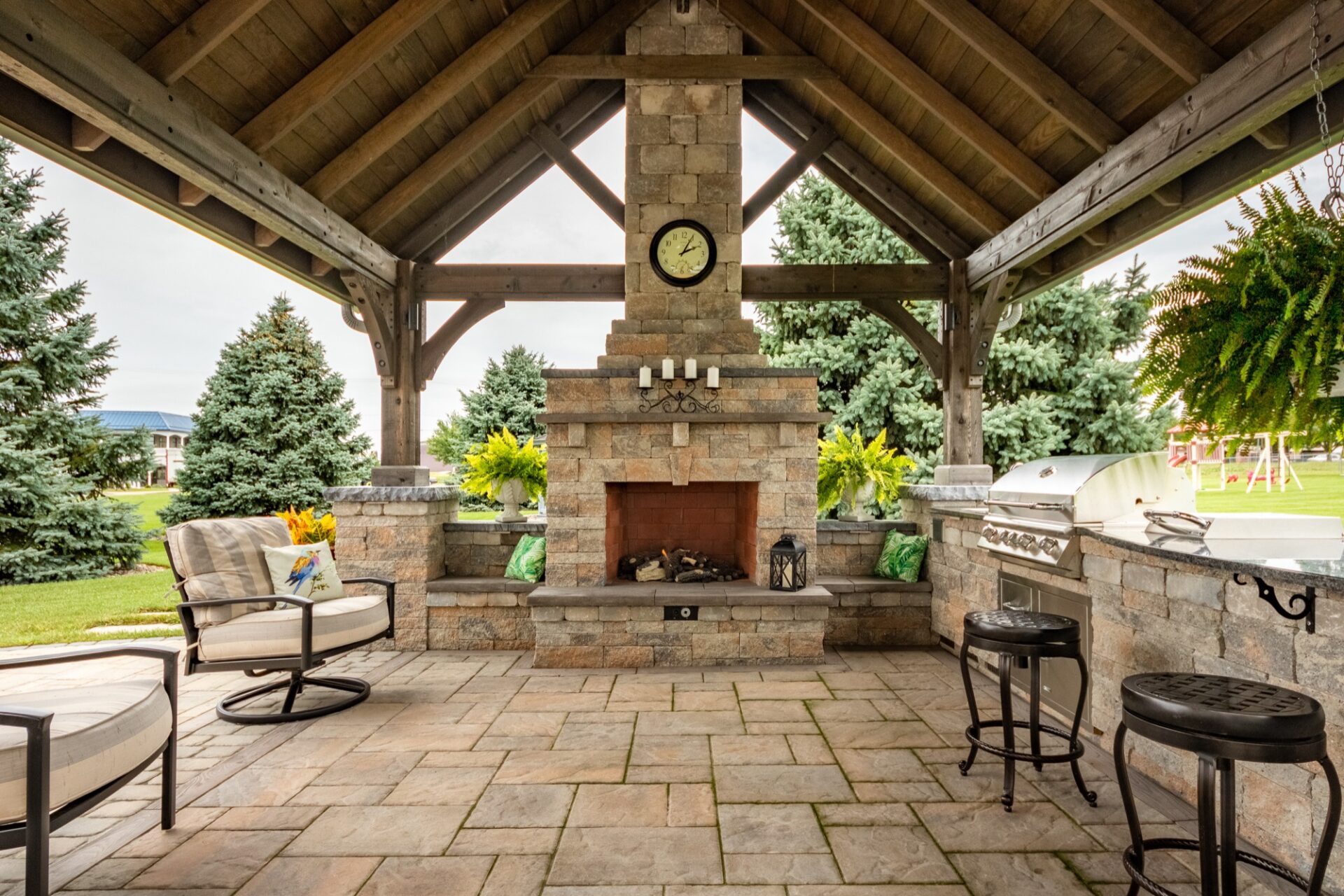
Why Hardscaping Plays a Major Role in Outdoor Value
Hardscaping is more than a visual upgrade—it creates structure, improves usability, and directly impacts how an outdoor space performs. Features like patios, retaining walls, and defined surfaces transform yards from open areas into functional environments.
Hardscaping projects that are planned and installed correctly add long-term value by making outdoor spaces more durable, usable, and appealing.
What Counts as Hardscaping in Outdoor Design
Hardscaping includes all non-living elements that give shape and structure to a landscape.
Common hardscaping elements include:
- Patios and seating areas
- Retaining and boulder walls
- Walkways and transitions
- Defined outdoor surfaces
- Structural landscape features
These elements form the backbone of outdoor layouts.
How Hardscaping Improves Outdoor Functionality
Landscapes without structure often struggle with wear, drainage issues, and limited usability. Hardscaping solves these problems by creating reinforced areas designed for use.
Functional benefits include:
- Stable walking and gathering surfaces
- Clear movement paths
- Defined outdoor zones
Structure improves how spaces are used daily.
Creating Usable Outdoor Living Areas
Hardscaping turns unused yard space into livable areas. Patios and hard surfaces provide places to relax, entertain, and gather without damaging lawns or soil.
Living space benefits:
- Increased usable square footage
- Better support for furniture
- More comfortable outdoor use
Usability adds real value.
Reducing Maintenance With Durable Surfaces
Lawns and soil struggle under heavy use. Hardscaping reduces maintenance by concentrating traffic on durable materials.
Maintenance advantages include:
- Less lawn damage
- Reduced soil erosion
- Fewer repairs over time
Durability saves time and money.
Improving Drainage and Preventing Erosion
Hardscaping works hand-in-hand with grading and drainage. Properly installed features help control water flow and protect surrounding landscaping.
Drainage benefits:
- Reduced pooling
- Controlled runoff
- Improved soil stability
Water management protects the property.
Adding Visual Structure and Curb Appeal
Hardscaping gives landscapes definition. Clean lines, solid materials, and intentional layouts improve visual balance.
Aesthetic benefits include:
- Cleaner transitions
- Stronger design cohesion
- Improved curb appeal
Structured spaces look more intentional.
Enhancing Safety and Accessibility
Uneven ground and undefined paths create hazards. Hardscaping improves safety by creating predictable, level surfaces.
Safety improvements include:
- Reduced trip hazards
- Better traction
- Clear walking routes
Safer spaces are more usable.
Supporting Long-Term Outdoor Performance
Hardscaping is built to last. When installed correctly, features hold up against weather, use, and soil movement.
Long-term benefits include:
- Stable surfaces
- Reduced shifting
- Consistent performance
Longevity increases overall value.
Integrating Hardscaping With Landscaping
Hardscaping should work with—not overpower—landscaping. Professional design blends hard surfaces with plantings and grading.
Integrated design:
- Softens transitions
- Improves flow
- Maintains natural balance
Integration enhances performance and appearance.
Increasing Property Appeal for Future Buyers
Well-designed hardscaping is a major selling point. Buyers value outdoor spaces that are functional and low maintenance.
Value-driven benefits:
- Improved outdoor usability
- Reduced future work
- Strong first impressions
Hardscaping adds market appeal.
Avoiding Costly Mistakes With Professional Planning
Poorly planned hardscaping often requires repair or replacement. Professional installation ensures features are built correctly from the start.
Professional services provide:
- Proper base preparation
- Strategic layout planning
- Long-term durability
Experience protects investment.
Why Professional Hardscaping Makes the Difference
Hardscaping requires knowledge of grading, drainage, and material performance. DIY or rushed installations often fail over time.
Professional hardscaping delivers:
- Consistent craftsmanship
- Reliable installation
- Long-term performance
Quality construction matters.

Is Your Outdoor Space Lacking Structure or Usability?
If your yard feels underused or difficult to maintain, hardscaping may be the missing piece. With professional design and installation, outdoor spaces become more functional, durable, and valuable.
Contact Twelve Point Landscaping today to schedule a free estimate and explore hardscaping solutions designed to add structure, improve usability, and increase long-term property value.


find us on


