
Blog
Hardscaping Garden Paths That Make Plant Care Easier and Cleaner
Why Garden Access Is Often an Afterthought
Many gardens are designed for appearance first and access second. Over time, reaching plants for watering, pruning, or harvesting creates worn grass, compacted soil, and muddy areas. When access isn’t planned, routine care becomes frustrating and damaging.
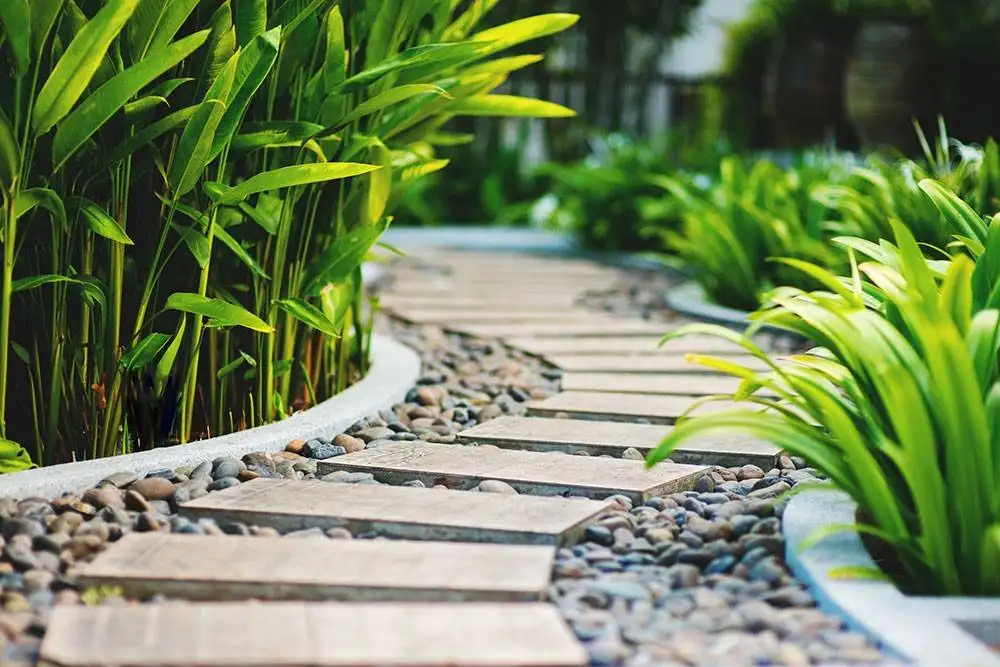
Hardscaping garden access paths creates defined walkways that protect planting areas while making garden maintenance easier and more efficient.
Common Problems Caused by Poor Garden Access
Without proper paths, foot traffic naturally creates damage around planting beds.
Common issues include:
- Compacted soil near plant roots
- Broken stems and crushed foliage
- Muddy areas after watering or rain
- Uneven walking surfaces
These problems reduce plant health and increase maintenance time.
How Hardscaped Paths Improve Garden Care
Hardscaped access paths provide a stable, predictable route through garden spaces. Instead of stepping between plants or along bed edges, movement is guided along durable surfaces.
Benefits include:
- Cleaner access in all weather
- Reduced soil disturbance
- Easier navigation during maintenance
Clear paths support healthier gardens.
Protecting Plant Roots and Soil Structure
Repeated foot traffic around garden beds compacts soil and restricts root growth. Hardscaping redirects traffic away from vulnerable areas.
This protection helps:
- Preserve soil aeration
- Support stronger root systems
- Improve long-term plant health
Healthy soil leads to healthier plants.
Designing Paths That Fit the Garden Layout
Garden paths should feel natural—not forced. Professional hardscaping designs access routes that follow the layout of planting beds and garden features.
Well-designed paths:
- Complement the garden’s shape
- Maintain comfortable walking widths
- Blend seamlessly with surrounding landscaping
The result feels intentional and cohesive.
Improving Safety While Working in the Garden
Gardens are often watered frequently, which increases slip hazards. Hardscaped paths provide stable footing while moving through wet areas.
Safety improvements include:
- Better traction
- Level walking surfaces
- Reduced risk of slipping
Safer access makes garden work more enjoyable.
Managing Drainage Around Garden Beds
Water movement is critical around gardens. Hardscaped paths incorporate drainage planning so water doesn’t pool near plants or wash soil away.
Drainage-aware design:
- Prevents erosion along bed edges
- Protects plant roots
- Extends the life of the pathway
Proper drainage supports both plants and paths.
Reducing Maintenance and Cleanup
Grass or dirt paths require constant repair and cleanup. Hardscaped garden access paths significantly reduce ongoing maintenance.
Long-term benefits include:
- Less mud tracking
- Fewer repairs
- Easier upkeep
Durable paths save time and effort.
Blending Function With Visual Appeal
Garden access paths don’t need to look utilitarian. Professional hardscaping balances function with aesthetics so paths enhance the garden’s appearance.
Well-integrated paths:
- Highlight garden features
- Add structure and flow
- Improve overall design
Function and beauty work together.
Why Professional Hardscaping Makes the Difference
DIY garden paths often shift, settle, or drain poorly. Professional hardscaping ensures paths are built correctly from the base up.
Professional services provide:
- Proper excavation and compaction
- Accurate grading
- Long-lasting durability
Experience ensures garden paths perform reliably.

Is Garden Maintenance Damaging Your Landscape?
If accessing your garden is causing wear or frustration, hardscaping access paths may be the solution. With proper design and installation, garden paths make plant care easier while protecting your landscape.
Contact Twelve Point Landscaping today to schedule a free estimate and explore hardscaping solutions designed to create clean, durable garden access paths that support healthy plants and easy maintenance.



find us on


