
Blog
Hardscaping Backyard Activity Zones That Hold Up to Everyday Use
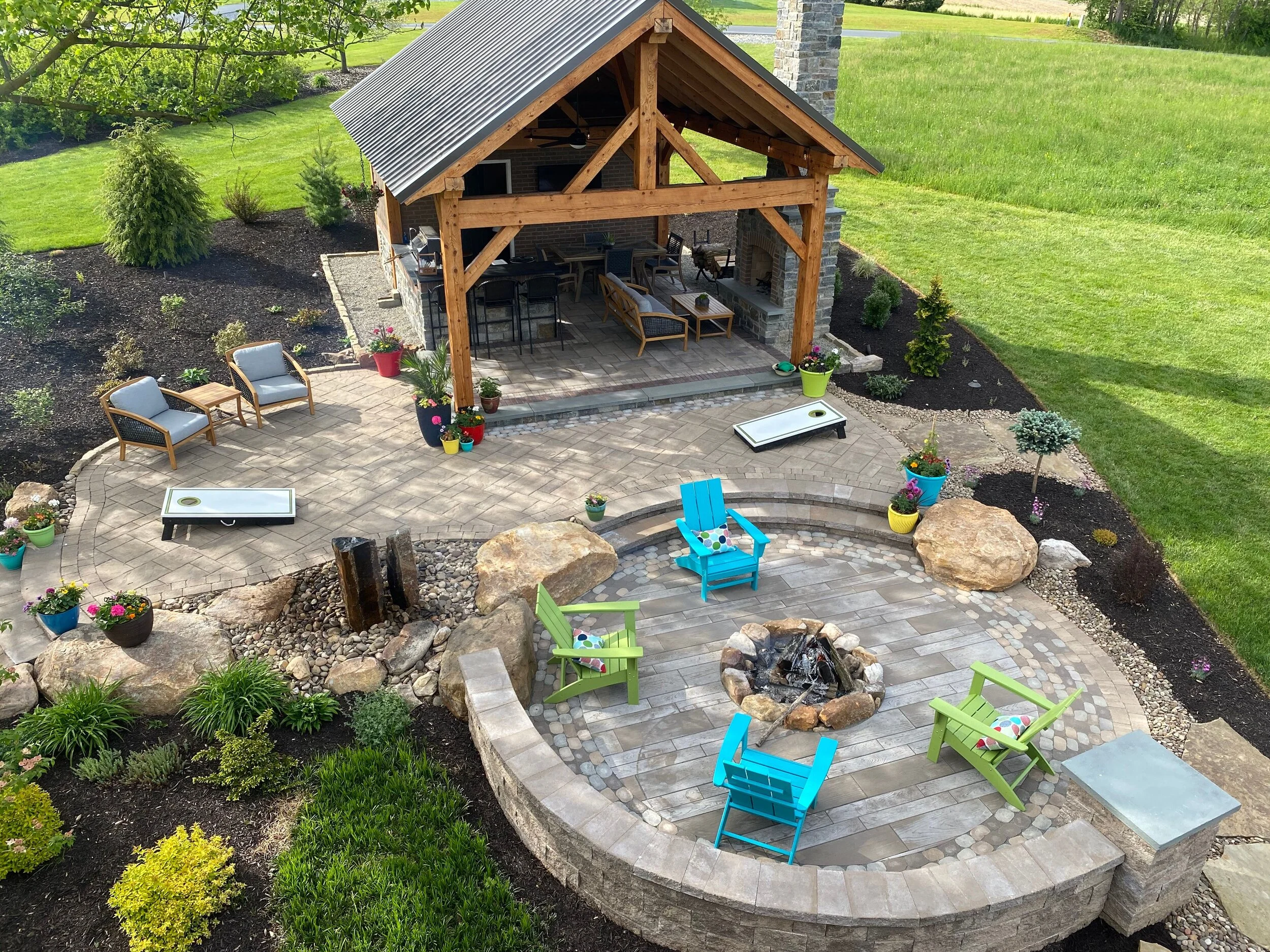
Why Activity Zones Need Reinforced Surfaces
Backyard activity zones are designed for movement—kids playing, pets running, gatherings, and everyday foot traffic. Without proper hardscaping, these areas wear down quickly, turning into muddy patches or uneven ground.
Hardscaping for backyard activity zones creates durable surfaces that support frequent use while protecting the surrounding landscape.
Common Problems in Unreinforced Activity Areas
When activity zones rely on grass or soil alone, damage shows up fast.
Common issues include:
- Worn or bare patches
- Compacted soil
- Mud after rain
- Uneven surfaces
- Encroaching wear into nearby landscaping
These problems limit how often the space can be used.
How Hardscaping Defines and Supports Activity Zones
Hardscaping introduces structure and stability where activity is highest. Instead of spreading wear across the yard, activity is concentrated where the surface is built to handle it.
Defined activity zones:
- Improve durability
- Keep use organized
- Reduce landscape damage
Structure makes spaces last longer.
Creating Safe, Level Surfaces for Movement
Activity zones require consistent footing. Hardscaping ensures surfaces remain level and stable, reducing trip hazards.
Safety-focused hardscaping:
- Eliminates uneven ground
- Improves traction
- Creates predictable movement paths
Safer zones encourage regular use.
Managing Drainage in High-Use Areas
Water quickly becomes a problem in activity zones. Hardscaping incorporates drainage planning so surfaces remain usable after rain.
Drainage-aware design:
- Prevents pooling
- Reduces erosion
- Keeps surfaces dry
Dry zones stay functional longer.
Separating Activity From Relaxation Areas
Hardscaping helps clearly define where activity happens and where it doesn’t. This separation protects quieter spaces from wear.
Clear boundaries:
- Preserve lawns and planting beds
- Improve overall yard organization
- Reduce maintenance
Defined zones improve balance.
Supporting Multi-Purpose Backyard Use
Activity zones often serve more than one purpose. Hardscaping creates flexible surfaces that adapt to changing needs.
Multi-use benefits include:
- Space for games or gatherings
- Easy furniture rearrangement
- Seasonal adaptability
Versatility adds long-term value.
Reducing Maintenance in High-Impact Areas
Grass-heavy activity zones require constant repair. Hardscaping significantly reduces upkeep.
Long-term benefits include:
- Less regrading
- Fewer lawn repairs
- Easier cleanup
Durability saves time and effort.
Blending Activity Zones With Landscape Design
Hardscaping doesn’t have to look harsh. Professional design integrates activity zones seamlessly into the yard.
Well-integrated zones:
- Complement surrounding landscaping
- Maintain visual appeal
- Keep the yard cohesive
Function and aesthetics work together.
Planning for Growth and Changing Needs
Backyard activity evolves over time. Hardscaping anticipates these changes so spaces remain useful.
Forward-thinking design:
- Supports future expansions
- Maintains consistent grading
- Protects adjacent areas
Preparation supports longevity.
Why Professional Hardscaping Makes the Difference
Activity zones demand precision and durability. DIY surfaces often fail due to poor base preparation or drainage.
Professional hardscaping provides:
- Proper excavation and compaction
- Accurate grading
- Long-term performance
Experience ensures activity zones last.

Is Your Backyard Built for Active Use?
If your backyard struggles with wear, mud, or uneven ground, hardscaping activity zones may be the solution. With professional design, activity areas can stay safe, durable, and ready for everyday use.
Contact Twelve Point Landscaping today to schedule a free estimate and explore hardscaping solutions designed to create backyard activity zones that hold up to real life.


find us on


