
Blog
Custom Landscape Design in Austin — What the Process Actually Looks Like
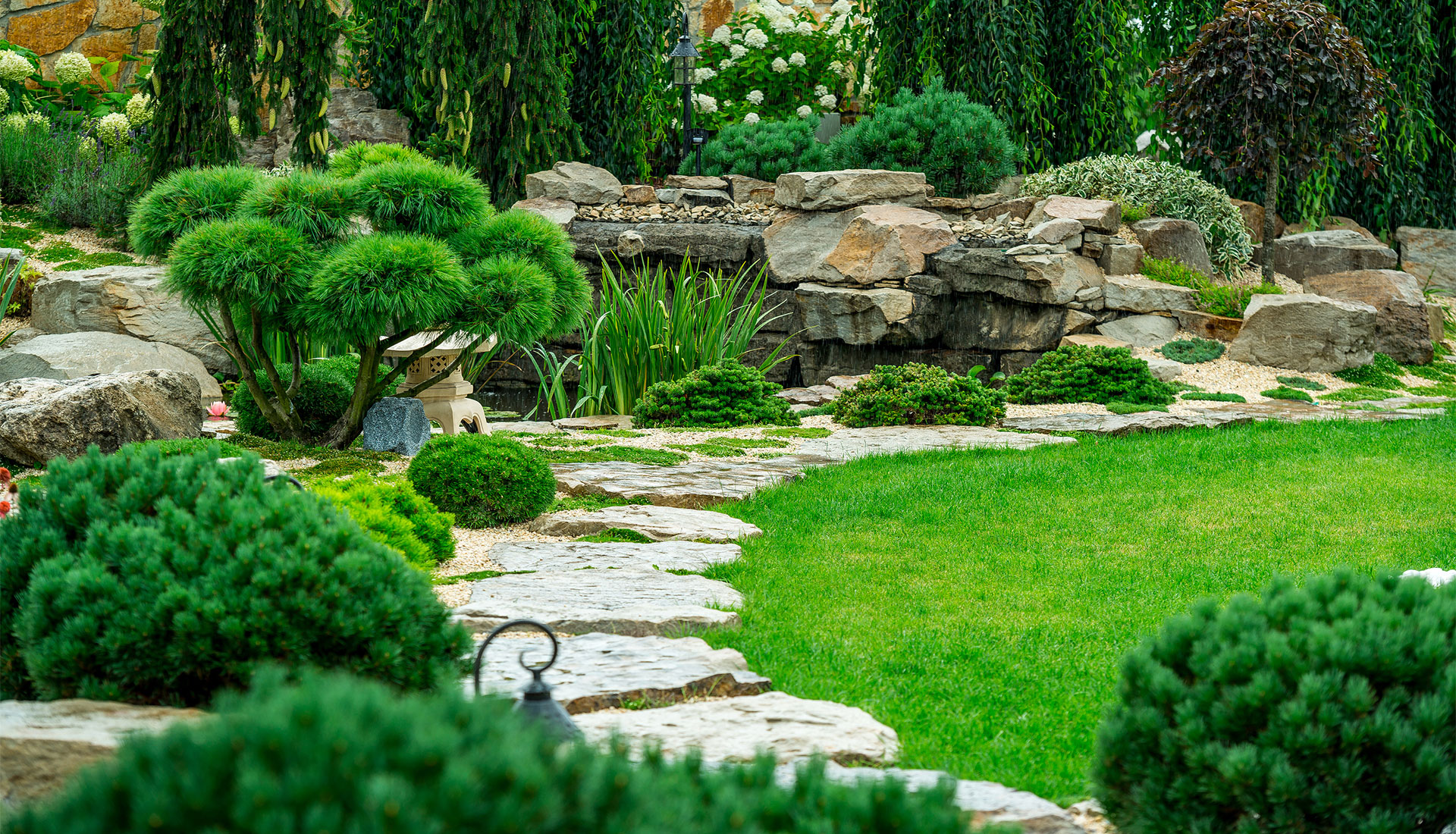
There's a big difference between a yard that was landscaped and a yard that was designed. When you walk into a space that was thoughtfully planned — where every plant, path, and feature feels intentional and cohesive — you feel it immediately. Nothing's competing. Nothing's out of place. Everything works together like it was always supposed to be there. That's what professional landscape design delivers, and it's something that's very difficult to achieve without a plan behind it.
At Twelve Point Landscaping, we create custom landscape designs for homeowners throughout Austin, Dripping Springs, Bee Cave, Lakeway, and Central Texas. Here's an honest look at what the landscape design process involves, why it matters, and what you can expect when you work with a professional design team.
What Landscape Design Actually Is
Landscape design is the planning phase of any outdoor project — the blueprint that guides everything that gets built or installed. A good landscape design takes your property's specific characteristics, your style preferences, your lifestyle needs, and your budget into account and produces a plan that balances aesthetics with function.
A professional landscape design typically includes:
A detailed layout of the outdoor space showing where all elements will be placed. Plant selection tailored to your property's sun exposure, soil conditions, and your maintenance preferences. Hardscaping elements — patios, walkways, walls, and other features — positioned and sized correctly within the overall design. Consideration of drainage, grading, and other site-specific factors that affect how the finished space will perform. A cohesive visual concept that ties all elements together into a unified outdoor space.
Without a design, landscaping projects tend to grow organically in ways that don't always work. A plant gets added here, a feature gets added there, and over time the yard ends up feeling random and disconnected. Design is what prevents that and gives your outdoor space a clear, intentional identity.
Why Landscape Design Is Especially Important in Austin
Austin yards come with a specific set of challenges and opportunities that make thoughtful design more important here than in many other regions. The climate demands plant selections that can handle heat and drought. The terrain — particularly in and around the Hill Country — often involves slopes, rocky soil, and drainage challenges that need to be designed around, not ignored. And the outdoor lifestyle that defines Austin living means yards here are actually used, which puts real demands on how they're laid out and built.
A landscape design that accounts for all of these factors produces an outdoor space that doesn't just look good on the day it's installed — it performs well over time, ages gracefully, and requires less intervention to keep it looking the way it was intended.
What the Landscape Design Process Looks Like
At Twelve Point Landscaping, our design process is built around understanding your goals first and designing second. Here's how it typically unfolds:
Initial Consultation — We start with a conversation about what you want from your outdoor space. How do you use your yard? What do you love about it and what frustrates you? Do you have a style in mind — natural and organic, clean and modern, something in between? This conversation gives us the context we need to design something that actually fits your life.
Site Assessment — We visit your property and walk every area that will be part of the project. We assess sun exposure, soil conditions, drainage, existing features, and any challenges the site presents. Measurements are taken and documented. This step is critical — a design that doesn't account for what's actually happening on your property will always fall short.
Design Development — Based on the consultation and site assessment, we develop a design plan that addresses your goals, works with your site conditions, and fits within your budget. For larger projects, this includes a full layout with plant placement, hardscaping positions, and material specifications.
Design Presentation — We walk you through the design, explain the reasoning behind each decision, and give you the opportunity to ask questions, provide feedback, and request adjustments. The goal is for you to fully understand and be excited about what's going to be built before any work begins.
Installation — Once the design is approved, we move into installation. Having a clear plan in place means the installation phase runs efficiently and produces results that match what was designed.
Elements of a Strong Austin Landscape Design
Good landscape design in Central Texas isn't just about picking pretty plants and placing them attractively. It's about building an outdoor space that works for the long term. Here are the elements that make the biggest difference:
Proper Plant Placement — Plants should be placed based on their mature size, sun requirements, water needs, and how they interact with neighboring plants and structures. Planting without accounting for these factors leads to crowding, competition, and eventual failure.
Layering and Visual Depth — A well-designed landscape uses plants of varying heights, textures, and colors to create visual depth and interest. Taller plants and shrubs create a backdrop. Mid-height plants fill in the middle layer. Low-growing ground covers and perennials anchor the front of beds. This layered approach is what makes a landscape look professionally designed rather than randomly assembled.
Seasonal Interest — A strong Austin landscape design includes plants that provide interest in every season. Spring bloomers, summer performers, fall color, and winter evergreen structure should all be represented so the yard looks good year-round.
Drainage and Grading — Any design that doesn't account for how water moves through the property is incomplete. Proper grading directs water away from structures and prevents standing water in low spots. This is especially important in Central Texas, where heavy rain events can be intense.
Hardscaping Integration — Patios, walkways, walls, and other hardscaping elements should be incorporated into the landscape design from the beginning, not added as afterthoughts. When hardscaping and softscaping are designed together, the result is a cohesive outdoor space where everything works in harmony.
Common Landscape Design Mistakes to Avoid
Even well-intentioned homeowners can fall into design traps that undermine the finished result. Here are the most common ones:
Designing without accounting for mature plant size. A landscape that looks perfectly spaced at installation can become overcrowded within a few years if mature sizes weren't considered. Ignoring the site's microclimates. Different areas of your yard have different sun exposure, wind patterns, and moisture levels. A design that treats the entire yard as one uniform environment will produce uneven results. Prioritizing aesthetics over function. A beautiful design that doesn't account for how you actually use your yard — or that creates maintenance demands beyond what you're willing to manage — will eventually become a source of frustration. Skipping the plan and going straight to installation. This is the most common mistake, and the one that produces the most inconsistent results. A little upfront planning saves significant time, money, and disappointment later.

If you're ready to build an outdoor space that's cohesive, functional, and genuinely designed for your property and your lifestyle, Twelve Point Landscaping is ready to help. We serve homeowners throughout Austin, Dripping Springs, Bee Cave, Lakeway, and Central Texas with professional landscape design and installation that's built to last.
Reach out for a free estimate and let's start planning your outdoor space.



find us on


